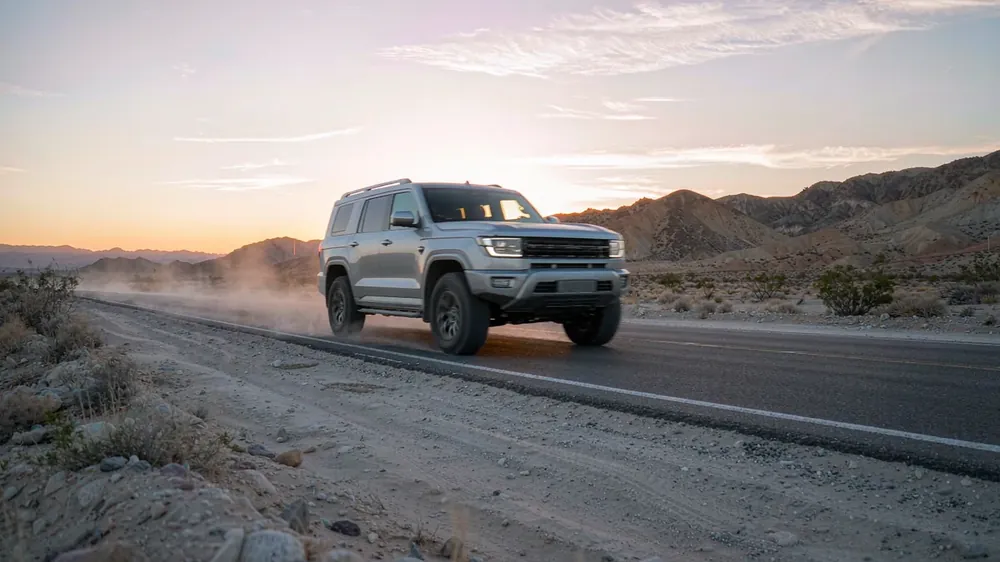
Key takeaway: For importers targeting long-haul and remote markets, the range-extender SUV is the real answer, not a bigger battery: where charging is uneven, pure-EV anxiety turns buyers away, while a range-extender uses a small engine to generate power, running on fuel or electric and cutting the 'no plug found' risk to near zero. Seeing that beats fixating on EV range numbers.
Data contrast: in July 2026 China had 23.68 million charge points and county coverage hit 98.61%,看起来 dense, yet deserts, plateaus and cross-border roads stay sparse, with public guns averaging 49.97 kW and peak queues common. For Russia, Central Asia and parts of Latin America, the range-extender is peace of mind.
Run the math: a range-extender SUV often reaches over 1,000 km combined, needing no en-route plug; versus a pure EV rerouting for a weak plug, the saved downtime and tow risk are worth about 3,000 to 8,000 yuan per unit. For operators and long-haul buyers that is a real total-cost edge.
Spec points: check engine thermal efficiency, electric-only range (aim 150 km+ for daily commute) and tank size; also confirm the destination's emission and noise certification class for EREV so it is not taxed as a fuel car. Importers should long-test a full tank plus charge and log mileage.
Do three things: request the range-extender thermal efficiency and EV-range report; check the destination's EREV classification and tax rate; map tank and battery mix to the market's roads and plugs. Make certification class a pre-order item; do not wait for customs to tax it as fuel.
Message us on WhatsApp for the latest prices and delivery to your country.
WhatsApp us