China export policy, destination-country import rules, new car launches and technology — stay ahead.
What to do, how long, how much
Problem-first guides: vehicle selection, certification, duties, logistics, payment and aftersales — what to do, how long it takes, what it costs and where others went wrong.
Import/export, tariffs, and more
Import-export policies, tariff changes and compliance regulations across automotive markets.
New models from mainstream brands
Latest model launches and market debuts from Chery, Geely, BYD, Haval and other major brands.
Industry technology trends
Frontier developments in EV batteries, smart driving and export logistics.
Sales rankings and export data
China passenger-car export rankings, monthly shipment data and overseas demand insights.
EZ Auto corporate news & latest updates
EZ Auto company updates, trade-show presence and service upgrades.

Method yes, authority no. Service standards, fault diagnosis, lifting and disassembly, torque values and PDI can be taught; flashing, immobiliser matching and OTA belong to the OEM. Why the authorised label cannot be self-applied, and why data export starts with what you send.
→ Read
The hard part is not the repair but finding a licensed workshop and waiting for dedicated parts. Kenya requires a KG licence, Ghana a DV licence, and Zambia has no rule we could find; how to split universal from dedicated parts, and why after-sales is already part of the export licence.
→ Read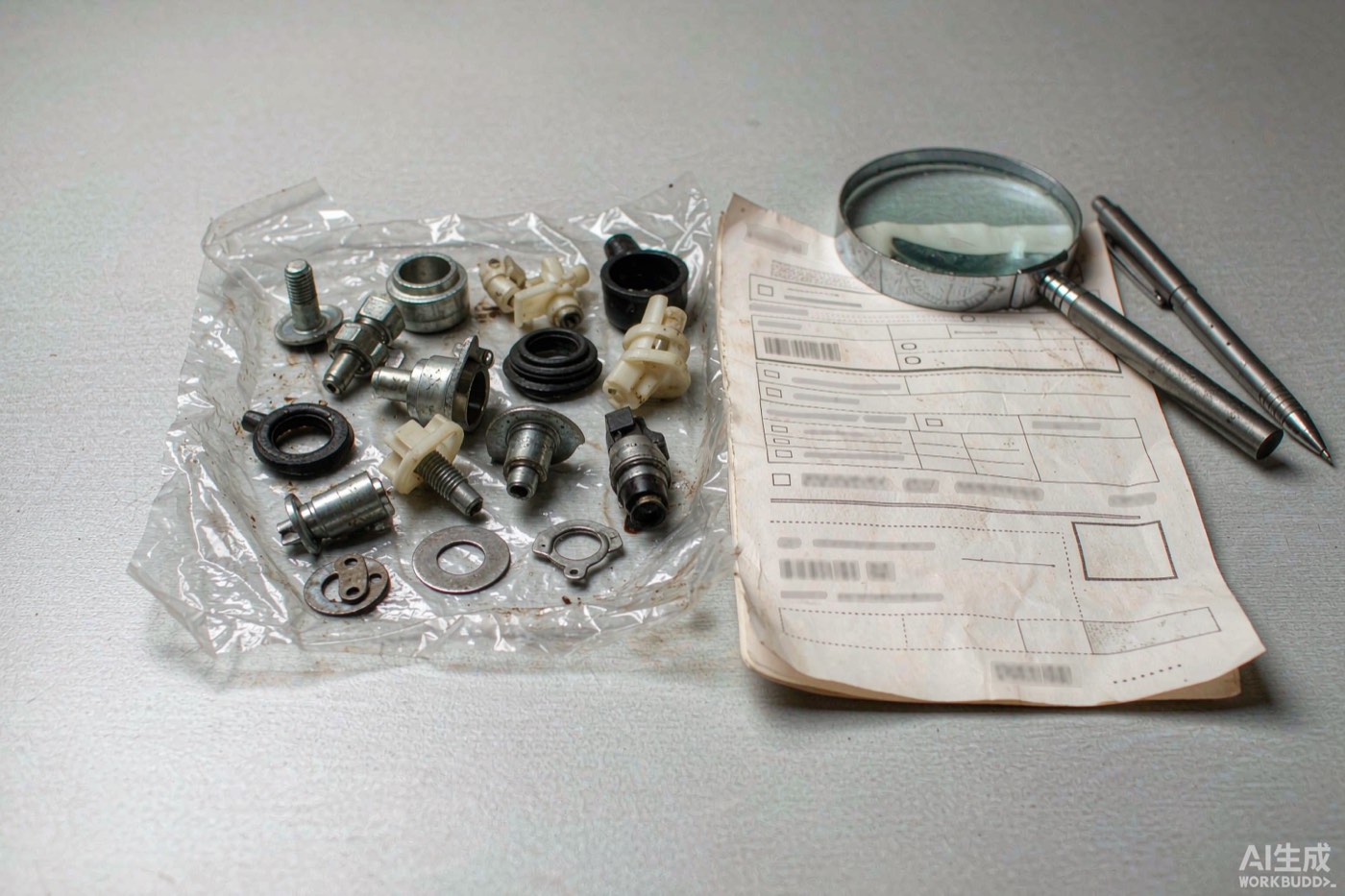
An exchange rate is not a market question but a sharing question. Only three wordings work: fixed rate, band, or a split outside the band. On the China side the real-exposure test, not paperwork, decides whether a forward is available; in Nigeria the customs rate is fixed on the Form M date, Ghana puts the contract on the payment document list, and Kenya requires records above US$10,000.
→ Read
A contract is not a filled-in template. The CISG does not apply automatically in Nigeria, Kenya, Ghana, Tanzania or Senegal, and saying "Chinese law" does not exclude it. Incoterms need the 2020 version, FOB, CFR and CIF all pass risk on board, an arbitration clause needs three elements, and an extension clause needs a trigger, days and evidence.
→ Read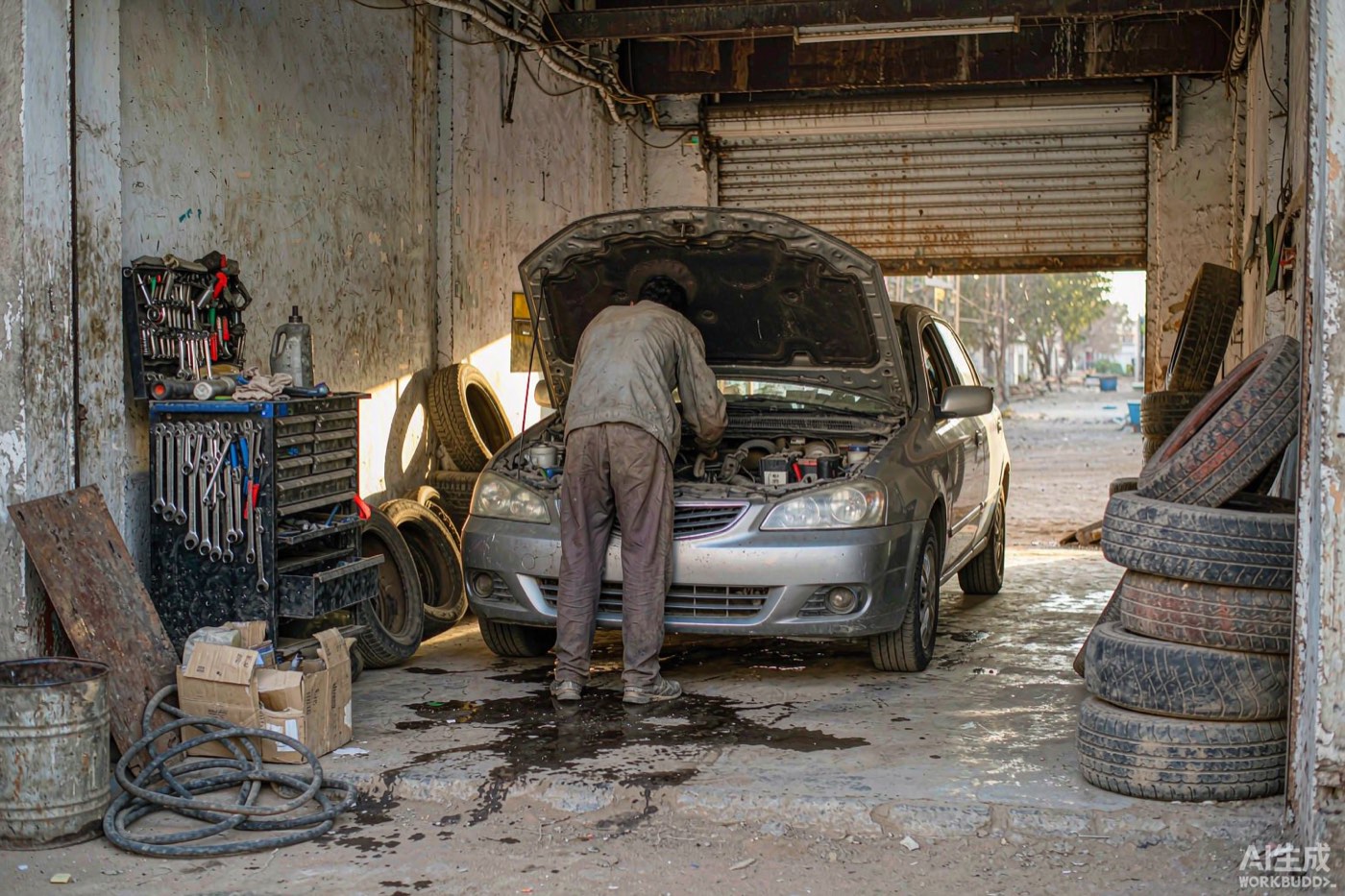
Registration is not the last step; it is the acceptance check on duty, admission and local inspection. Ghana's DVLA, Kenya's NTSA/TIMS, Nigeria's FRSC and Tanzania's TRA with TBS each run their own counter. Senegal is DTT/DRTT, not ANAT.
→ Read
The Chinese three-guarantee rule covers domestic sales only, so exports fall outside it. The term is just the headline; cost is decided by three lists: covered, excluded and who decides. In Kenya and Nigeria statutory guarantees can void an AS IS clause, and Ghana has no consumer protection act.
→ Read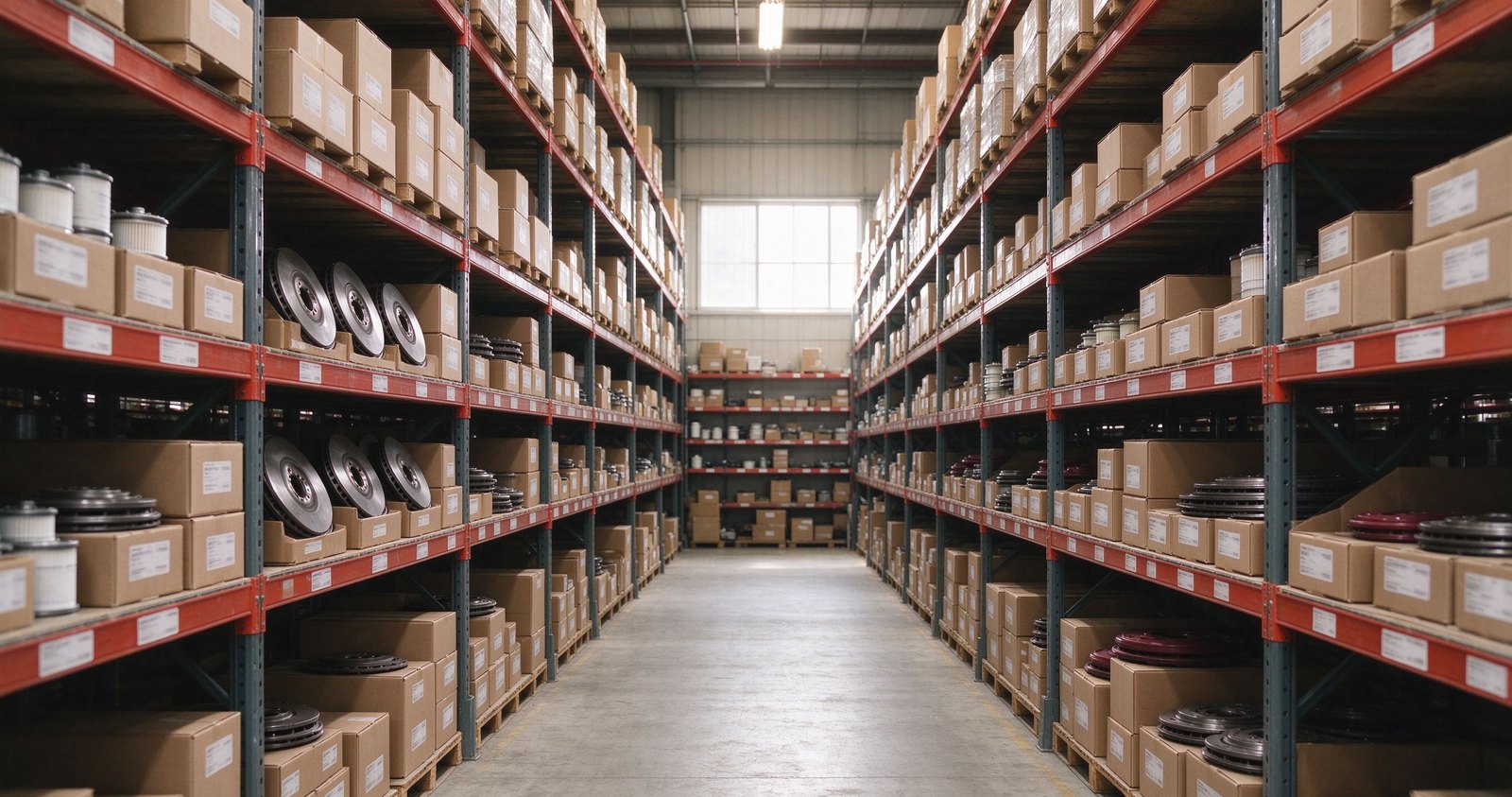
Export inspection runs on WM/T 8-2022 and WM/T 9-2022 and produces a third-party report. That report proves condition, not admission. What to read in five items, and why Kenya, Tanzania, Ghana and Saudi Arabia accept different documents.
→ Read
Under UCP600 banks handle documents, not goods, and a soft clause turns the payment undertaking into a conditional one. Nigeria's Form M, Ghana's three matching documents and China's list registration all come before the instrument.
→ Read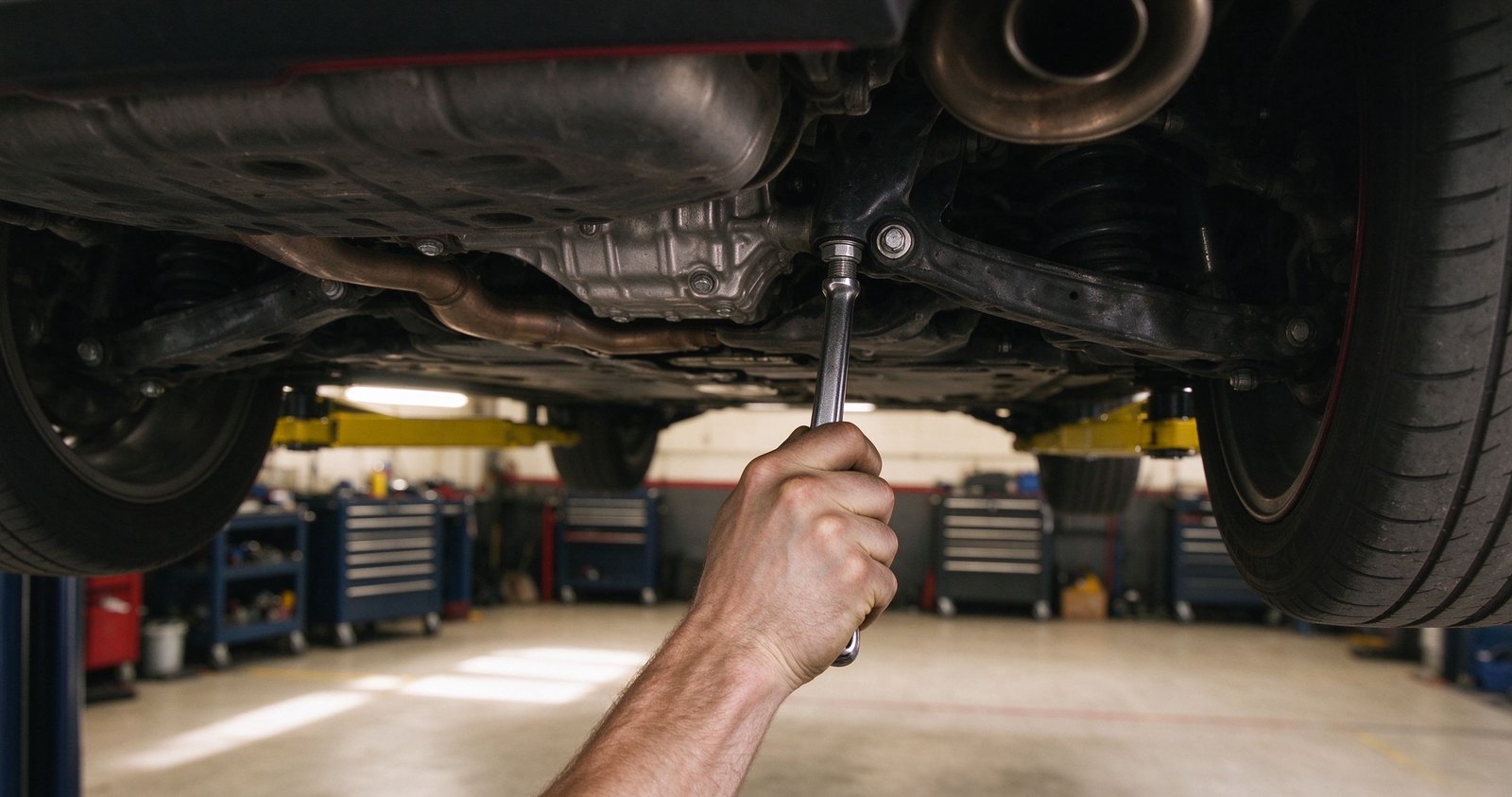
Tax, connector and battery shipping are three separate gates. Ghana's waiver is targeted, Nigeria's hybrid treatment is disputed, and there is no 30% state-of-charge rule at sea.
→ Read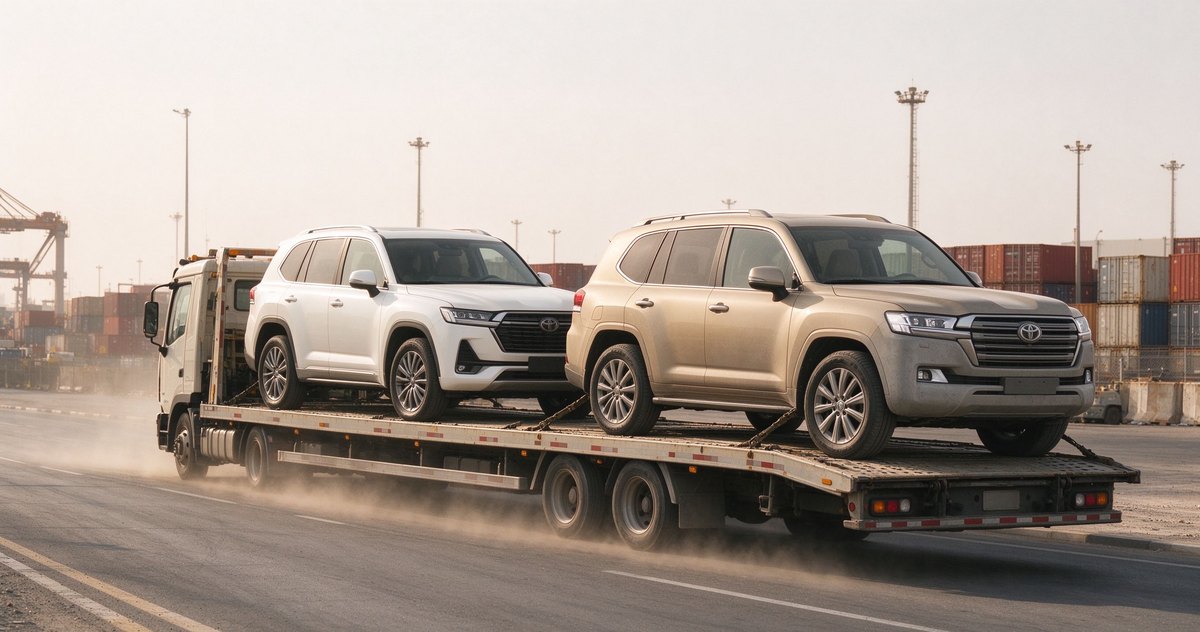
8703 or 8704 turns on design features, not on a cargo box. The EU measures load-floor length against wheelbase; China compares passenger weight with payload. Get the heading wrong and the duty band is wrong too.
→ Read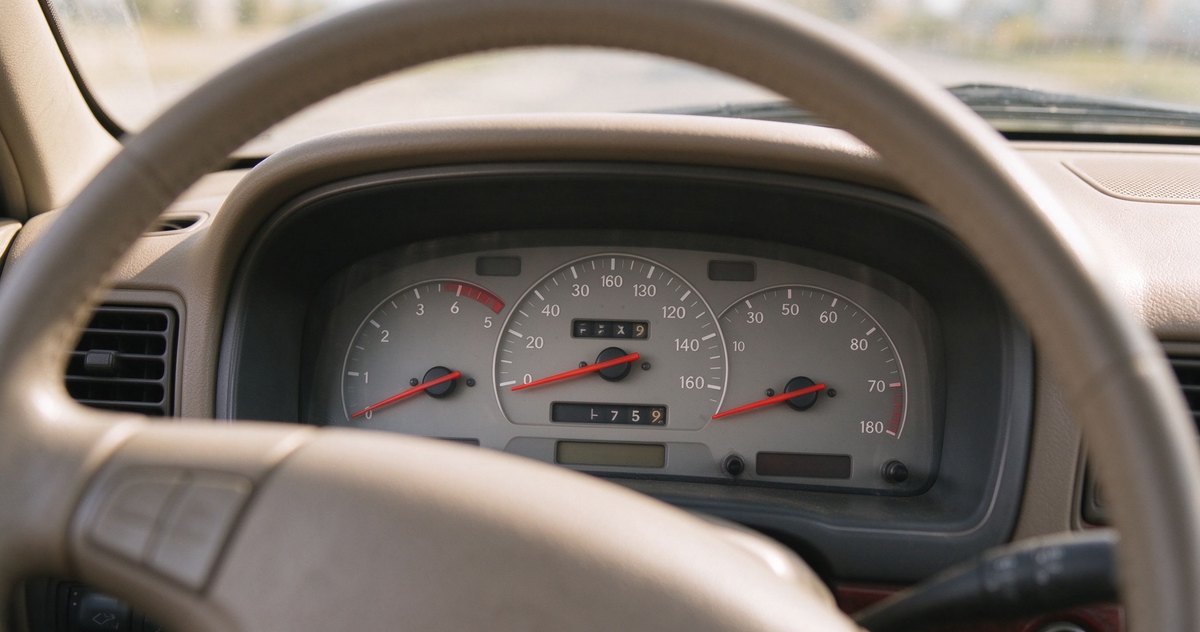
Age decides admission, tax band and residual at once, and when the three disagree you compare the total. Country-by-country limits, consequences and sources in one table; Nigeria and Ghana only on written confirmation.
→ Read
Sourcing is verified, not asked for: ask for the export specification sheet, then check type-approval parameters and the documents that travel with the car. A model-name dictionary settles translation, not availability.
→ ReadThis is where we publish what we learn on the ground as a Chinese vehicle exporter: how import rules change in the markets we ship to, which models are actually moving, and what those changes mean for the price and delivery time of the car you are about to buy. It is written for buyers and dealers outside China, not for the domestic market.
We follow rule changes across Russia, Belarus, Central Asia, the Caucasus, South America, Africa, Southeast Asia and the Middle East - the same corridors we ship on. When a country adjusts an age limit, a tariff band or a certification requirement, we write it down here so you can check it before you commit to an order.
On working days. We track auto-industry headlines, export-policy changes and market developments continuously.
We cite public sources and mark them. Policies and duty rates change - please rely on the destination customs authority and regulator's rules in force at the time.
Leave a message on the page, or contact us on WhatsApp or Telegram with the region you follow, and we will share relevant updates for that region.
This section is reference information only and does not constitute a quotation. Vehicle prices and delivery terms are governed by the signed contract.
This article is published by EZ Auto. EZ Auto (Cheyixing Automobile Import & Export) specializes in exporting Chinese vehicles — new, used and parts — serving Russia and Belarus, the five Central Asian countries, the three South Caucasus countries, Latin America, Africa, the Middle East, Eastern Europe and Southeast Asia, with order-based sourcing, inspection with photo report, export documentation and ocean freight in one place.