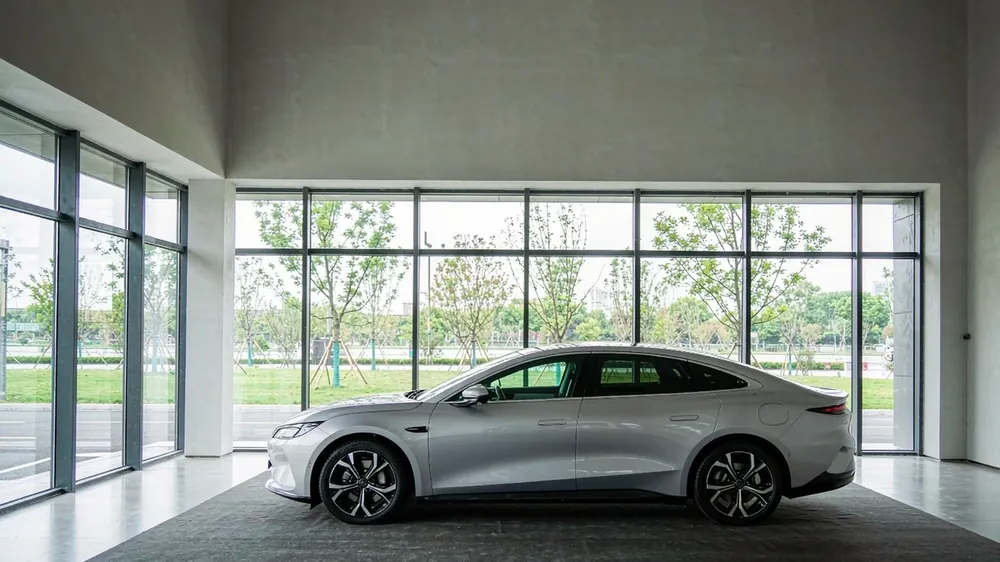
What matters here is the price gap, not the volume. The CS55 carries three price tags in Brazil: flex trims built in Anapolis from R$ 144,990, the Ultra plug-in shipped whole from China at R$ 189,990. That R$ 45,000 is 31% of the entry price, and it prices the import channel in the open.
Flex fuel is a localisation call, not marketing: Brazil has mature ethanol supply and thin charging outside big cities. With partner CAOA, Changan built the iDE-H architecture rather than porting its domestic plug-in: a 1.5-litre turbo flex unit takes petrol, ethanol or any blend for 286 hp and 470 Nm.
Two sets of numbers decide the case. The plug-in at R$ 189,990 sits R$ 45,000 above the R$ 144,990 flex trim: 31% more for 286 hp against 180, and 76 km of electric range against none. Flex trims skip the import channel; the plug-in clears customs whole and carries freight, duty and certification.
Three effects follow. The price is now public: a 286 hp ethanol-capable SUV anchors near USD 34,300 in Latin America, squeezing room for Japanese and Korean rivals. The channel splits too: whoever holds complete-vehicle supply from China does the plug-in first. And Brazil becomes the anchor for the region.
What to do: ask your supplier for the import classification code and certification list, local-condition battery and hybrid data, and the entity carrying the seven-year warranty. Build one landed-cost sheet with ex-works, freight, duty, certification and after-sales reserve. Then rank models by post-duty margin per unit, not by quoted price.
Message us on WhatsApp for the latest prices and delivery to your country.
WhatsApp us