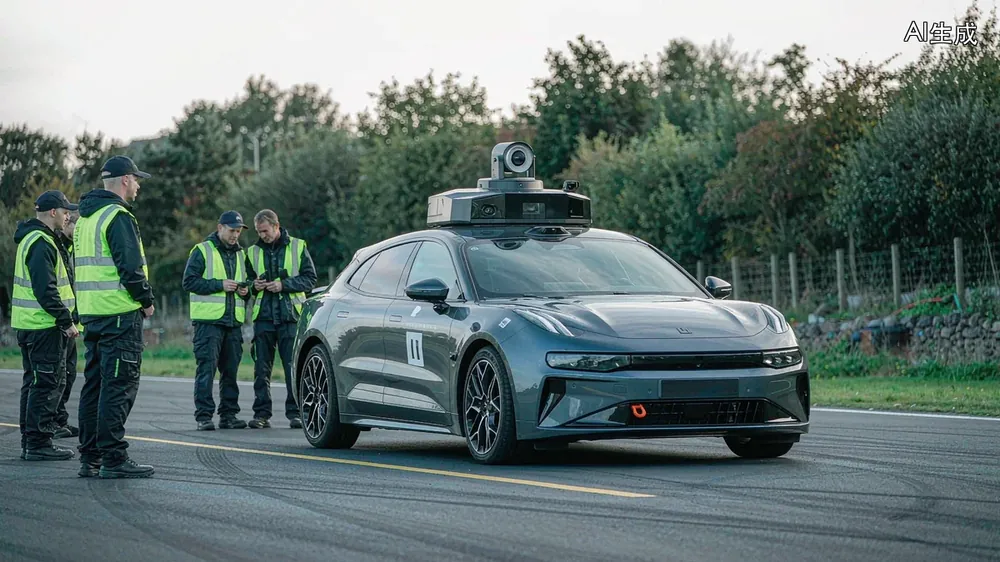
The bottom line: The easiest trap in importing cars with advanced driver assistance, often called L2+ or L3, is a car that drives in China but cannot be registered at destination. The root is regulation: under the UN WP.29 framework, R155 on cyber security management and R156 on software update management are already preconditions for new-car type approval in the EU, UK, Japan and South Korea, focused on auditable security and OTA processes, not just sensor counts.
For importers the key is not the spec-sheet sensors but whether the supplier can show type approval the destination recognizes, without which the smartest car fails.
That gives importers a choice: sell a certified basic-assist version in strict markets, keep more features where loose, but only if the contract states "features open by destination regulation".
Before ordering, check two items. First, get from the supplier the model's type-approval papers for the target country and confirm R155/R156 or local equivalent is listed, not just a "global" label. Second, write in the contract that features open by destination regulation and name the liability and refund boundary for uncertified features cut at port. Send the model and country to cost ADAS admission and timing. Local L3 type-approval can add $2,000 to $5,000 per variant before sale. The cost gap from uncertified features being disabled at port can reach 2,000 to 5,000 dollars per unit. The extra cost from uncertified features disabled at port can reach 5% to 12% of the vehicle price.
Message us on WhatsApp for the latest prices and delivery to your country.
WhatsApp us