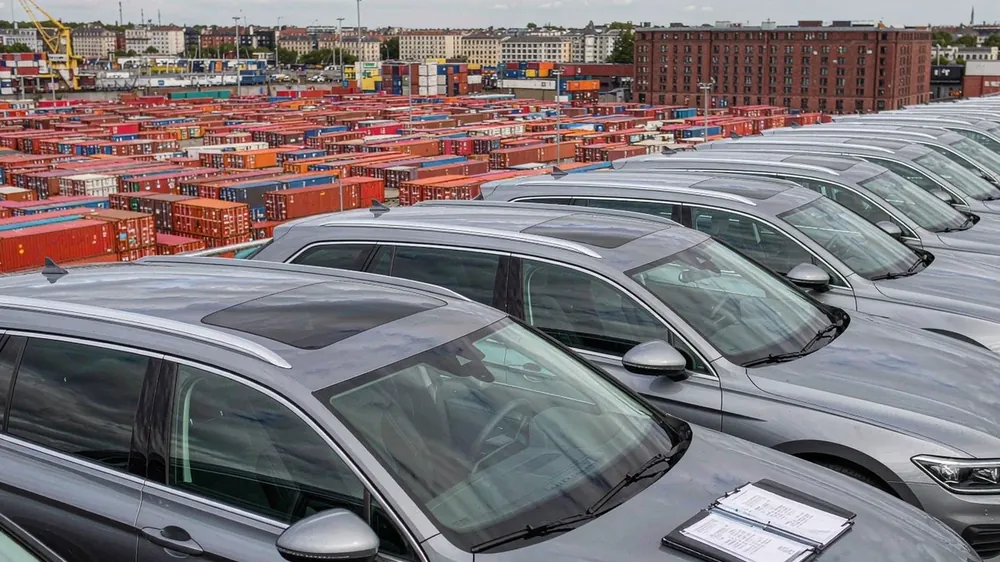
Canada has shifted Chinese EV access from a blanket tariff to a quota release. For importers, this means the window is only about 12 months, and the quota is a hard cap—dealers who secure quota first have cars to sell, while those further back in line can only wait for the next round. The second quota releases 33,397 vehicles at once, subject to a 6.1% tariff, whereas the previous 100% surtax almost completely shut Chinese EVs out. The real opportunity is not in the tariff rate, but in who can get on the list and, once quota is secured, which models are most cost-effective to allocate it to. The quota is not a universal policy but a filter: documents first, then quota, and only then sales.
The formation of this mechanism is traceable. In 2024, Canada followed the US in imposing a 100% surtax on Chinese EVs, and within two years the market was almost wiped out, but local dealers' procurement costs were driven up, and grey channels became more active instead. Ottawa then switched to quota management: setting an annual total, allocating by application, and imposing a 6.1% most-favored-nation tariff on those who obtain quota. The first quota was absorbed by existing dealers within weeks, because they already held Canada Motor Vehicle Safety Standards (CMVSS) certification documents, while new entrants had to figure out the application window from scratch. The quota turned political controversy into a queuing problem, but the ticket to the queue is certification and exporter registration, both of which require months of preparation in advance.
A calculation makes it clearer. An electric SUV with an FOB price of $25,000 incurs a 6.1% tariff of about $1,525; adding ocean freight of about $1,800 and inland transport and customs clearance of about $600, the landed cost comes to roughly $28,900. Under a 100% surtax, the tax alone would add another $25,000, pushing the landed cost directly above $50,000, making it unsellable at retail. The quota changes the question from "can it be sold" to "which model is more cost-effective to allocate quota to": with the same 500-vehicle quota, whether it is concentrated on high-trim, high-margin models or volume models can mean a difference in annual profit of a million dollars. This calculation must be completed before applying for quota.
The direct impact on importers is threefold. First, the quota is an annual total and is gone once used, so models and shipping schedules must be locked in a quarter in advance; last-minute additions are almost impossible. Second, CMVSS certification and exporter registration are hard thresholds—missing one document means being stuck, and certification cycles are typically measured in months, so if you miss it, you can only defer to the next period. Third, quota scarcity will drive up secondary transfer prices; if you do not apply yourself but buy quota from others, the actual comprehensive cost may be several percentage points higher than the nominal 6.1%, effectively giving back part of the tariff benefit. What really separates importers is not the quote, but who aligns these three things in the same quarter. Quotas are released in batches by quarter; missing one application window usually means waiting for the next opening, and showrooms cannot sit empty, so the cash flow difference between two periods will be magnified.
Specific action recommendations: request three documents from suppliers—a progress statement on Canadian market access certification, the exporter registration number, and a complete configuration list for the target model; track quota balances and release pace monthly, and do not wait until quota is nearly exhausted to act; break down the 6.1% tariff, ocean freight, inland freight, and certification costs into a landed cost table, with a separate column for exchange rates, updated quarterly. If the same batch of quota is to be allocated between two models, rank by "after-tax gross profit per vehicle × allocable units," not by quote level. To confirm the landed cost and certification cycle for a specific model under the current quota, quota application and certification submission can proceed in parallel; the party that submits first is usually earlier in the allocation order. Provide a VIN or configuration list, and after item-by-item calculation, an executable timetable can be given.
Message us on WhatsApp for the latest prices and delivery to your country.
WhatsApp us