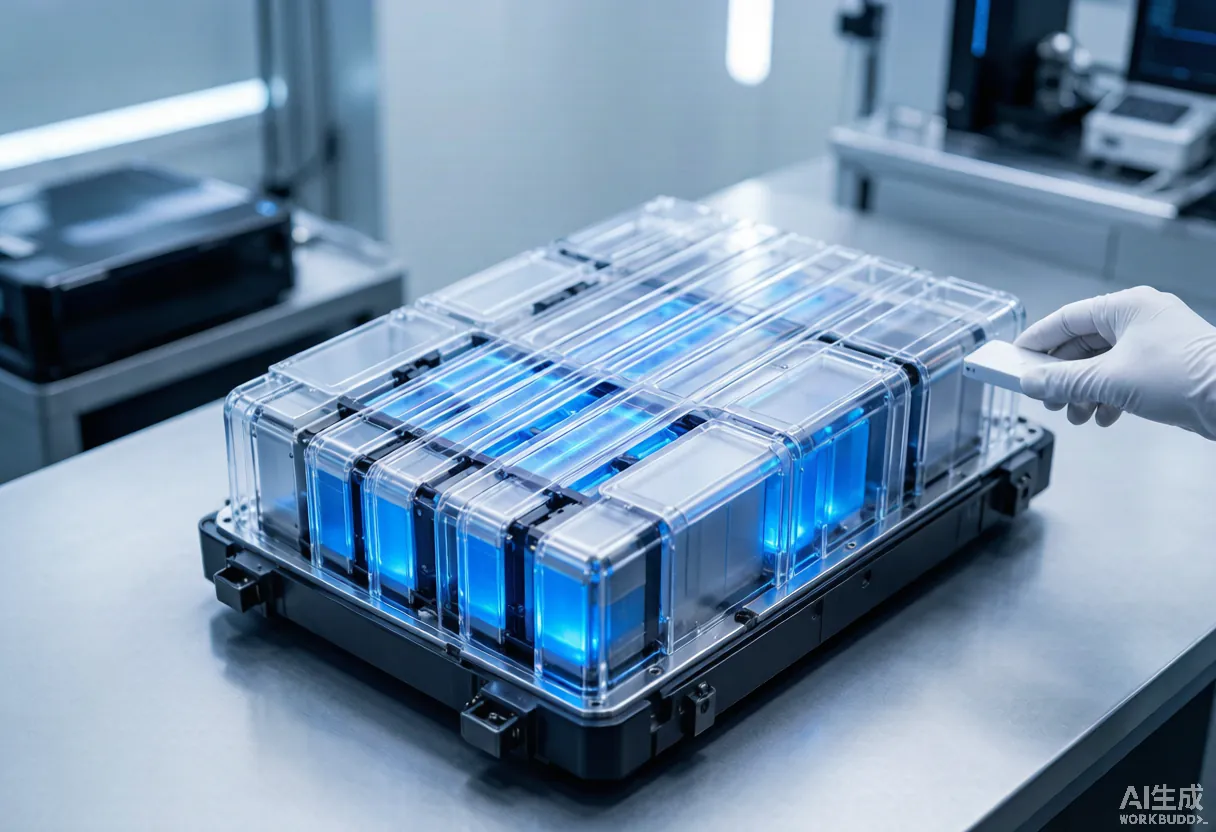
2026 is being called the "Year One of Mass-Produced Semi-Solid-State Batteries." On July 1, the new national standard for power batteries, GB/T 43568-2026, officially took effect, classifying batteries by electrolyte type for the first time into three categories — liquid, hybrid solid-liquid, and solid — providing a unified benchmark and certification basis for putting semi-solid-state batteries into vehicles. Looking at the technology trajectory, conventional liquid lithium batteries are approaching the physical limits of energy density, while chronic shortcomings such as thermal runaway and low-temperature degradation have proven difficult to fully resolve, prompting the industry to turn toward the solid-state route, which offers better safety and higher energy density. Since fully solid-state batteries are not yet mature in terms of manufacturing process and cost, semi-solid-state has become the transitional solution landing in production first. For export business, the significance of this national standard lies in the fact that "solid-state battery" was once more of a marketing phrase; today it has become a mature product form that is quantifiable, testable, and recognizable by destination-country certification bodies. For the first time, Chinese battery and vehicle makers have a unified technical language for quoting and applying for certification abroad, and overseas buyers now have comparable, objective metrics to evaluate.
Production progress is clearly accelerating. CATL plans to start batch supply of its condensed-matter semi-solid-state battery in Q3 2026, debuting first in premium models such as the NIO ET9. QingTao Energy's Phase I 10GWh production line in Kunshan has come online — the world's largest vehicle-grade solid-state battery industrial park — and is already supplying the Zhiji L6 Light Year Edition (CLTC range 1,002 km) and the SAIC MG4 series in volume. Dongfeng, GAC Aion's Hyper brand and others are also preparing 350–400Wh/kg semi-solid-state batteries for installation within the year. Overseas, Toyota, Samsung SDI and others are still focusing primarily on fully solid-state, generally targeting small-batch production in 2027 and mass production in 2030 — which means Chinese companies hold a clear lead on the semi-solid transitional route. This translates directly into a time advantage for exports: while overseas competitors are still in the lab stage, Chinese semi-solid models are already being delivered in volume, certified, and launched in destination markets.
By the numbers, mass-produced semi-solid-state batteries now commonly reach 350–400Wh/kg, roughly 40%–60% higher than conventional ternary lithium batteries (around 250Wh/kg). The industry estimates that 600,000–700,000 vehicles will be equipped with semi-solid-state batteries in 2026. The safety improvements are equally notable: the semi-solid electrolyte significantly reduces the probability of thermal runaway, and performance in extreme condition tests such as high-temperature nail penetration and overcharging is better than liquid batteries. Low-temperature degradation is also reduced — in real-world testing, range retention in cold environments is clearly better than with conventional ternary lithium. On the cost side, "entry-level" semi-solid models have already appeared at around RMB 90,000 (such as the MG4X), showing the technology is moving rapidly from flagship models down into mainstream price brackets. As production lines ramp up and economies of scale take hold, the price gap between semi-solid and liquid batteries is expected to narrow further, and penetration could outpace most expectations.
For export buyers, these changes translate into three direct benefits: longer range (more distance from the same battery volume), greater safety margin (lower thermal-runaway risk, especially suited to high-temperature regions such as the Middle East and Africa), and steadier extreme-cold performance (less low-temperature degradation, suited to Russia and other high-latitude markets). Notably, certification bodies in destination countries are becoming more receptive to new battery technologies. Models that already have certification in place tend to enjoy a first-mover advantage over older models and find it easier to win the trust of local consumers. Conversely, if a target market still has a certification gap for new battery types, buyers need to budget for a longer market-access lead time — a variable that must be assessed before placing an order.
EZ Auto can screen Chinese models that already carry, or plan to carry, semi-solid-state batteries, and provide a compliant vehicle list and landed-cost estimates tailored to your target market's certification requirements. Contact us on WhatsApp and tell us your target country and model preferences, and we will match accordingly.
Source: CATL / QingTao
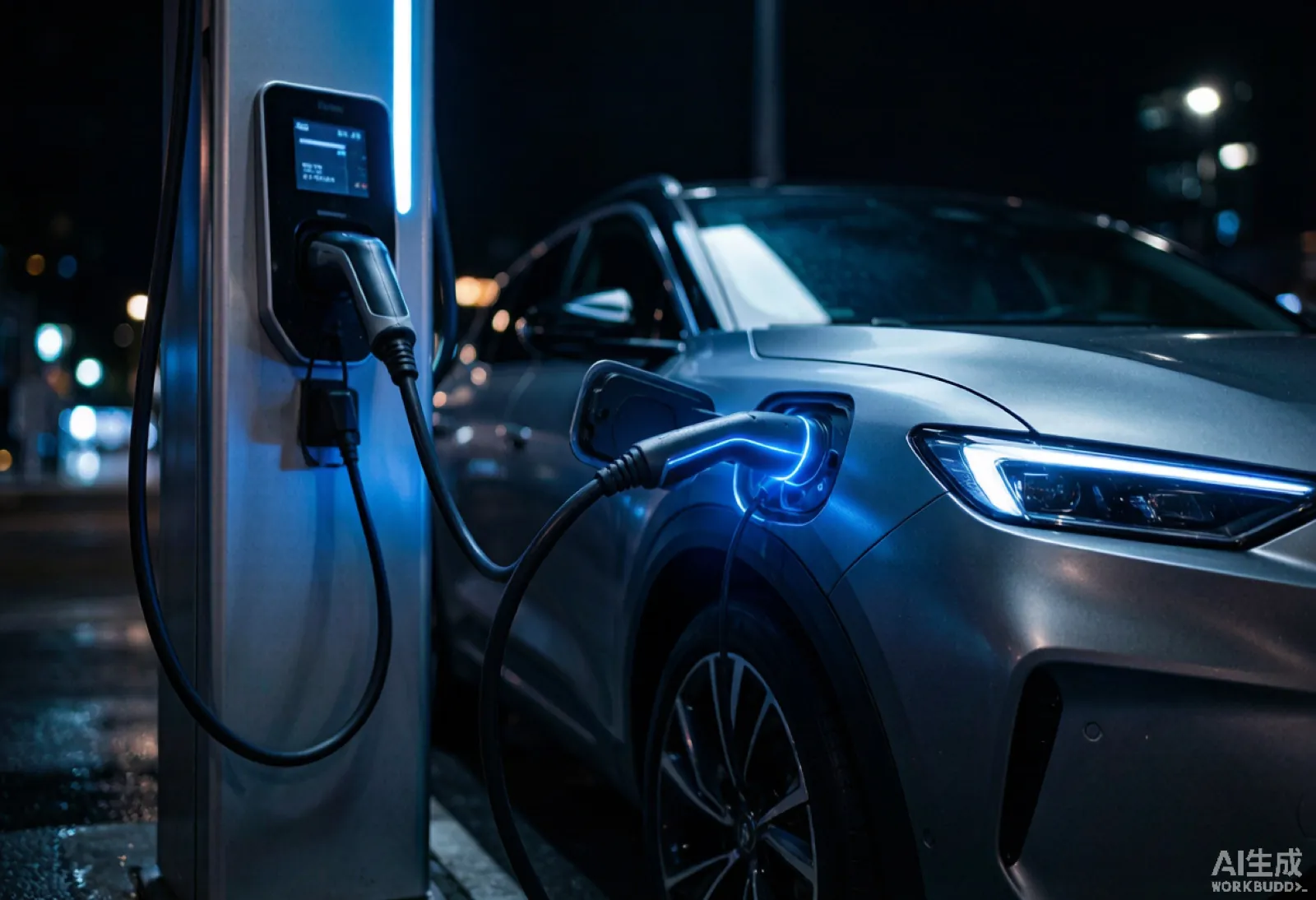
On August 1, Dongfeng eπ unveiled its "Future Wing" strategy and announced the world's first ultra-kilovolt high-voltage architecture, raising the voltage platform to 1200V with 12C peak fast charging — one second of charging adds 2.5 km of range; its self-developed solid-state battery enters vehicles in 2026 with an energy density of 350Wh/kg.
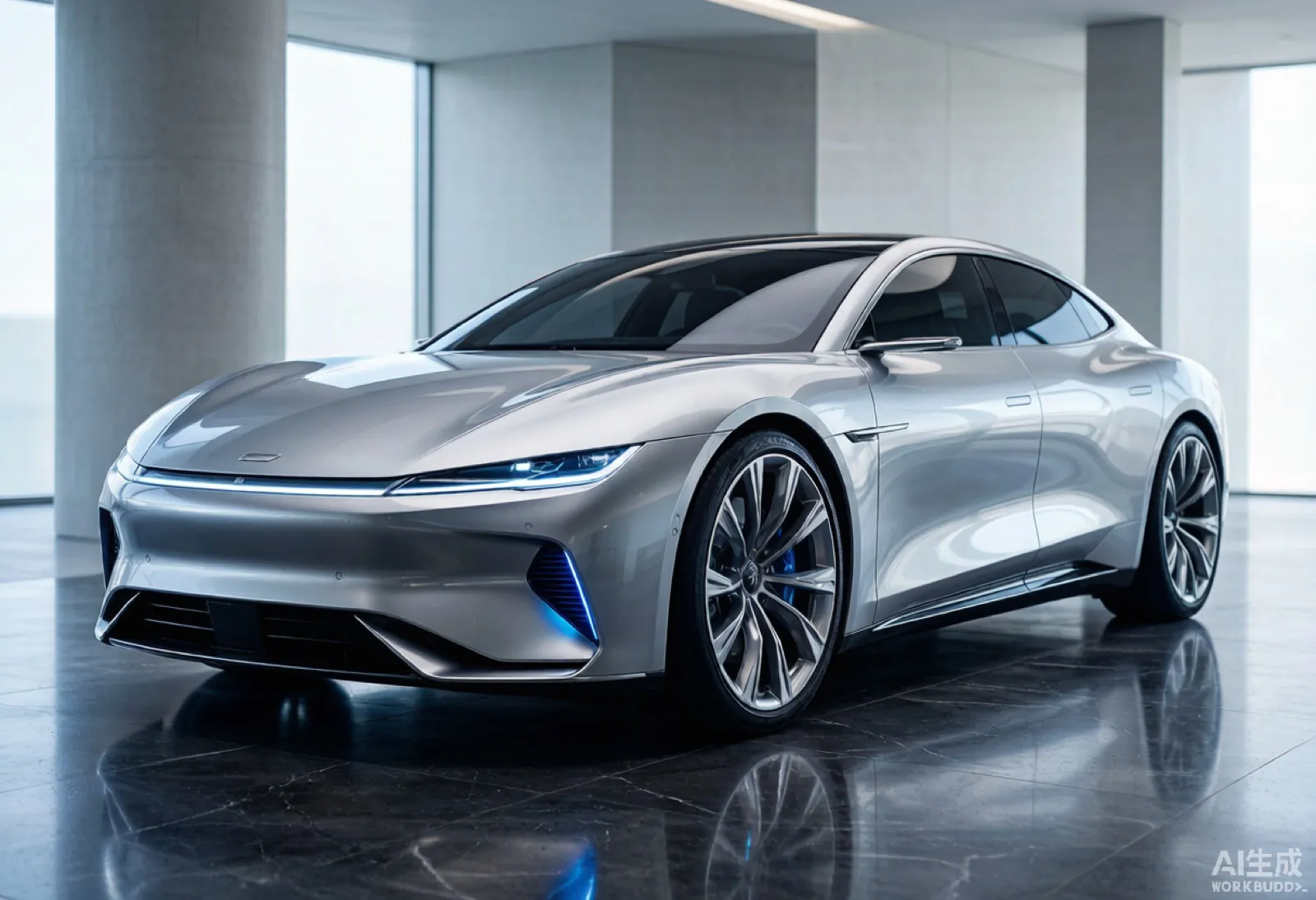
On August 3, the Denza Z9S opened pre-sales with a 102.3 kWh second-generation Blade battery and up to 1,100 km of CLTC range — a new global record for production pure-electric sedans and the first time the LFP route has broken the 1,000-km barrier.
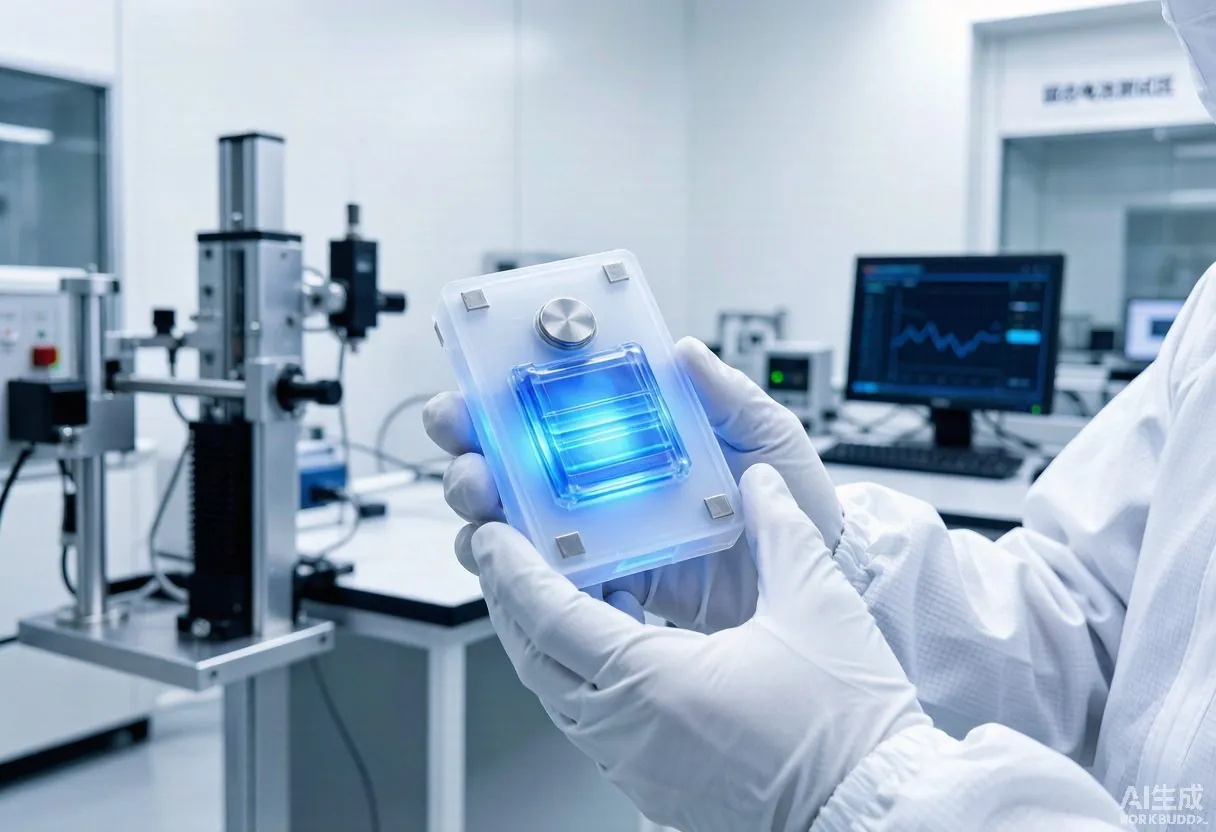
Greater Bay Technology's 40Ah all-solid-state cell passed the new national standard nail penetration test, Gotion High-Tech's Jinshi battery 2GWh mass-production line is under construction, and solid-state batteries are exempt from consumption tax starting September 1 — a clear signal that 2026 is the year-one of all-solid-state battery mass production.
→ ReadMessage us on WhatsApp for the latest prices and delivery to your country.
WhatsApp us