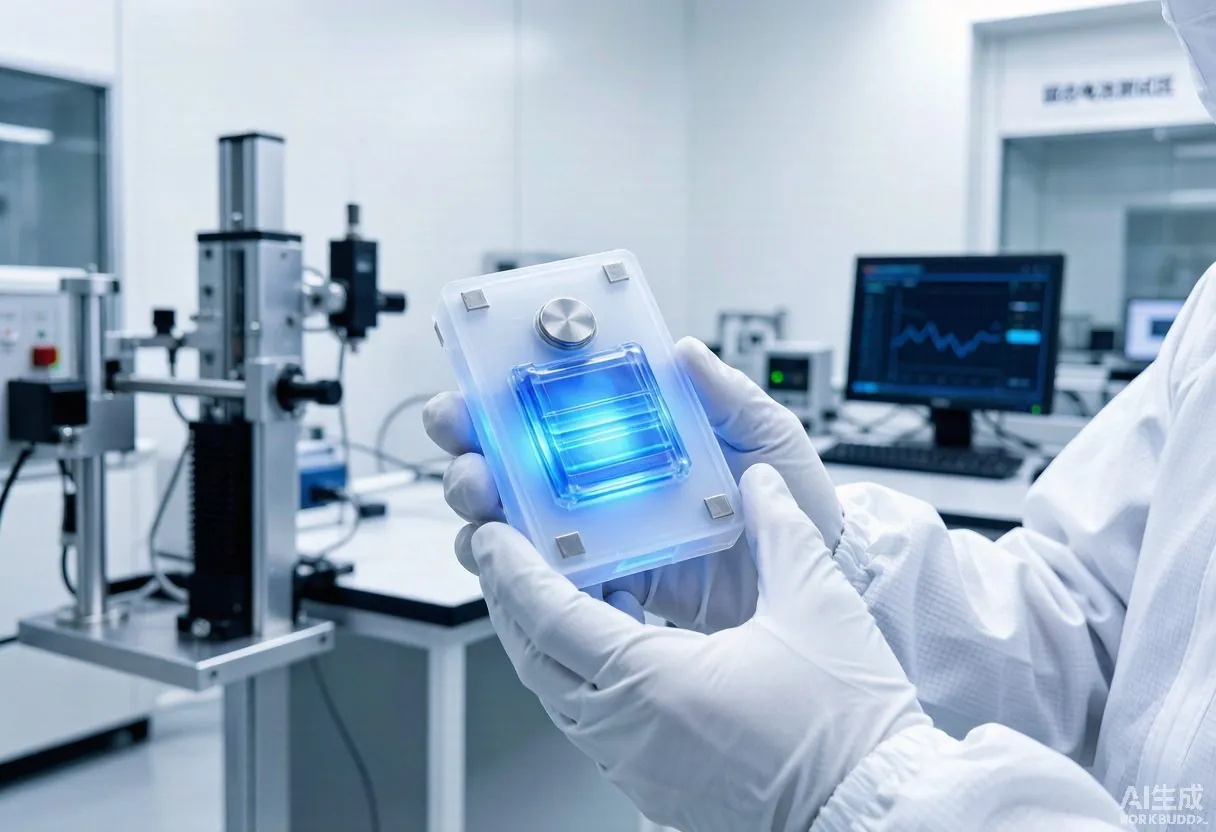
In early August, the power battery industry saw three key developments at once. First, Greater Bay Technology announced that its self-developed 40Ah mass-production-grade all-solid-state cell passed the GB 38031-2025 new national standard nail penetration test in one go under third-party supervision — a steel needle was driven vertically into the center of a 100% fully charged cell, with no open flame and no significant smoke, only a slight temperature rise at the puncture point, and the cell could still light an LED signboard after the test. Second, Gotion High-Tech's Jinshi all-solid-state battery is racing toward a cost target of RMB 1 per Wh, with a 2GWh mass-production line under construction and multiple scenario-based customers already connected. Third, in July, the world's first 10,000-ton-scale high-purity lithium sulfide production line broke ground in Anqing, Anhui Province, scheduled for full completion and mass production by 2027.
The policy and standard foundations for accelerating all-solid-state battery industrialization are now in place. On July 1, 2026, China's first national standard for automotive solid-state batteries officially took effect, providing a unified benchmark for safety and performance. On July 17, the Ministry of Finance, the General Administration of Customs, and the State Taxation Administration announced that solid-state and sodium-ion batteries would be exempt from consumption tax from September 1, 2026 through December 31, 2028. 2026 is widely regarded by the industry as the year-one of solid-state battery mass production, as the sector moves from free exploration into a standardized and regulated industrialization phase.
On technical parameters, Greater Bay Technology's all-solid-state cell has completely eliminated flammable liquid electrolytes while retaining stable 2C–3C fast-charging capability, with single-cell energy density covering a wide range of 260Wh/kg to 500Wh/kg. Gotion High-Tech's Jinshi battery has reached a cell energy density of 400Wh/kg and passed multiple stringent safety tests, with a weight loss rate of only 0.01%. On industrial scale, in the first half of 2026, China's total output of power and energy storage batteries exceeded the terawatt-hour level for the first time, reaching 1,068.9GWh, up 53.3% year on year. Hefei has gathered leading players including CATL, BYD, and Gotion High-Tech, forming a closed-loop full industry chain covering R&D, materials, cells, systems, and recycling. It should be noted objectively that all-solid-state batteries still need to cross two hurdles — cost and fast-charging performance — before moving from milestones to full-scale mass production, and the mainstream industry view is that 2027–2028 will be the core window for small-batch production and commercial pilots.
For overseas auto importers, the value of solid-state batteries lies in three areas. First, generational advantages in safety and range — passing the nail penetration test turns 'no thermal runaway' from marketing talk into a national-standard certified fact, giving dealers much more confidence when addressing consumers' safety concerns about EVs. Second, the consumption tax exemption directly lowers costs at the battery stage, and as mass-production scale expands, the prices of models equipped with solid-state batteries are expected to gradually come down. Third, within the 2027–2028 window, new models may show a clear generational gap over currently available models in range, safety, and charging performance, so import model selection requires forward-looking judgment.
Exporters are advised to track the launch schedule of mass-production models equipped with all-solid-state batteries from the second half of 2026 through 2027, to avoid stockpiling the previous generation of long-range models at high prices right before the generational shift. Confirm with battery makers and OEMs the progress of overseas certification for solid-state battery models — for example, the adaptation requirements of EAC certification in the Eurasian Economic Union for new battery types. At the same time, use the national standard nail penetration certification plus the consumption tax exemption as fresh selling points when presenting Chinese new-energy technology advantages to overseas buyers.
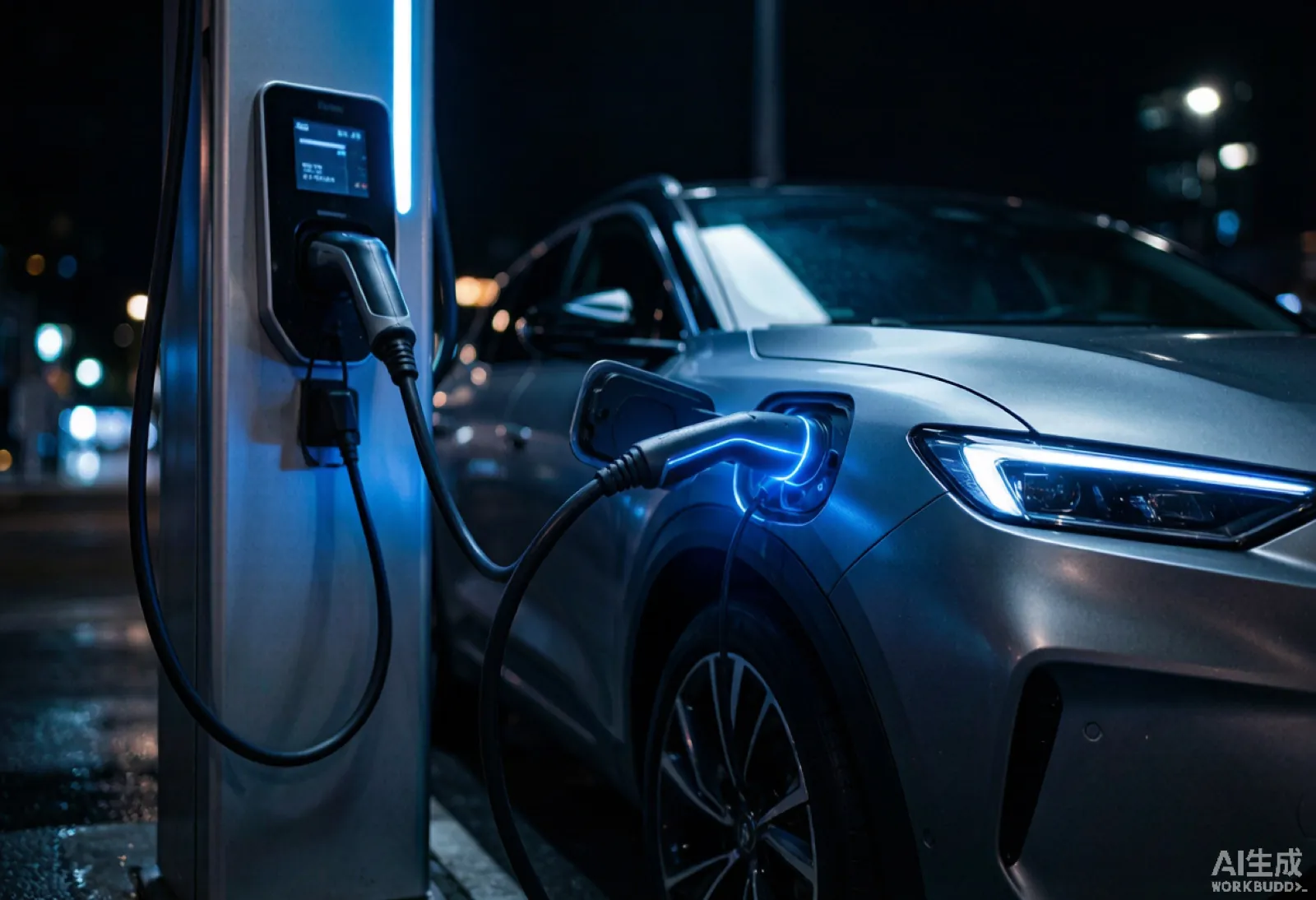
On August 1, Dongfeng eπ unveiled its "Future Wing" strategy and announced the world's first ultra-kilovolt high-voltage architecture, raising the voltage platform to 1200V with 12C peak fast charging — one second of charging adds 2.5 km of range; its self-developed solid-state battery enters vehicles in 2026 with an energy density of 350Wh/kg.
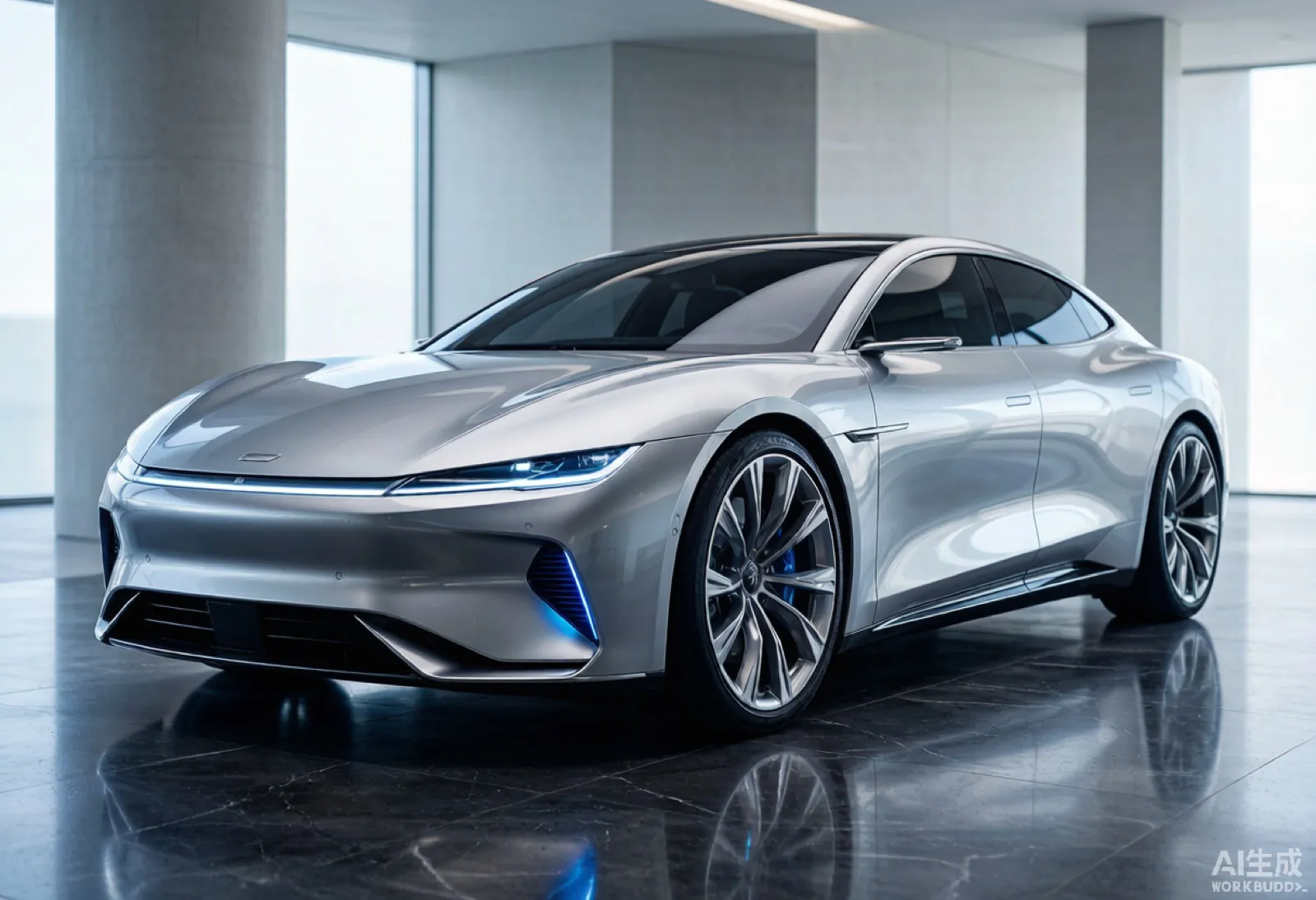
On August 3, the Denza Z9S opened pre-sales with a 102.3 kWh second-generation Blade battery and up to 1,100 km of CLTC range — a new global record for production pure-electric sedans and the first time the LFP route has broken the 1,000-km barrier.
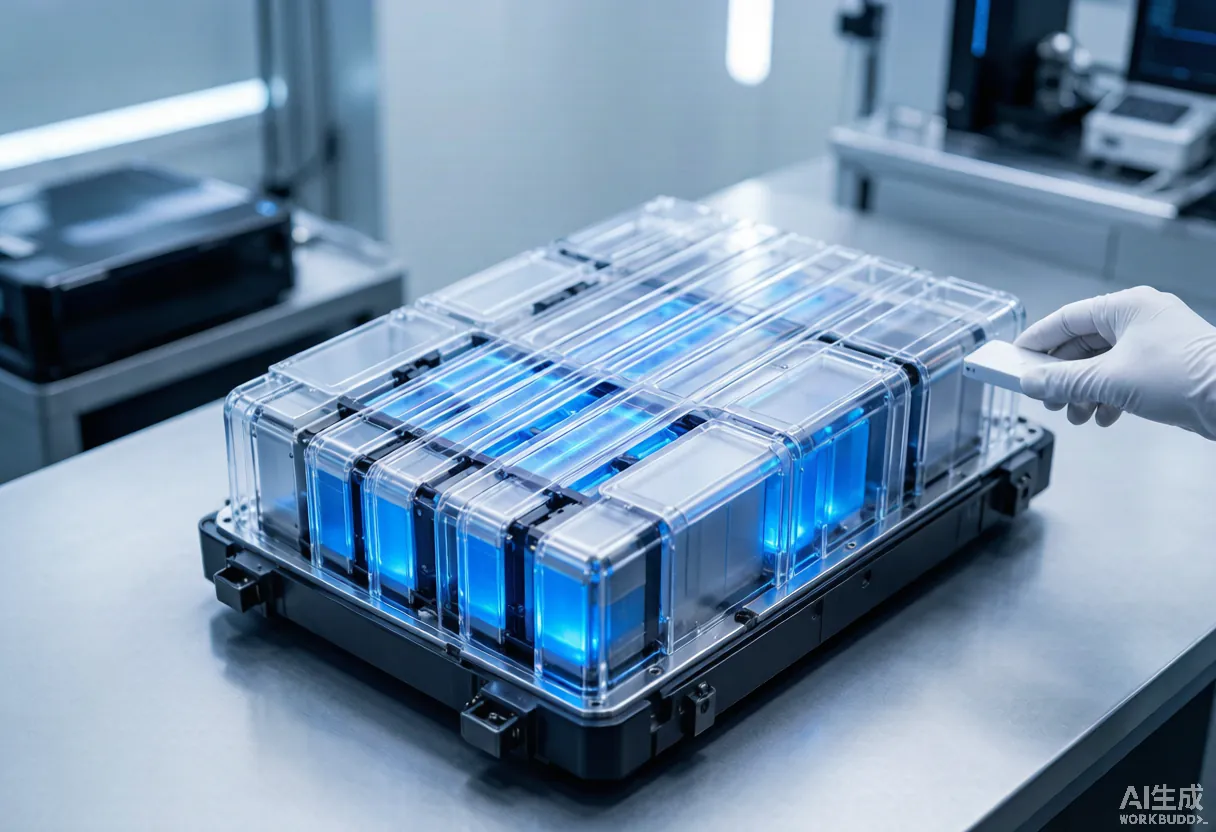
Chinese companies such as CATL and QingTao are mass-installing semi-solid-state batteries in vehicles, lifting energy density by roughly 40%–60% over ternary lithium cells, with range and safety becoming fresh selling points for export models.
Message us on WhatsApp for the latest prices and delivery to your country.
WhatsApp us