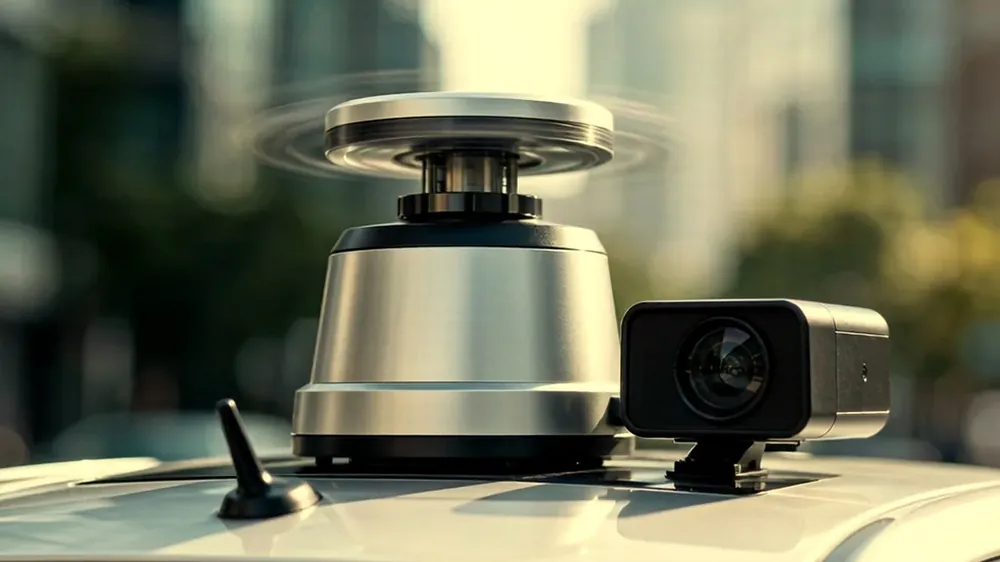
Xpeng's European ADAS push cleared a key hurdle: the second-generation VLA model passed German localization tests. VLA (vision-language-action) links perception, understanding and decisions end to end.
Localization is adaptation, not a demo. Europe sets explicit rules on data and feature boundaries; passing German checks means training on local laws. Goal: approval and deliveries by H1 next year; the VLA Robotaxi has over 2,000 test orders in Guangzhou. Localisation here means traffic-sign recognition, speed-limit logic, roundabouts and level crossings, plus adaptation records under UN-R155 cyber security and UN-R157 lane-keeping frameworks — ask for the test report in negotiations.
The financials back the story: H1 revenue of 32.78 billion yuan, net loss of 3.12 billion, Q2 gross margin 20.7%; 166,000 deliveries, overseas revenue of 8.23 billion yuan, up over 60%.
Passing the test is not full approval. Several states keep strict rules above L3, so suppliers pre-install hardware and unlock by region. Ask for the unlock map and fix the data plan in writing: contracts must set storage and access. Unlock cadence also shapes resale value — same model, different feature sets across markets, appraisers stay conservative; and under GDPR plus any local data rules, the contract must set the approval path for cross-border training data.
Act this quarter: put ADAS scope, unlock cadence and data compliance into the three checklists of your import review, and align liability wording early. Validate with a small batch before scaling; step by step beats one big commitment.
Message us on WhatsApp for the latest prices and delivery to your country.
WhatsApp us