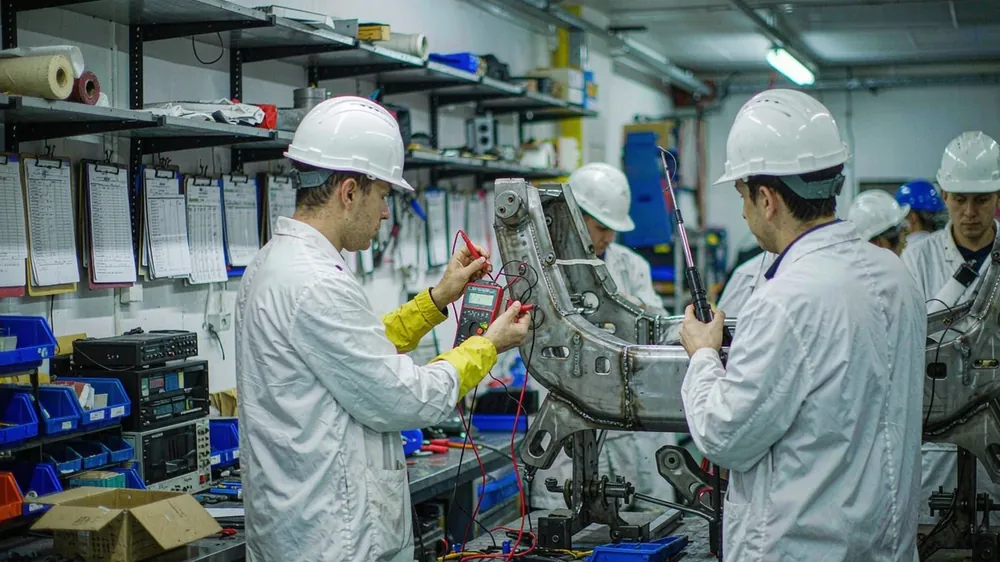
The key to Pakistan's latest tax increase is that it is not aimed at Chinese goods. The additional customs duty has been raised to a maximum of 31%, but under the China-Pakistan Free Trade Agreement (CPFTA), the aforementioned parts originating from China continue to enjoy zero tariffs or preferential rates. What is truly shut out are suppliers who cannot provide compliant certificates of origin. In other words, the policy has shifted the point of competition from price quotes to documentation: for the same quote, whoever has matching CPFTA certificates of origin, HS codes, and preferential lists pays 20 percentage points less in tax. If the documentation is even slightly off, those 20 points have to be swallowed by oneself, and the amount often equals the profit on the entire shipment. This also explains why two suppliers quoting the same part can show a significant difference in landed cost. For buyers doing CKD assembly, asking clearly upfront whether the supplier can issue a certificate of origin is more valuable than haggling over price.
The policy comes from the amendment to SRO 693(I)/2006 approved by the Economic Coordination Committee (ECC). The additional customs duty on radial tires has been raised from 4% to 11%, an increase of 7 points; 13 categories of motorcycle parts imported by manufacturers as CKD kits have been raised from 11% to 31%, a one-time increase of 20 points, covering body decorative parts such as license plates, brackets, side reflectors, footrests, wheel assemblies, windshields, seats, toolboxes, and center covers, excluding engines and transmissions. Ordinary customs duties and other taxes remain unchanged, and the entire tax burden change falls on the additional customs duty item. Customs brokers can calculate the difference using the tariff schedule without recalculating the entire order. This change only adjusts the additional duty rate without touching tariff classification, so there is no change in customs documentation requirements.
Putting Pakistan's market size into the picture makes the math clear: about 78% of registered vehicles are motorcycles, with over 50 million units in circulation, an annual aftermarket parts market of about US$3.75 billion, of which about 80% of parts are imported. Estimating a CKD kit at US$300 landed, an additional 20 points of duty means US$60 more per kit; for 5,000 kits assembled annually, that's US$300,000 more. If the preferential rates under the China-Pakistan Free Trade Agreement are used, this US$300,000 can basically be saved—under the China-Pakistan FTA, about 75% of Chinese auto and motorcycle parts are duty-free, and this is the real line that creates the cost gap.
The impact is split in two by documentation and category. Tires go from 4% to 11%, up 7 points; this tier already has thin margins, so importers either raise prices or switch specifications; 13 categories of CKD body parts rise by 20 points, assembly plants using Chinese parts are basically unaffected, while those using third-country parts directly pay an extra chunk of cost. The dividing line here is not the origin itself, but whether a compliant certificate of origin can be issued and whether the HS code falls within the preferential list—those that don't comply are levied at the ordinary rate, and models not on the preferential list are the same. Checking the tax rate for each HS code once is much cheaper than remedying it afterward with a customs broker. Taxes are easy to calculate, but documentation quality must be verified in advance, and no one can save you this step.
Before ordering, request three documents from the supplier: a sample certificate of origin under CPFTA, the preferential list page corresponding to each HS code, and a certificate of origin compliance statement specifying the processing steps and value-added ratio for each part. Send over the BOM and HS codes of the parts to be procured, and the landed cost can be calculated once at the preferential rate and once at the ordinary rate, making the difference immediately visible. If the same shipment contains both tires and body parts, it is recommended to declare and price them separately, rather than applying one tax rate to all parts, otherwise it is easy to overpay tens of thousands of dollars for the entire shipment. First do a trial calculation to confirm the difference, then decide whether to adjust the quotation structure for the whole shipment.
What certifications are required to import used cars from China?
Requirements vary by destination (e.g. EAEU needs SBKTS/OTTC, GCC for the Middle East). EZ Auto handles compliant documents and certification per the destination customs, confirming clearance before shipment to avoid port hold-ups.
What recent policy changes affect Chinese vehicle exports?
EV subsidies are phasing out while export licensing and shipping capacity fluctuate. EZ Auto tracks destination tariffs and certification changes and updates them in the News section for procurement decisions.
Can an individual buy a car directly from China for export?
Possible, but with document and customs hurdles. Most buyers order through a licensed exporter like EZ Auto, which handles the contract, export declaration and destination paperwork; you only handle pickup and local registration.
What export documents are needed for used cars?
Core documents include the commercial invoice, packing list, export customs declaration, bill of lading and the destination's import clearance papers. EZ Auto prepares the full set before shipment to ensure smooth clearance abroad and avoid demurrage.
Do destination countries limit the age of imported vehicles?
New cars are mostly unrestricted; used cars often face an age cap (e.g. some Middle East and Africa markets require within 5-8 years). EZ Auto checks the destination's age rule before shipping and screens out non-compliant units to avoid rejection at port.
This article is published by EZ Auto. EZ Auto (Cheyixing Automobile Import & Export) specializes in exporting Chinese vehicles — new, used and parts — serving Latin America, Central Asia & CIS, Africa, the Middle East and the EU, with order-based sourcing, inspection with photo report, export documentation and ocean freight in one place.
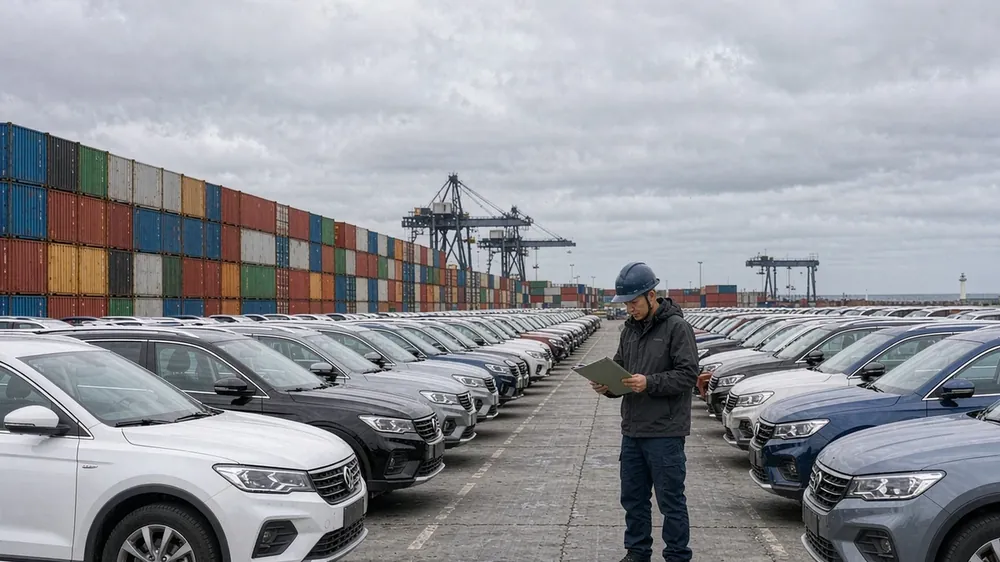 China Cuts EV Export Rebate to 9%: Reprice 2027China cuts the NEV export rebate from 13% to 9%, a four-point gap that must be priced into 2027 delivery contracts. Chea
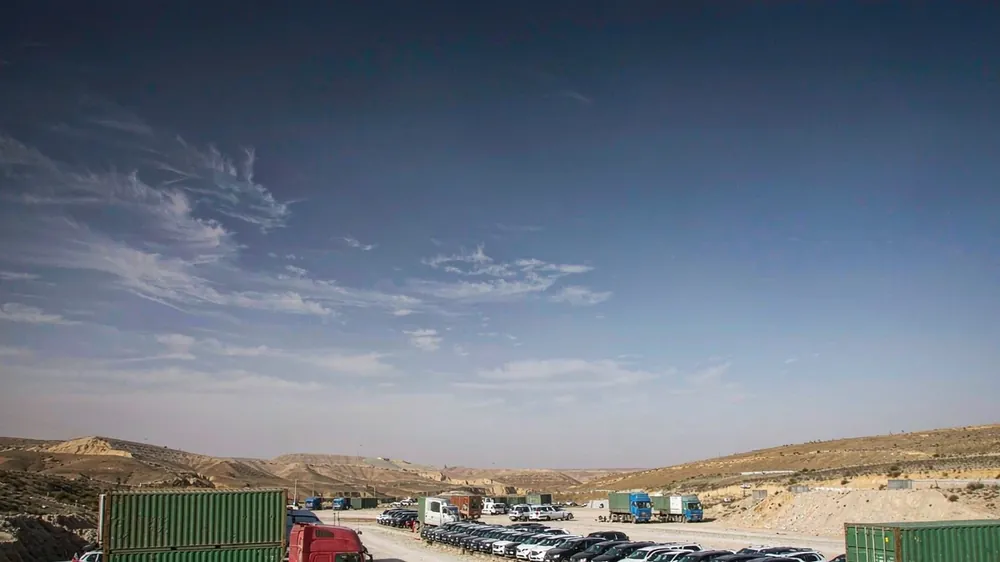 Ethiopia Adds 5% EV Import Duty: CBU vs CKDEthiopia has put a new 5% duty on imported EVs: CBU now carries it, SKD stays at 5% and CKD at zero. Cost both routes se
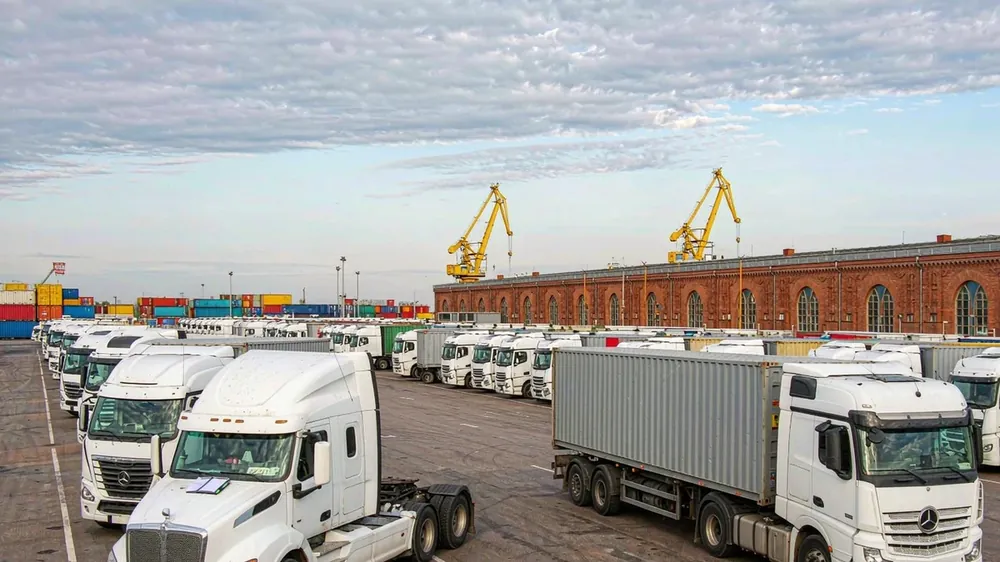 Russia Recycling Fee Probe: Importers Face 1M Ruble BillsRussia broke up a recycling-fee write-off scheme. Cars cleared as personal use now face 3-year audits and about 1 millio
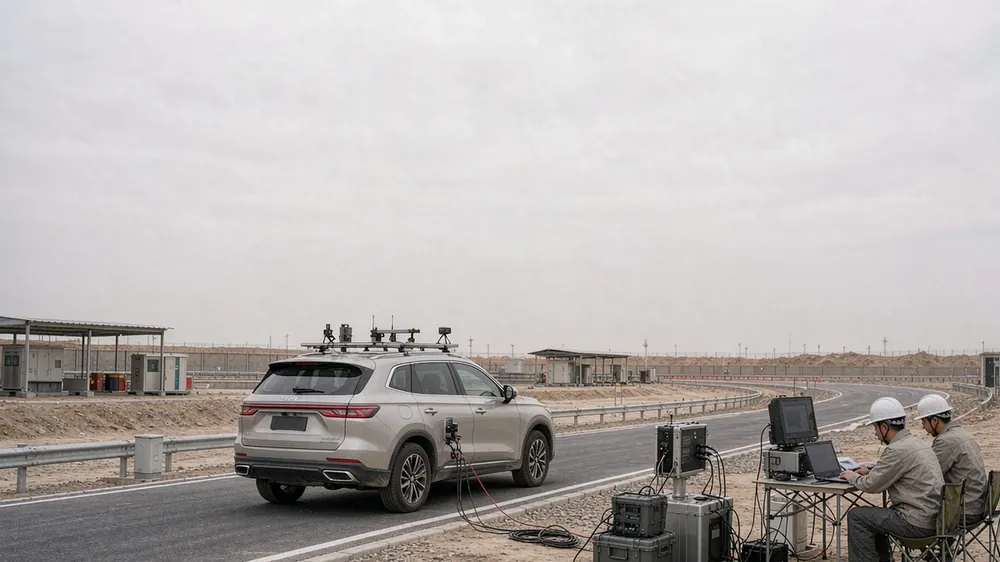 China Cuts Rushed Cars: 30,000 km Validation MandateChina wants 30,000 km of reliability testing and a two-winter cycle. Hidden door handles and folding screens are banned,
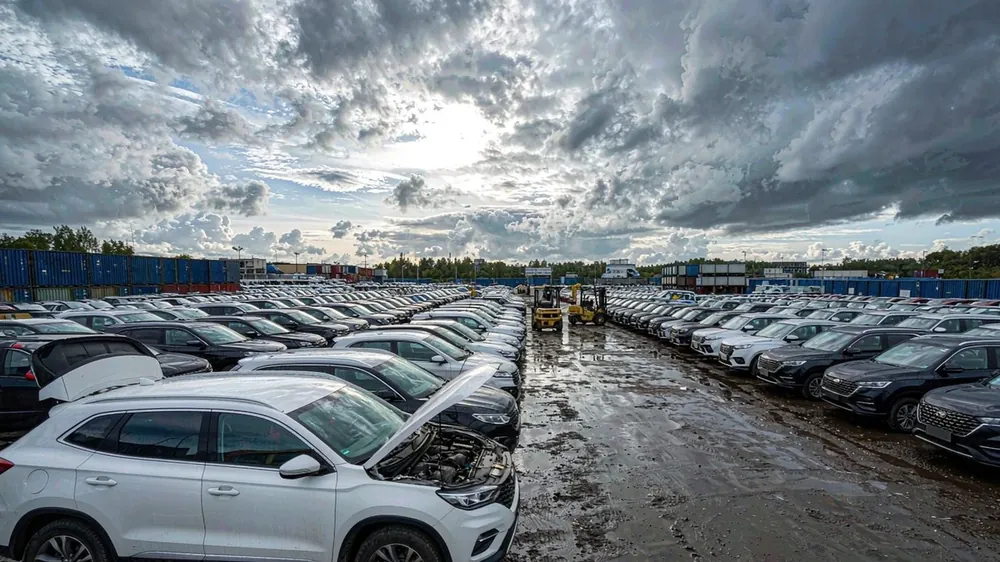 Argentina EV Quota Oversubscribed 3.2x: Importer PlaybookArgentina 2026 zero-tariff EV quota drew 160,000 bids for 50,000 slots (3.2x); 30 Sep raised the FOB cap. Price the 35%
 Message us on WhatsApp for the latest prices and delivery to your country.
WhatsApp us