
The key to L3 ADAS import compliance is not the L3 label, but which functions your target market has approved. UNECE R157 (ALKS) sets the international bar for L3 lane-keeping, yet type-approval differs between markets clearing highway L3 and those allowing only L2.
Chinese export models commonly ship with advanced ADAS — highway NOA, automatic lane change, automated parking — calibrated to China's road and sign environment. That baseline is built for China-spec rules, not your local type-approval framework; the same domain controller may expose a different function list per market version.
Run the numbers: if a function your market rejects forces you to disable 4 items, reflash the ECU and re-certify, the cost per variant is about 6,000–9,000 € and adds 8–12 weeks to approval. Across a 3-variant lineup that is 18,000–27,000 € in direct cost, plus roughly a full quarter of lost launch window.
For the importer the impact is direct. A mismatch between China-spec ADAS and local rules is the most common reason type-approval gets rejected. Any unsupported function left enabled voids the approval and shifts liability onto you. Spare parts and diagnostics diverge, since the same ECU ships per market.
Request the ADAS function matrix and the UNECE R157 certificate from your supplier, and check each line against the approved list in your target market. Confirm the interpretation with the local type-approval authority before signing, and attach that matrix to the procurement file; if L3 is not yet approved for your customers, ask the supplier for an L2-only version.
What does solid-state battery mean for Chinese vehicle exports?
Solid-state batteries promise longer range, better safety and lower weight — a key variable for NEV exports. EZ Auto tracks production progress and overseas certification fit in the News section to help buyers time model upgrades.
What to watch with ADAS features for export?
Advanced driver assistance involves local regulation and data compliance. EZ Auto recommends only the assistance levels already approved in the destination and labels feature boundaries, avoiding over-promising.
Are Chinese NEV charging standards usable overseas?
Charging connectors and voltages differ by country (e.g. CCS2 in Europe, GB/T in China). EZ Auto recommends compatible models for your market or suggests in-car adapters.
Does over-the-air (OTA) update work overseas?
OTA depends on local networks and data compliance and is restricted in some markets. EZ Auto states OTA availability at delivery and points to offline maintenance and local service channels so features don't fall short.
Does the battery warranty remain valid after export?
Warranty usually follows the vehicle and the brand's global policy, but overseas service-network coverage varies. EZ Auto explains warranty scope and cross-border limits before closing the deal to avoid mismatched expectations.
This article is published by EZ Auto. EZ Auto (Cheyixing Automobile Import & Export) specializes in exporting Chinese vehicles — new, used and parts — serving Latin America, Central Asia & CIS, Africa, the Middle East and the EU, with order-based sourcing, inspection with photo report, export documentation and ocean freight in one place.
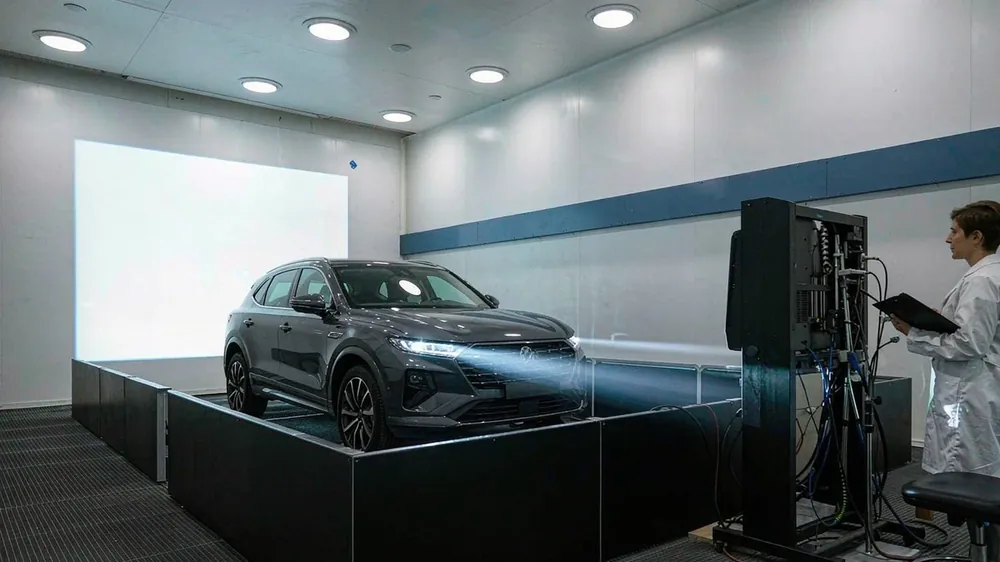 ISO 10604:2026 ADB Headlight Rule: What Importers GainISO 10604:2026, revised under Chinese leadership, sets the first shared beam aiming procedure for smart headlamps and gi
 All-Solid-State Battery Line: What Importers Must RecheckGreater Bay Technology's GWh-class all-solid-state line meets GB/T 48093.1-2026, 260–480 Wh/kg, <0.5% mass loss; reshape
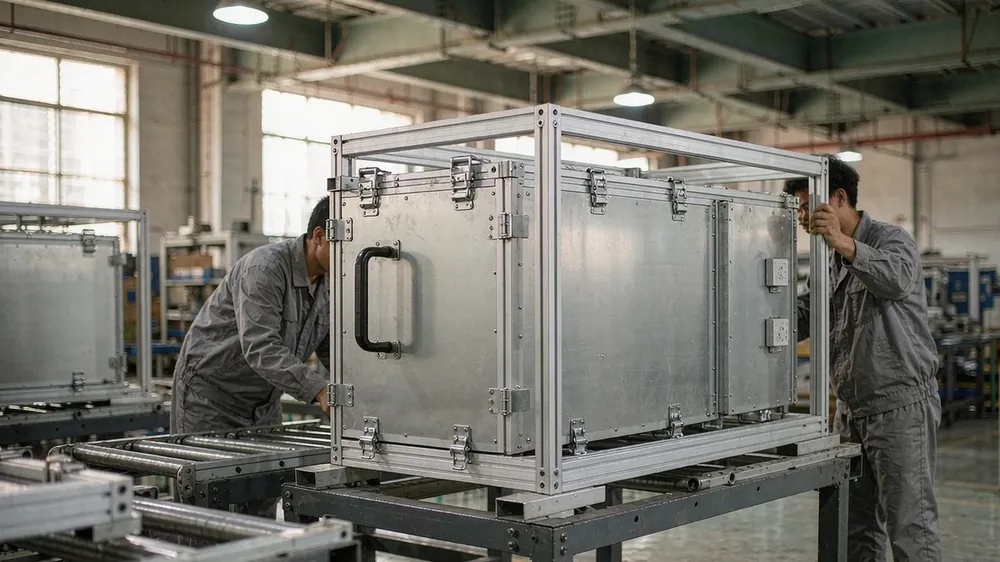 SVOLT 100kWh Hybrid Pack: Importer Charging RecheckSVOLT's 100kWh Dragon Scale hybrid semi-solid pack from Changzhou: 900V 6C, 500km in 12 min, 3000 cycles; reshapes impor
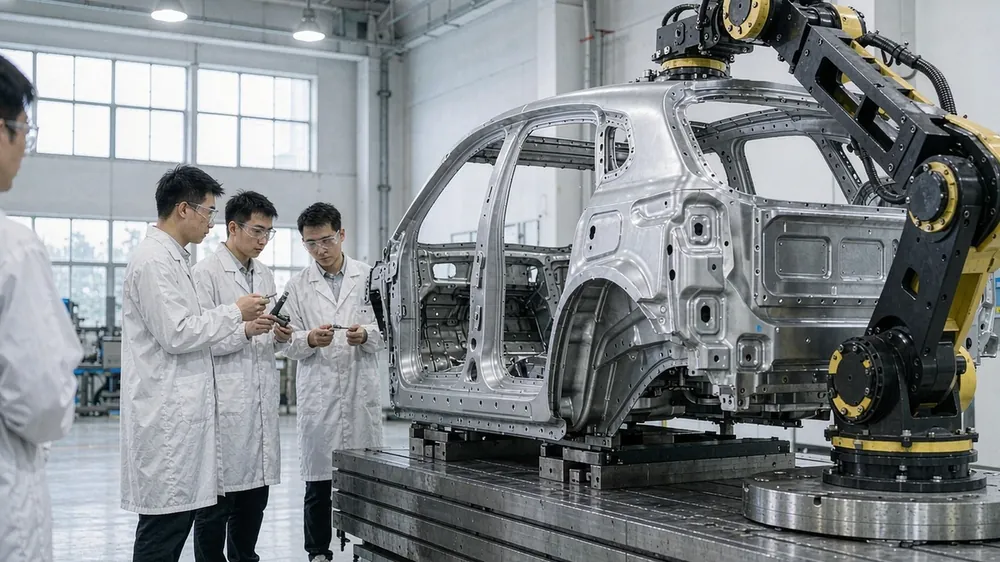 Gigacasting Cuts Car Cost: Recalculate Your Landed PriceChinese gigacasting merges 70 body parts into one casting and cuts manufacturing cost 20% to 40%, but yield sits at 65%
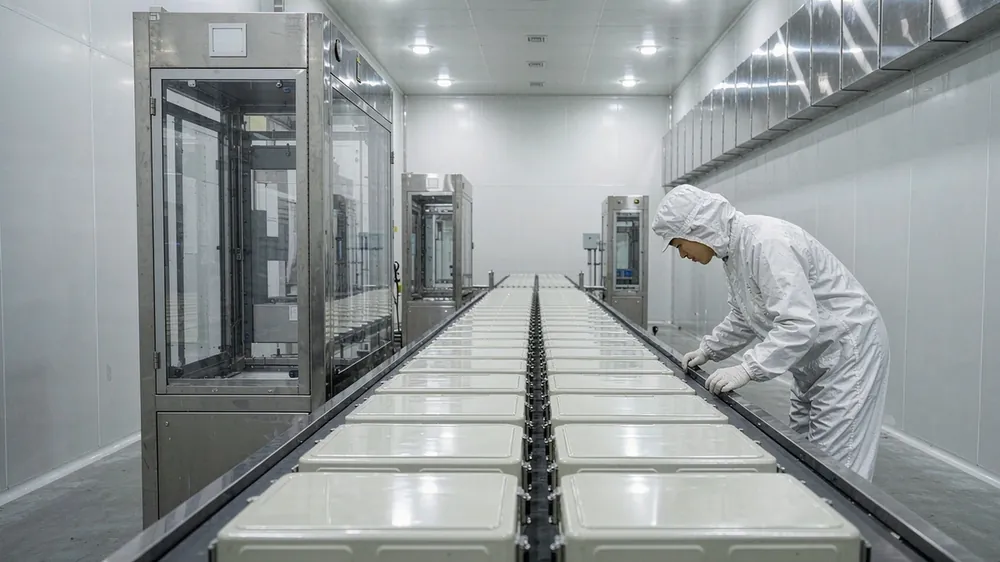 Sodium-ion EV: the cold edge, not the priceSodium-ion is 30-40% cheaper than LFP on materials, but 60-90 km more range at -20C is what sells. Worth it in the cold,
Message us on WhatsApp for the latest prices and delivery to your country.
WhatsApp us