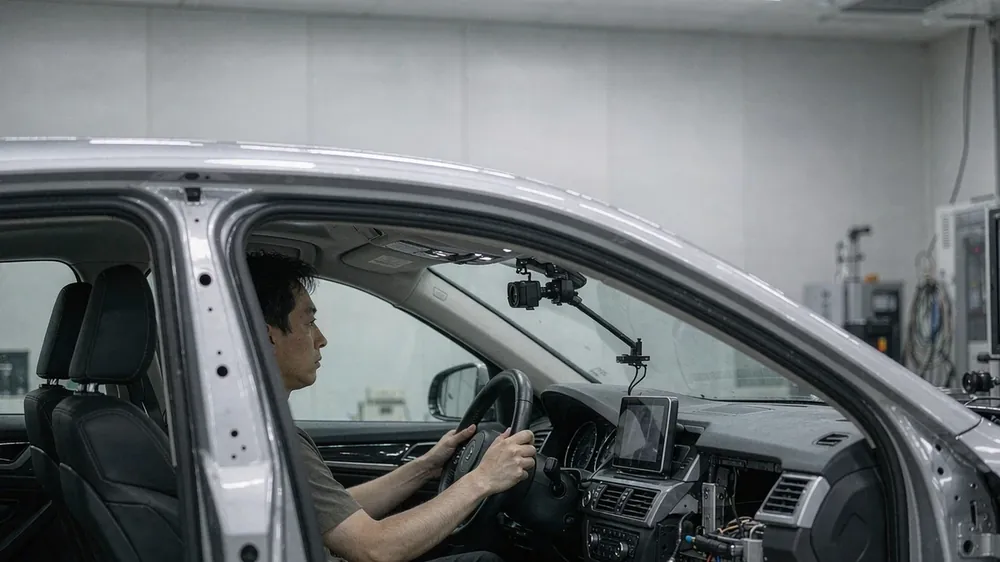
The mandatory national standard GB 44721—2026 has turned Driver Monitoring (DMS) from an optional feature into a hard threshold for L3 smart driving vehicles. This means that any Chinese smart driving vehicle preparing for export, if it does not have a reserved DMS interface in its hardware, is very likely to be directly rejected when undergoing vehicle certification in the destination country. Many buyers only focus on range and price, but overlook this invisible compliance card, thinking passing certification is too simple. The real watershed is not horsepower, but whether the system can confirm every 30 seconds that the driver still has the ability to take over. First calculate this account clearly, then talk about bulk orders. Don't treat compliance as a dispensable soft indicator, otherwise even the lowest price is only a paper cheapness. Putting compliance first is equivalent to holding the initiative of delivery time in your own hands. Don't wait until the goods arrive at the port to remedy.
This mandatory national standard was approved in July 2026, targeting M and N category vehicles equipped with L3 and L4 systems, with automatic parking not included. The standard stipulates that L3 must be equipped with driver takeover capability monitoring, and the monitoring period must not exceed 30 seconds. Once timeout or fatigue or hands-off is detected, the system must trigger multi-level warnings until slowing down and pulling over to stop. This is a hard safety bottom line. More critically, regulators explicitly prohibit car companies from turning off DMS in any way. The space to polish algorithms through user crowdsourcing in the past has been completely sealed off. For export vehicles, this is no longer a voluntary action of the company, but an unavoidable mandatory question. Understanding the standard in advance is much cheaper than firefighting afterwards. Aligning with the standard one step earlier means one less step of passively waiting for approval, and the delivery rhythm is more controllable.
Calculate a landed cost account. Domestic DMS pre-installation penetration is rapidly climbing from about 15% to 60%. The price of a single DMS camera module has been pressed down to the range of 150 to 300 yuan. The cost of the entire pre-installation solution is completely controllable, making it one of the cheapest compliance items in the vehicle BOM. However, if an export vehicle does not come with DMS from the factory, retrofitting after arrival not only requires re-wiring and modifying ECU interfaces, but also requires supplementary vehicle type certification. The cost of rectification and retesting per unit often far exceeds the hardware itself. Missing the mandatory node of July 1, 2027, new application models will be unable to enter the market access lists of multiple countries, inventory directly becomes stagnant, and capital occupation worsens. The account must be calculated over the full cycle, not just the first order purchase price. Hidden costs are the most deadly.
For overseas importers, the risk is not whether they can afford it, but whether it can pass customs after arrival. An L3 vehicle without DMS reservation may be compliant in the country of origin, but stuck at the destination country certification stage, becoming inventory that cannot be registered, and funds are thus stagnant. Especially for buyers in heavily regulated markets such as the Middle East and the EU, they should write DMS into the procurement technical agreement, rather than waiting until the goods arrive to supplement, at which point there is no bargaining chip left. Conversely, locking in a compliant version with DMS in advance can seize the opportunity before the 2027 window period, using shorter delivery cycles to keep competitors out. Being compliant first is the real cost moat and the confidence at the negotiating table.
It is recommended that buyers request two documents from suppliers at the inquiry stage: a DMS supplier list and test reports of the national standard, confirming that the vehicle model has completed simulation, site, and road triple verification according to GB 44721—2026, rather than just listening to sales verbal promises. At the same time, write "monitor every 30 seconds, prohibit turning off" into the contract terms to avoid discovering the system is castrated upon arrival. If you need to verify the landed cost and certification cycle of a specific configuration in the current market, you can provide the VIN and configuration list, and we will give targeted quotes and delivery times by vehicle model, minimizing the risk of later rectification. Putting things upfront saves the entire batch payment compared to disputes afterwards, and is also more conducive to repeat purchases.
What does solid-state battery mean for Chinese vehicle exports?
Solid-state batteries promise longer range, better safety and lower weight — a key variable for NEV exports. EZ Auto tracks production progress and overseas certification fit in the News section to help buyers time model upgrades.
What to watch with ADAS features for export?
Advanced driver assistance involves local regulation and data compliance. EZ Auto recommends only the assistance levels already approved in the destination and labels feature boundaries, avoiding over-promising.
Are Chinese NEV charging standards usable overseas?
Charging connectors and voltages differ by country (e.g. CCS2 in Europe, GB/T in China). EZ Auto recommends compatible models for your market or suggests in-car adapters.
Does over-the-air (OTA) update work overseas?
OTA depends on local networks and data compliance and is restricted in some markets. EZ Auto states OTA availability at delivery and points to offline maintenance and local service channels so features don't fall short.
Does the battery warranty remain valid after export?
Warranty usually follows the vehicle and the brand's global policy, but overseas service-network coverage varies. EZ Auto explains warranty scope and cross-border limits before closing the deal to avoid mismatched expectations.
This article is published by EZ Auto. EZ Auto (Cheyixing Automobile Import & Export) specializes in exporting Chinese vehicles — new, used and parts — serving Latin America, Central Asia & CIS, Africa, the Middle East and the EU, with order-based sourcing, inspection with photo report, export documentation and ocean freight in one place.
 China V2G standard live, fleet batteries can sell power backGB/T 47241-2026 took effect on 1 September, setting 10 MW aggregation and 5 MW controllability. Chongqing pays 100 yuan/
 China's 15th Five-Year Plan Redraws Export SpecsChina's nine ministries set 17 tasks and a 2030 target of 70% new energy passenger share, lifting the baseline for expor
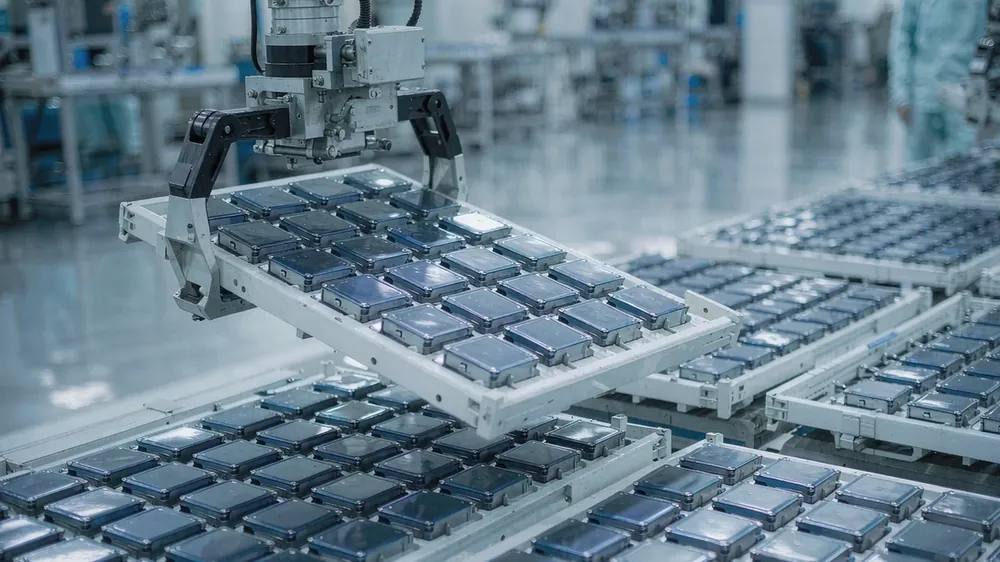 Automotive-grade sodium batteries secure a European nomination: How should the cold-climate market view this?Sodium-ion batteries have obtained an independent tariff code, and Camel has secured a European nomination. Importers sh
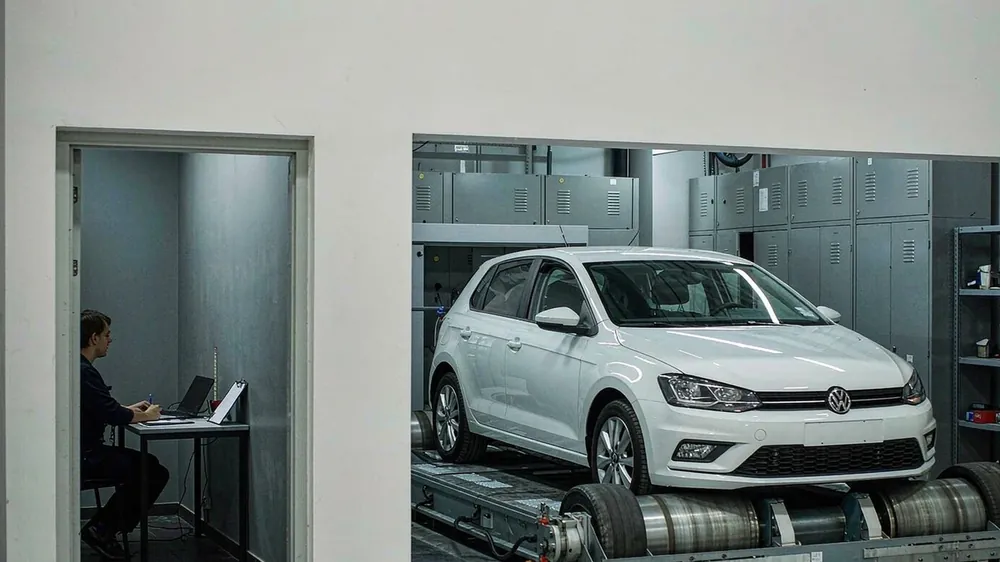 EU type approval adds four new tests: export model spec sheets must be revisedThe EU Official Journal published (EU) 2026/1753 on September 24, inserting four new tests GA19–GA22 into Annex II of 20
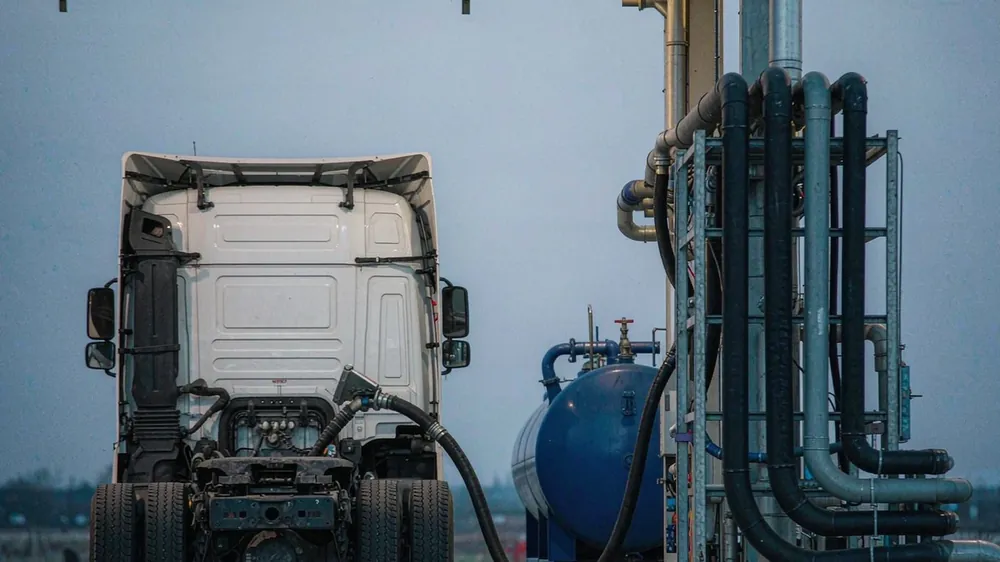 Hydrogen Fuel Heavy Trucks Going Global: Usable in Ports and Mining Areas, Not on Open Trunk LinesThe Greater Bay Area pilot promoted 16,000 hydrogen fuel cell commercial vehicles and built 100 hydrogen refueling stati
Message us on WhatsApp for the latest prices and delivery to your country.
WhatsApp us