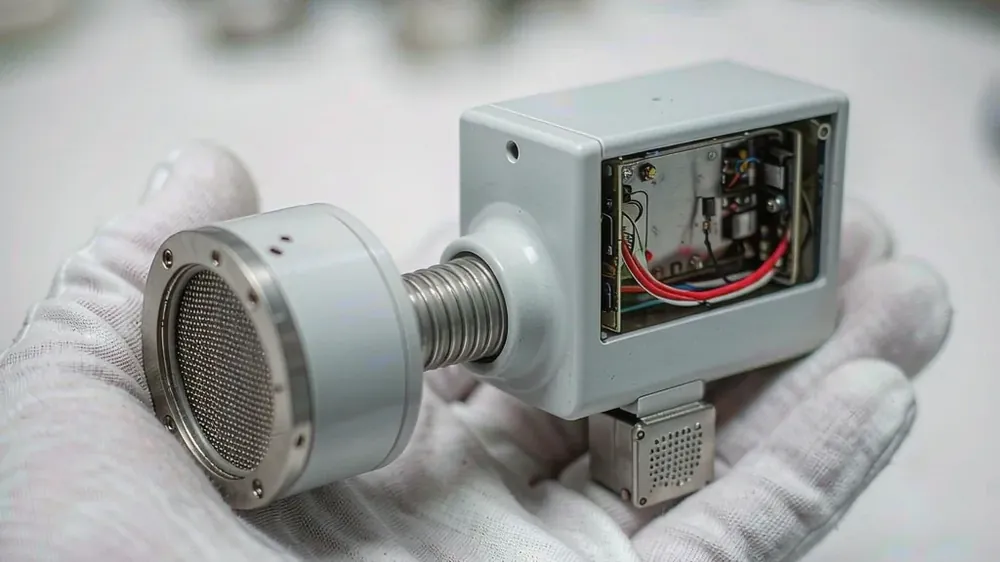
Key takeaway: lidar is moving from premium ADAS exclusivity to a mainstream standard option. China installed 985,000 units in Q1 2026, on track for 4.4 million units, with penetration toward 20% and cars under RMB 100,000 passing 5% for the first time. Cost drives it: RoboSense's M platform falls to about USD 200, Hesai to about RMB 1,466.
The RMB 100,000-150,000 band is the battleground for lidar SUVs: Deepal S05 from RMB 134,900 with dual J6M chips, Aion N60 with a standard 192-line lidar, Leapmotor C16 at RMB 159,800, and Chery Fulwin T9L at RMB 149,900. Leapmotor's A10 starts at RMB 86,800 and the Seagull at RMB 69,900 with optional lidar — the sensor enters budget-car option lists.
The market is a duopoly: Hesai and RoboSense hold over 60% of global share, and scale keeps pushing costs down, keeping newcomers out. Horizon's Journey 6M powers cost-effective builds, with ADAS hardware costs expected to fall another 15-20%. Forecasts see lidar penetration exceeding 45% by 2028.
The export angle is direct: buyers in the Middle East, Southeast Asia and Russia increasingly ask for ADAS, making lidar plus city NOA the core differentiation of Chinese smart driving abroad. But overseas activation depends on HD maps and regulation — verify availability country by country.
Action: add standard lidar and city-NOA activation to your selection checklist and compare against rivals; confirm overseas certification, data compliance and map suppliers in writing; and check budget models like the A10 and Seagull — they are opening a long ignored export price band.
Message us on WhatsApp for the latest prices and delivery to your country.
WhatsApp us