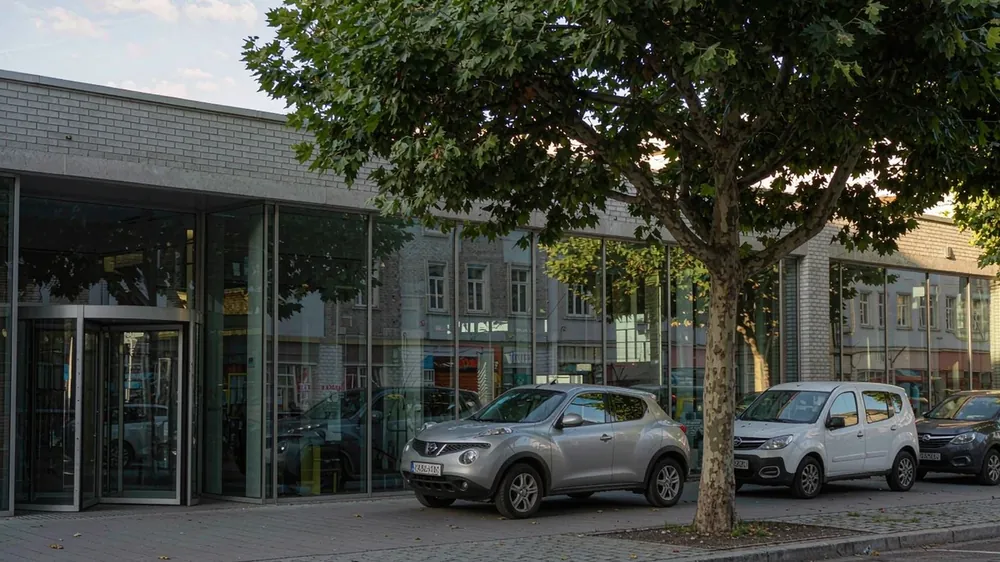
A 57.6% Chinese-brand share means Uruguay is no longer a market for test runs, but a battlefield where China's own supply chain competes with itself for volume. September new cars totaled 6,447 units, down 5.1% year-on-year (ACAU basis 6,786 units, down 3.13%; the two statistical scopes differ), while Chinese brands rose 55.1% year-on-year for the month, versus only 35.2% a year earlier. The overall market shrank, yet Chinese cars kept growing, and every extra unit was taken from another brand, not from new demand. The top ranks are also shifting: BYD 737 units, down 42.1%, still first with an 11.4% share; Geely 470 units, up 256.1%, rising to fourth. The number one is falling while the number four is charging, which shows the shelf space here can be rearranged.
Pure electric is an even steeper curve. September pure electric was 3,070 units, 48% of light vehicles, up 56% year-on-year; January to September cumulative 56,504 units, up 14.9%, with the ACAU basis at 58,081 units cumulative; the two cannot be mixed. A 48% penetration means Uruguay is already one of Latin America's fastest-electrifying markets; there is no local automaker, all cars are imported, and pure electric is no longer a showroom exhibit but a main SKU. Precisely because it is fast, three thresholds rise at once: registration, repair, and parts supply. An extra 30 km of range will not move fleet buyers; being able to swap a battery within two weeks will. The answers to these three things are not in the brochure but in the number of SKUs in the spare-parts warehouse and the repair technicians' shift schedules; asking three questions is enough to hear the difference.
Take a pure electric with a $20,000 CIF price: IVA alone at 22% is $4,400, and tariffs and IMESI stack by price band, with rates varying by model, so each model must be calculated individually before quoting; an average cannot be applied across the whole range. The gap between landed price and CIF price cannot be squeezed out of suppliers; it can only come from model selection and price band. What deserves more attention is turnover: with penetration at 48%, the contest is not who can sell the cars but whose inventory days are shorter; every day a car sits in the warehouse, the battery and the capital depreciate together. Cutting turnover from 60 days to 45 days means the same cash completes a cycle in a year and a half, and that math is an order of magnitude bigger than the price difference on a single car.
The impact on importers is structural. 57.6% shows the shelf no longer lacks Chinese brands; what it lacks is the one that can supply steadily, extend payment terms, and guarantee spare parts; BYD at down 42.1% and Geely at up 256.1% coexisting shows local dealers' purchasing decisions really can be swayed, but the reason cannot be just $500 cheaper. The opportunity lies in the unfilled slots: with pure electric past half, hybrid and light commercial competition density is low, margins hold, and the after-sales radius has not yet been locked down by anyone. Secondary-network dealers prefer brands with stock on hand; payment terms matter more than brand fame, so first ask clearly the shortest payment term the other side can accept, then discuss exclusivity.
The next steps must land on a checklist. Ask the supplier for three things: CIF quotes by model (stating battery capacity and configuration), the document list for Uruguayan registration and emissions compliance, and a common spare-parts list plus the number of shipping days to Montevideo. Only with all three can you judge whether this product line still has a place in the 57.6% existing base. Then ask for a port-arrival cycle table, how many days shipping and how many days customs clearance each take, which directly determines cash flow. To verify a model's true landed cost, provide a VIN or configuration sheet and break it down item by item by CIF price, taxes and fees, and inland leg; that reveals who is giving concessions better than looking at the total price. The more detailed the checklist, the closer the returned price is to true cost, and the easier it is to compare whether two parties' concessions are real or not.
Which markets demand the most Chinese vehicles?
Latin America, Central Asia & CIS, the Middle East, Africa and the EU all show steady demand with different preferences (e.g. pickups and SUVs in Central Asia, heat-resistant models in the Middle East). EZ Auto supplies all five regions equally, without betting on a single market.
Where can I check Chinese vehicle export data?
Export volumes, destination registrations and import figures are published by China Customs and destination statistics offices. EZ Auto's News section digests the key trends so buyers can judge quickly.
How do shipping cost swings affect my purchase?
Freight is a meaningful share of landed cost and moves with capacity and fuel. EZ Auto locks the shipping method and timing at contract and quotes major pre-arrival costs to limit mid-way price changes.
How do exchange-rate swings affect export quotes?
RMB and destination-currency fluctuations affect landed cost. EZ Auto stamps a validity period on quotes, and volume orders can lock an exchange-rate window to reduce price-change risk.
Which models hold value better in target markets?
Resale value depends on local parc size, parts availability and brand recognition. EZ Auto advises model choices based on the destination's market rather than simply pushing high-margin units.
This article is published by EZ Auto. EZ Auto (Cheyixing Automobile Import & Export) specializes in exporting Chinese vehicles — new, used and parts — serving Latin America, Central Asia & CIS, Africa, the Middle East and the EU, with order-based sourcing, inspection with photo report, export documentation and ocean freight in one place.
 Russia: 3,200 EVs, four Chinese brands in the top 10September BEVs hit 3,200 units, +155%, or 2.8% of a 115,060 passenger car market: Evolute 770, Changan 763, Toyota 663,
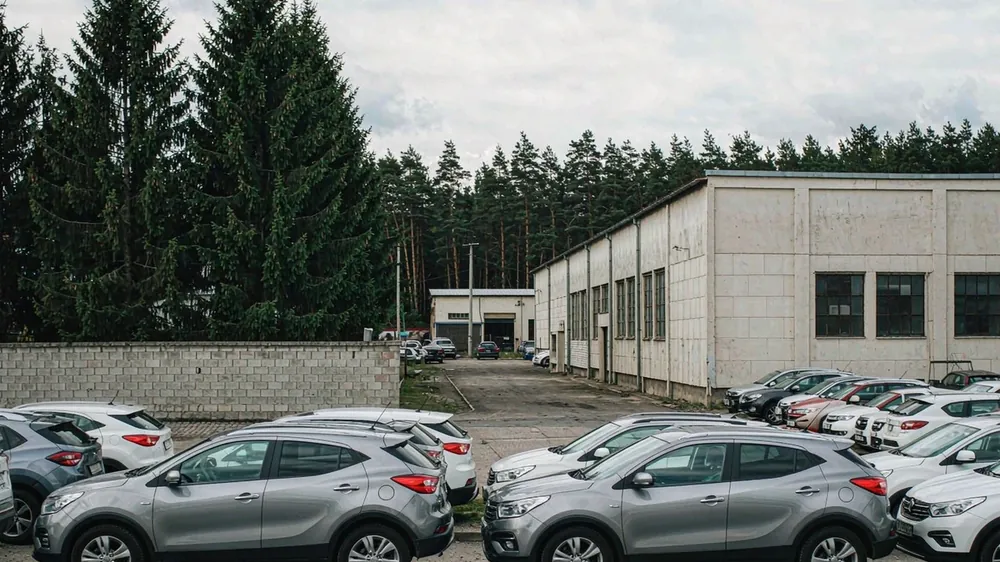 Poland: MG at 4.38% as local assembly narrows importsMG took 4.38% and seventh place in Poland's September market, up 88% on a market at 13%, but its nine-month share is 3.1
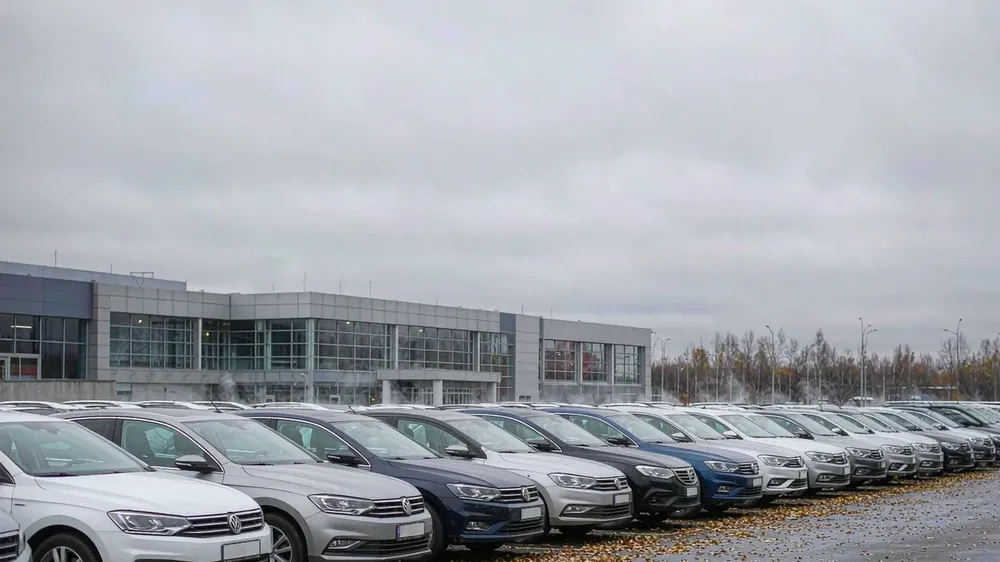 Russia Sept sales fall 6.2%, Chinese brands take 42.4%Russia sold 115,060 new cars in September, down 6.2%; seven Chinese brands total 48,807 units and 42.4% on Autostat data
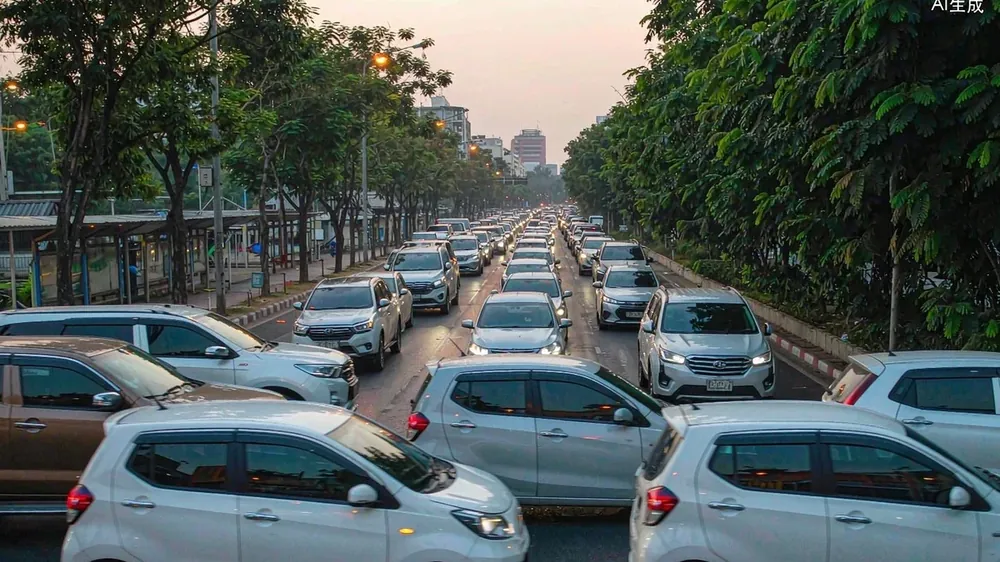 Philippines EV registrations up 130%: 2028 duty deadlinePhilippine EV registrations passed 67,000, +130% including hybrids, near a quarter of sales; petrol up 68.3% and the dut
 Belarus buys $1.5bn of Chinese cars in 8 months, ranks 16thChina customs: $1.5bn+ in passenger cars to Belarus Jan-Aug 2026, about $190m a month — 16th largest buyer. EAEU adds a
Message us on WhatsApp for the latest prices and delivery to your country.
WhatsApp us