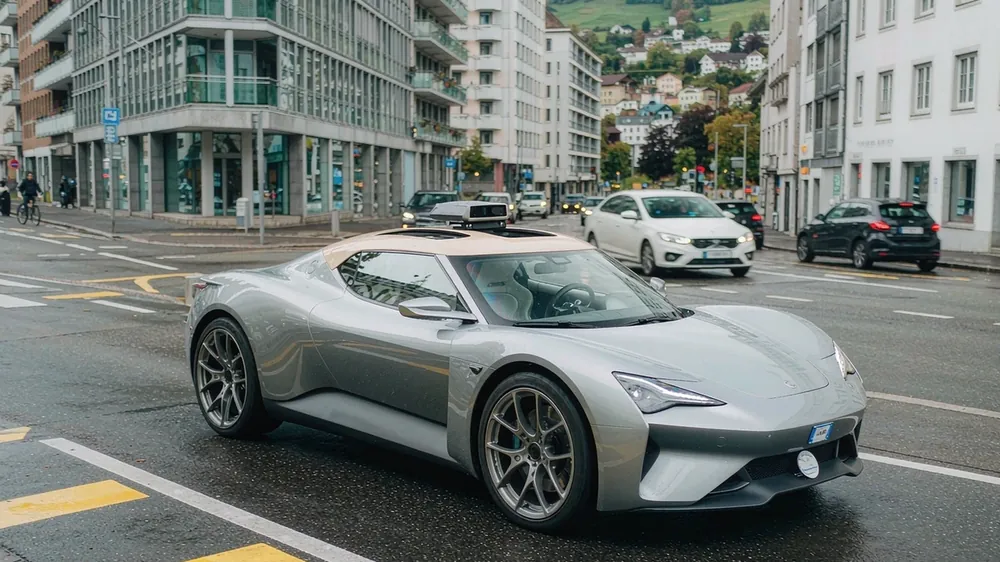
L3 architecture plus a cross-city test means the hardware race has outrun the rulebook, and importers should not mistake 'hardware ready' for 'function sellable'. Check first whether the destination accepts L3 liability, then who pays.
Buyers ask which certificates they need and where EAC, OTTC and СБКТС apply. Answer with a split: EAC is the customs-union mark for clearance; OTTC is Russian type approval for access; СБКТС is the safety certificate per model or batch. That covers the long-tail query: what documents do I need to import an EV from China. Advanced assistance adds a functional-safety note. Most markets allow only L2+, so an OTTC does not mean L3 can legally engage. EAC vs OTTC — which one do I need?
A lidar plus high-compute controller for L3 costs $3,000–5,000 per car; against 319,800–429,800 yuan ($44,000–59,000), that is 8%–12% of the vehicle. Quotable line: on a 319,800-yuan car, L3 hardware is about $4,000, near 9% of the price, yet in an L2+-only market that money buys no legally switchable L3 — list hardware cost and available function as separate lines.
For importers the impact comes down to one phrase: can it be switched on? Europe, Southeast Asia and most Middle East markets still recognise only L2+, with responsibility staying with the driver. L3 shifts liability, and where rules are not open, it cannot be sold. Hence the awkward result: lidar on the car, 'L3 architecture' on the brochure, but L2+ at registration.
Act in four steps: request the hardware list and cost breakdown for lidar and the controller; check the destination list using the EAC-for-customs, OTTC-for-access, СБКТС-for-safety split; state the delivered level — L2+ or L3 — in the contract with a functional-safety note; amortise the $15,000–30,000 over 500 units into $30–60 per car before pricing.
What does solid-state battery mean for Chinese vehicle exports?
Solid-state batteries promise longer range, better safety and lower weight — a key variable for NEV exports. EZ Auto tracks production progress and overseas certification fit in the News section to help buyers time model upgrades.
What to watch with ADAS features for export?
Advanced driver assistance involves local regulation and data compliance. EZ Auto recommends only the assistance levels already approved in the destination and labels feature boundaries, avoiding over-promising.
Are Chinese NEV charging standards usable overseas?
Charging connectors and voltages differ by country (e.g. CCS2 in Europe, GB/T in China). EZ Auto recommends compatible models for your market or suggests in-car adapters.
Does over-the-air (OTA) update work overseas?
OTA depends on local networks and data compliance and is restricted in some markets. EZ Auto states OTA availability at delivery and points to offline maintenance and local service channels so features don't fall short.
Does the battery warranty remain valid after export?
Warranty usually follows the vehicle and the brand's global policy, but overseas service-network coverage varies. EZ Auto explains warranty scope and cross-border limits before closing the deal to avoid mismatched expectations.
This article is published by EZ Auto. EZ Auto (Cheyixing Automobile Import & Export) specializes in exporting Chinese vehicles — new, used and parts — serving Russia and Belarus, the five Central Asian countries, the three South Caucasus countries, Latin America, Africa, the Middle East, Eastern Europe and Southeast Asia, with order-based sourcing, inspection with photo report, export documentation and ocean freight in one place.
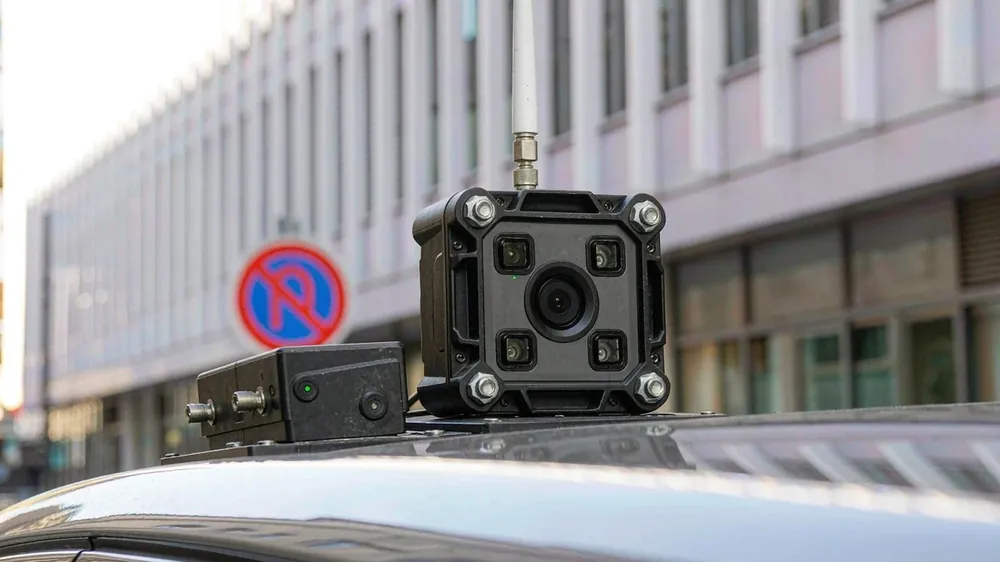 China ADAS Goes Global: Euro NCAP & Local Rules DecideL2+ nears 70%; city NOA falls to ¥150,000–200,000. L3 redundancy adds ¥12,000–18,000 per car; Euro NCAP/GSR approval tak
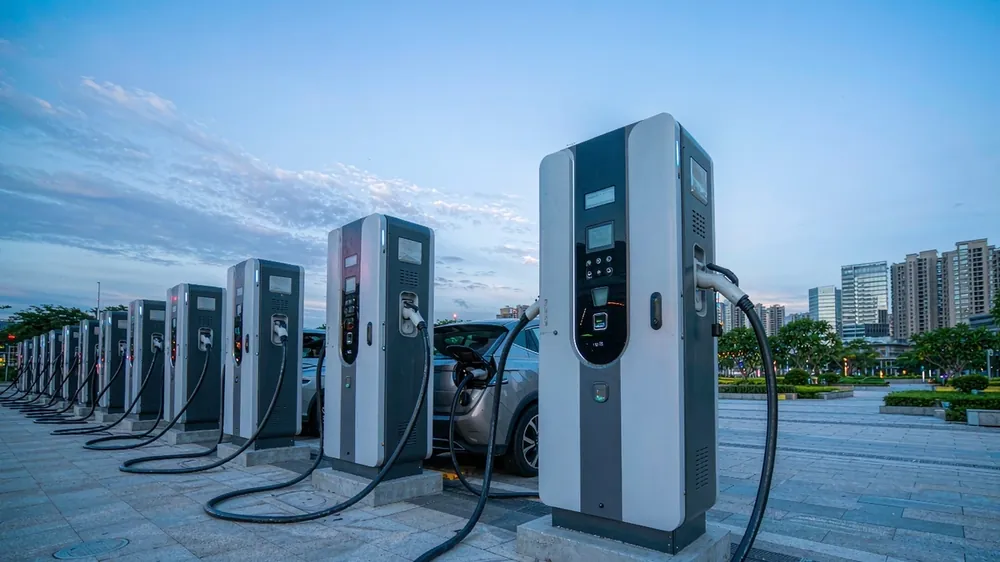 EV Charging Network Export: 2,500 Swap Stations AbroadCATL tops 2,500 swap stations; BYD has 12,165 flash chargers in 341 cities. The real export gate is the network: who bui
 LMFP Nudges the Trade-Off: 205 Wh/kg Cells for ImportersGotion's LMFP cell tops 205 Wh/kg and restores 70% in 10 minutes. Importers: verify measured density, charging condition
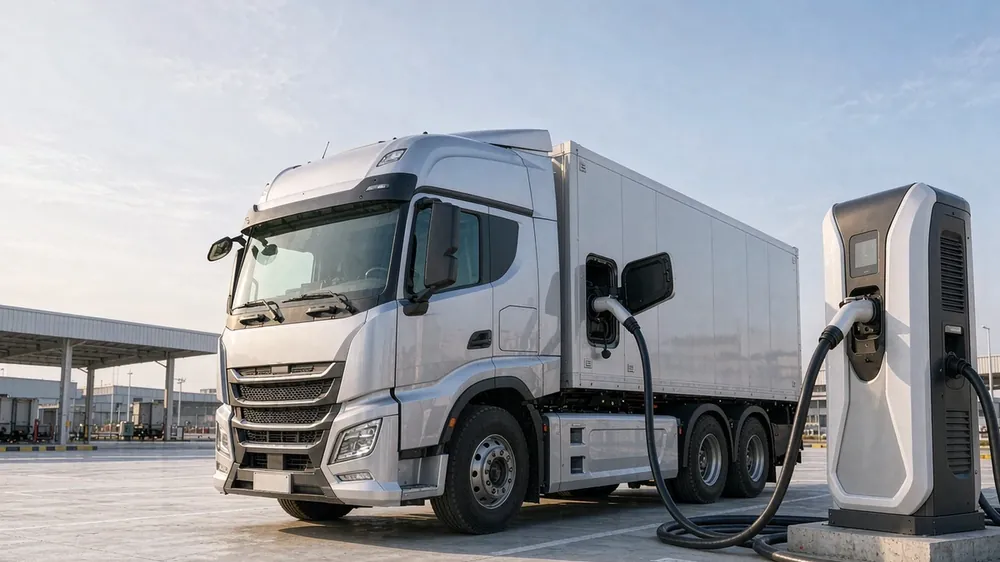 Import Chinese Electric Truck: Run the Charging TCOFoton's megawatt truck adds 100 km in 6 minutes. Recompute trips, power price and site capex against local grid capacity
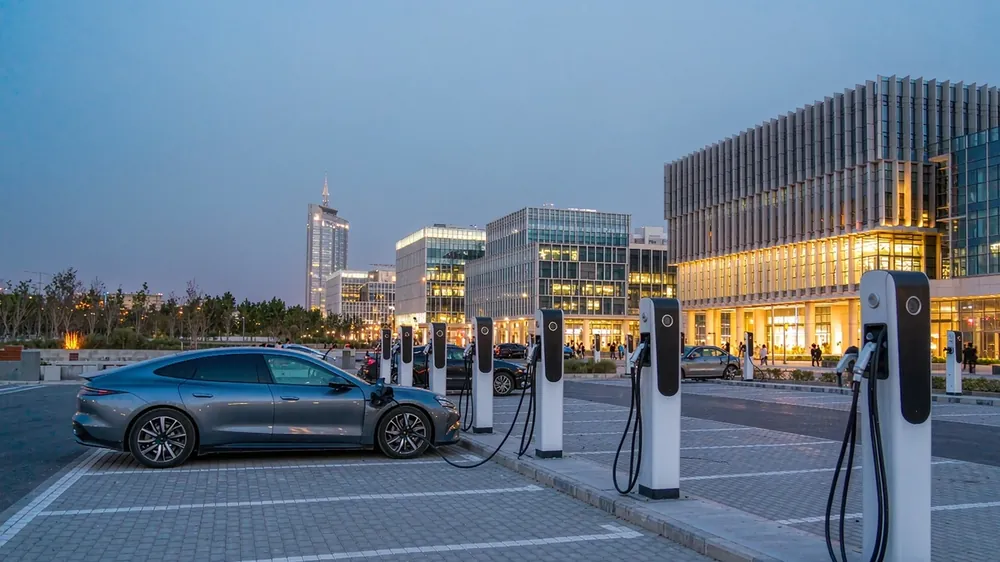 Importing 800V EVs: Check Charging Network CompatibilityA 6-minute 10C refill means little if the grid cannot supply it. Check CCS2/Type 2 fit, 50°C thermal data and station pa
Message us on WhatsApp for the latest prices and delivery to your country.
WhatsApp us