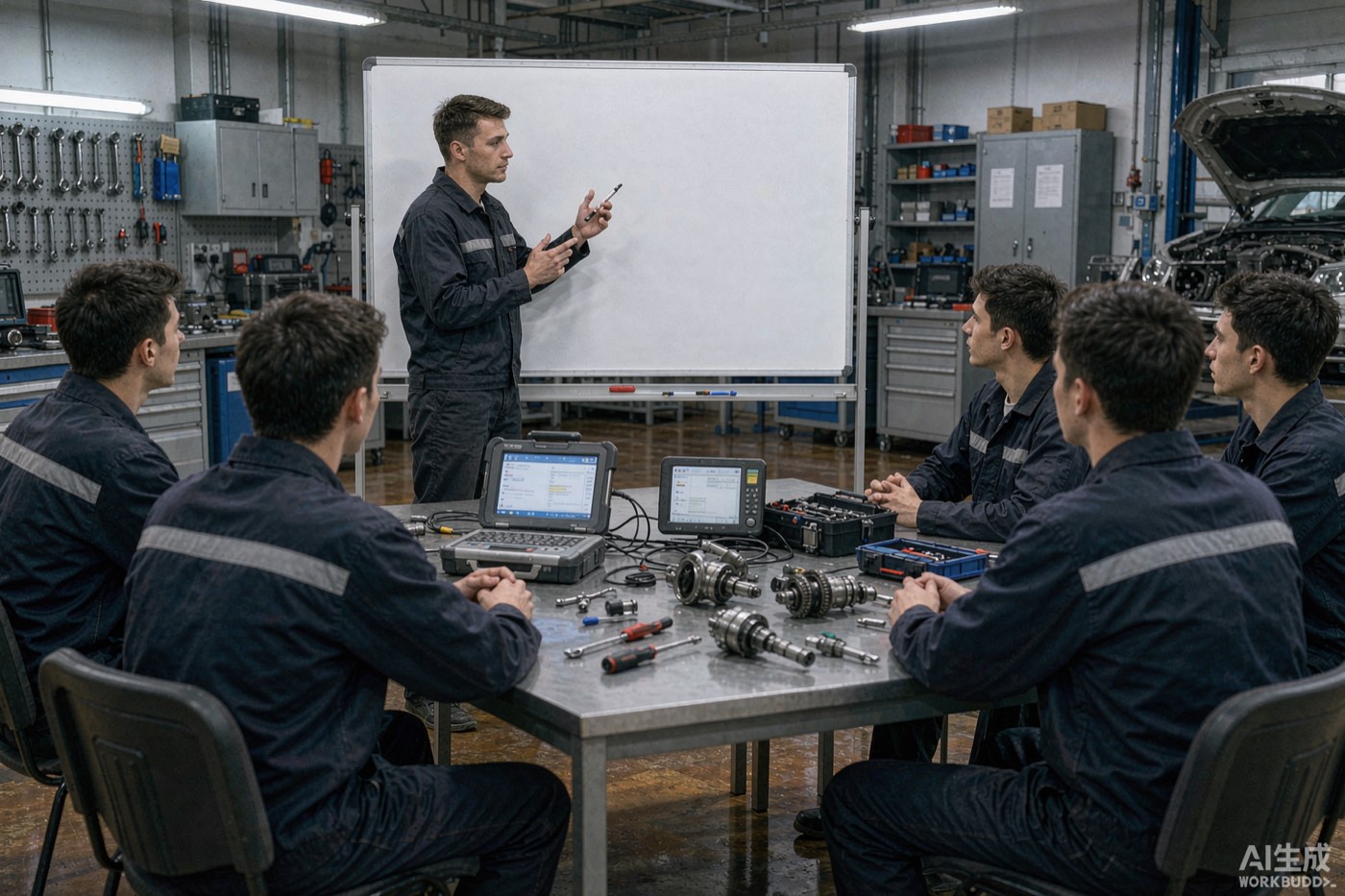
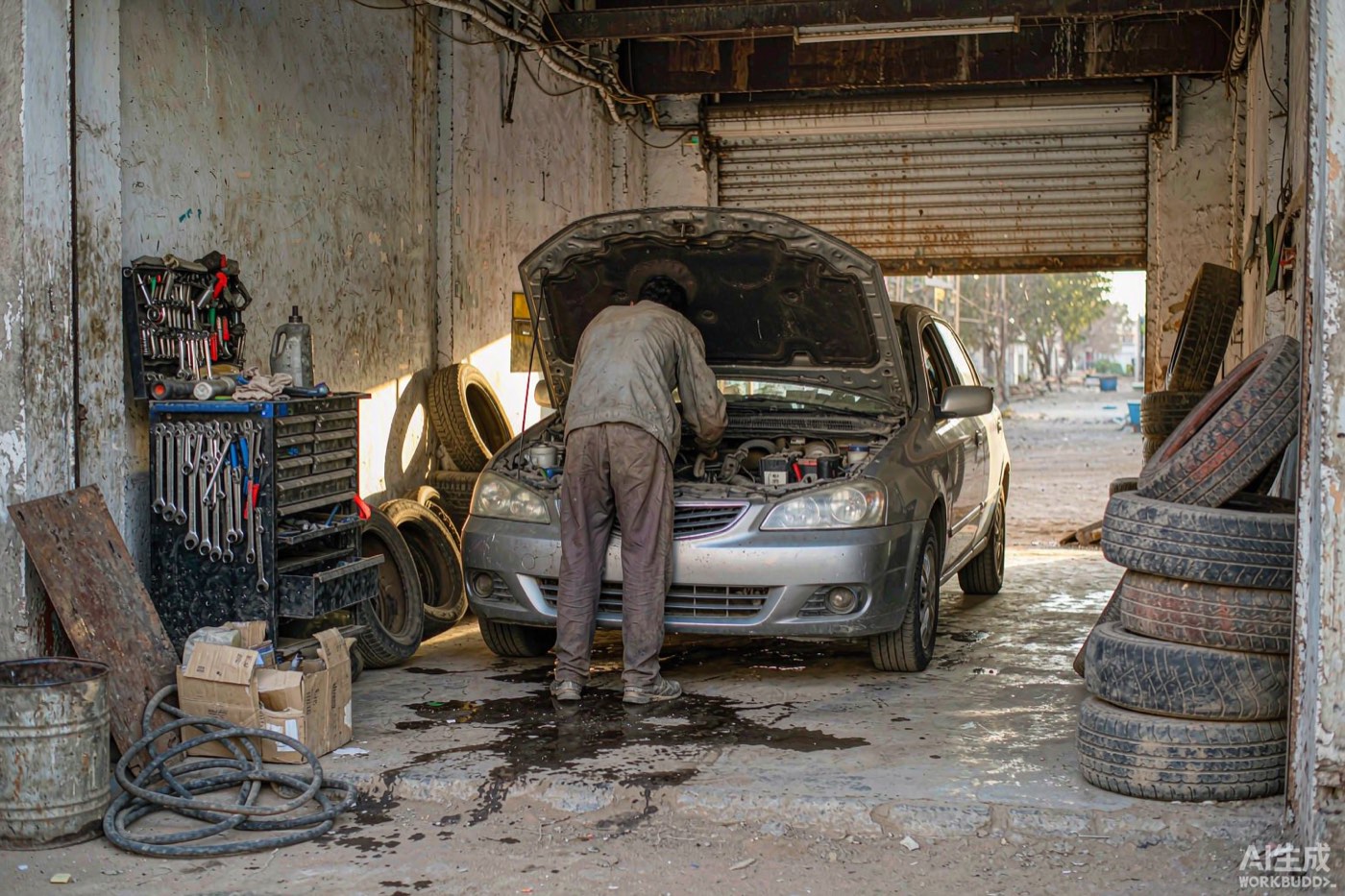
The question we hear most is where the car gets repaired. It breaks into three: is there a licensed workshop, is the failed part available, and can anyone read the fault codes.
"Not repairable" has different causes: mechanical faults stop at parts, electronics stop at authority, body damage stops at tooling. Classify the fault first, then judge whether it can be solved on the spot.
Shang Wu Fa [2024] No. 25 calls for "building an overseas repair service system and adding overseas after-sales service outlets". A harder rule sits in licensing: to apply for a used-vehicle export licence, the file must contain "a legally effective export contract covering after-sales service". Without it, the application does not pass.
In Kenya, NTSA issues the Kenya Garage (KG) licence. The file includes the KRA tax compliance certificate, a criminal record certificate for directors, and NHIF and NSSF compliance, and the application goes through a physical vetting. NTSA also licenses private inspection centres only where they do not carry out repairs, so "our service station can issue the inspection report itself" is a breach in Kenya.
In Ghana the counterpart is the DVLA Trade Licence (DV plate), under Road Traffic Act, 2004 (Act 683) section 45 and Road Traffic Regulations, 2012 (L.I. 2180) regulation 23, which expressly covers repair workshops; the file is a Ghana Card, business registration, SSNIT clearance and GRA tax clearance. Inspection takes place at a designated private vehicle testing station (PVTS), so repair and certification stay separate.
For Zambia we found no national licensing rule for repair workshops. RTSA regulates the vehicle's Certificate of Fitness, not the workshop.
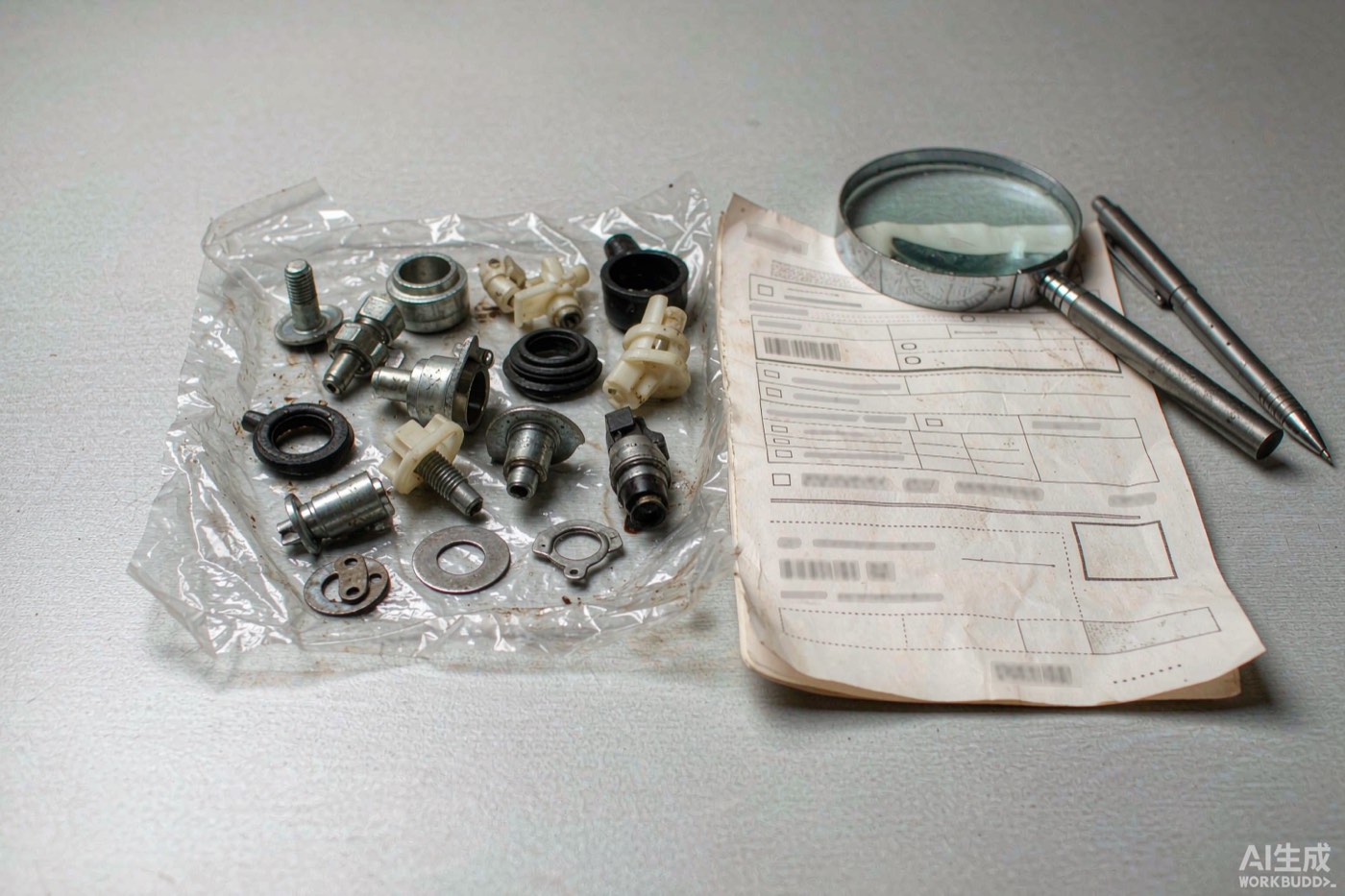
The test is not price. It is three questions: does it need programming, matching or calibration; is it a safety or emissions part; can the OEM part number be cross-referenced to an independent aftermarket part of the same specification.
Engine oil, oil filters, air filters, batteries, belts, water pumps, shock absorbers and glass are usually universal; check the part number against dimensions and certification. ECU, BCM, ADAS cameras and radar, transmission valve bodies, TPMS sensors and body panels are dedicated: the first group needs coding or pairing once fitted, the second is tooling-bound with few alternatives.
Three-step lookup: take the OEM number from the VIN or the plate, trace it to a supplier number, then check the specification table. Only when all three line up is it a substitute; if any item needs a software flash or a matching routine, it cannot be stocked as a universal part.
Stocking priority follows parc size, failure rate and wear cycle: universal parts first, dedicated parts against orders.
Whether repair is hard comes down to three things: a licensed workshop, the dedicated part, and someone who can read the fault codes. With all three, Africa is no different from any emerging market.
Run the landed cost for the destination first; the on-site import duty calculator (/en/duty-calculator) gives a rough figure. For how warranty models are split, see "Buying a Chinese car: how does the warranty work in Africa?".
 Can you train our technicians to repair the cars?Method yes, authority no. Service standards, fault diagnosis, lifting and disassembly, torque values and PDI can be taug
 How do you lock an exchange rate, and who carries it?An exchange rate is not a market question but a sharing question. Only three wordings work: fixed rate, band, or a split
 Which clauses must a purchase contract get right?A contract is not a filled-in template. The CISG does not apply automatically in Nigeria, Kenya, Ghana, Tanzania or Sene
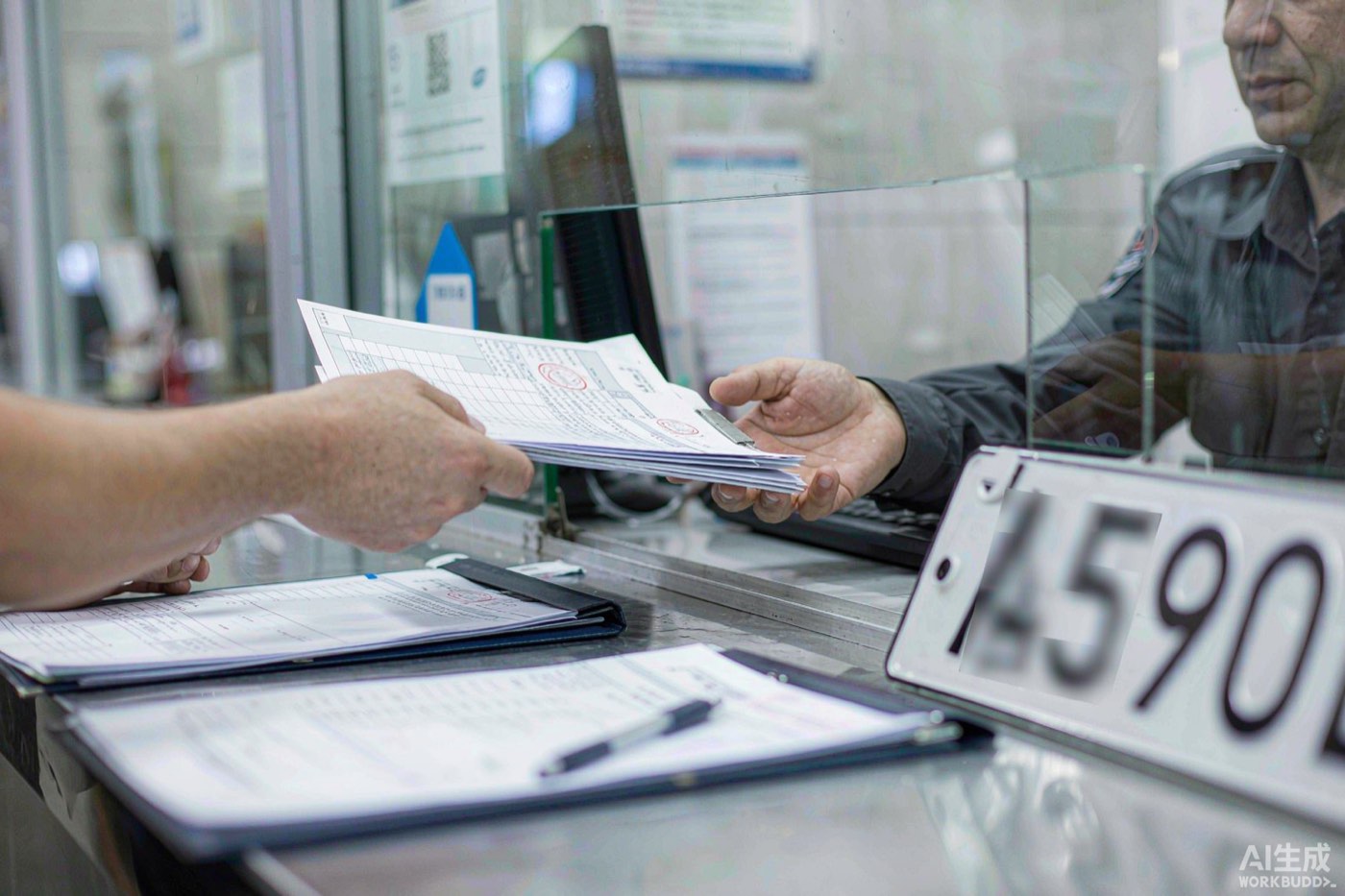
 The car has arrived — how do you register it? What paperwork is neededRegistration is not the last step; it is the acceptance check on duty, admission and local inspection. Ghana's DVLA, Ken
 What does a warranty actually cover? And what does it notThe Chinese three-guarantee rule covers domestic sales only, so exports fall outside it. The term is just the headline;
Message us on WhatsApp for the latest prices and delivery to your country.
WhatsApp us