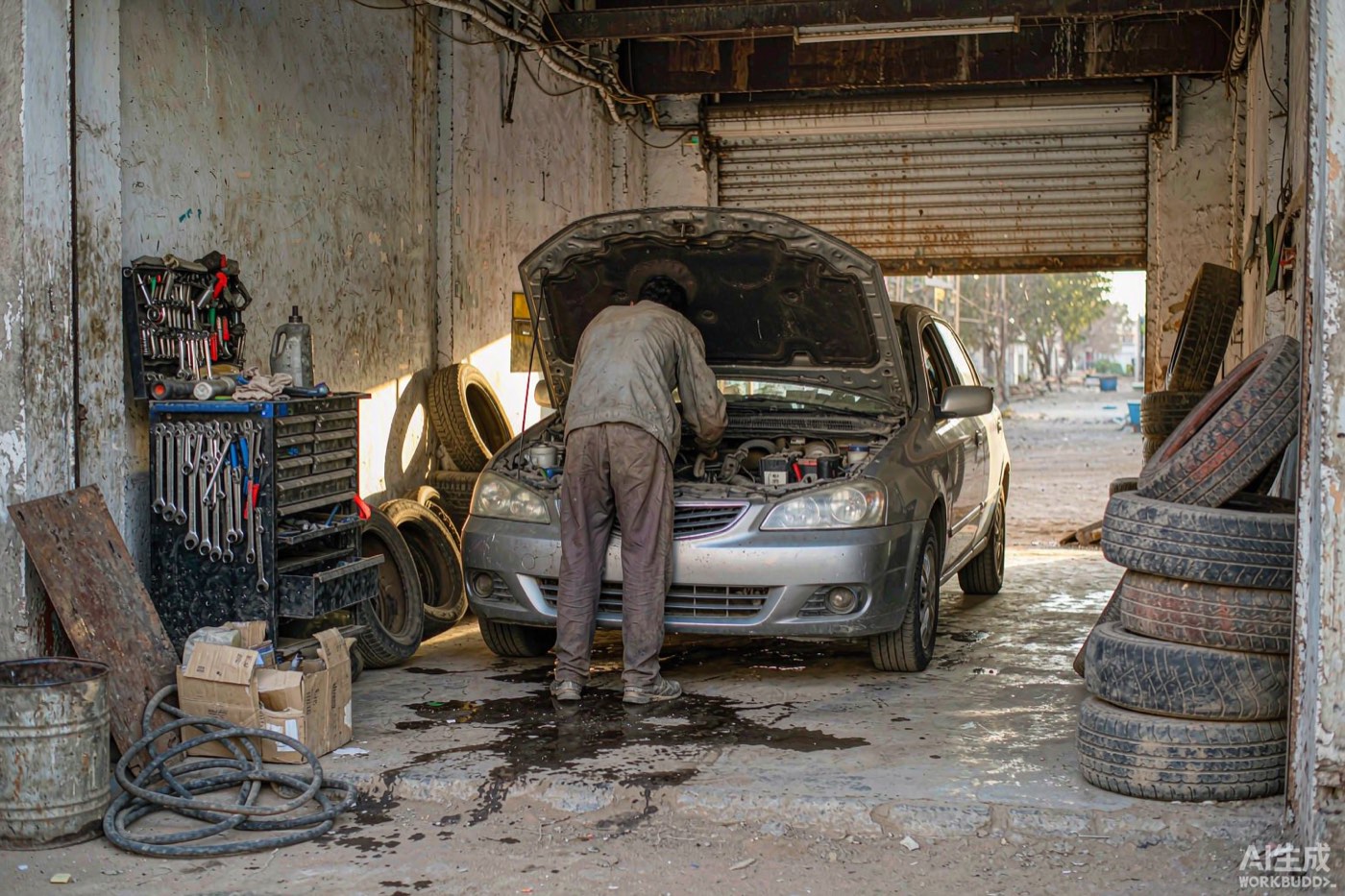
The car is at the port, the duty is paid, and the buyer assumes it can be driven away. What blocks it is usually not the car but the three earlier steps whose paperwork is incomplete.
Registration has no "African uniform process": the authority, the prerequisites and the inspection step differ country by country.
Ghana runs five steps: take the car and the customs documents to a PVTS for inspection and the report; take car and customs file to the DVLA registration centre for verification and release; submit the file for the ownership check; invoice and pay by engine capacity or tonnage; collect the registration number, plates, VRC and roadworthy sticker. The customs original is the starting point, the PVTS report is compulsory, and DVLA only verifies and issues.
Kenya does the whole thing on NTSA's TIMS, now inside eCitizen: enter the KRA PIN, the customs entry number and the chassis number, the system pulls up the vehicle record, choose how to collect the plates and logbook, pay and wait for approval. RFID tag KSh 750, ordinary plates 2050, plates and logbook three working days each; registration duty is paid by engine capacity at the customs stage.
Nigeria files Form MVA01, attaches the duty or exemption certificate and valid insurance, adds a roadworthiness certificate for commercial vehicles, and runs the NVIS check at registration. A customs Form C250 (proof of ownership) is mentioned by several sources, but no official NCS page was found, so follow whatever the clearing customs office requires at the time.
Tanzania is longer: declare and pay at TRA, obtain the TANSAD, run the TBS condition inspection and take the roadworthiness certificate, get TRA release, collect from TPA, then take the registration card. The TRA form requires the customs clearance certificate for imports, a police inspection report for vehicles over 3 years or take-on cases, and SARPCCO certification for imports from SADC.
Second-hand vehicle exports run under a licence: one licence per consignment, at most 20 vehicles under the same commodity code, the quantity applied for must match the customs declaration and clear in one go, and the deregistration must be filed within 2 months of declaration. Miss that window and the system shuts the company out of the next consignment.
The documents that travel with the car are: commercial invoice, packing list, bill of lading, certificate of origin, the second-hand export licence, a third-party inspection report (WM/T 8-2022 or WM/T 9-2022), a declaration of conformity with the destination market's admission standards, an export contract that includes after-sales service, and the vehicle registration certificate endorsed "transfer pending export". No licence requirement was found for new vehicles in ordinary trade, so do not apply the one-licence-per-consignment rule to them. Vehicles with incomplete statutory documents or a failed inspection are barred from export, and they will not register abroad either.
Registration is the step after admission; admission itself is covered in "From October 2026, these used cars cannot enter Ghana". For the landed tax cost, start from the site's import duty calculator at CIF (/en/duty-calculator).
 Can you train our technicians to repair the cars?Method yes, authority no. Service standards, fault diagnosis, lifting and disassembly, torque values and PDI can be taug
 Is it hard to repair a Chinese car in Africa?The hard part is not the repair but finding a licensed workshop and waiting for dedicated parts. Kenya requires a KG lic
 How do you lock an exchange rate, and who carries it?An exchange rate is not a market question but a sharing question. Only three wordings work: fixed rate, band, or a split
 Which clauses must a purchase contract get right?A contract is not a filled-in template. The CISG does not apply automatically in Nigeria, Kenya, Ghana, Tanzania or Sene
 What does a warranty actually cover? And what does it notThe Chinese three-guarantee rule covers domestic sales only, so exports fall outside it. The term is just the headline;
Message us on WhatsApp for the latest prices and delivery to your country.
WhatsApp us