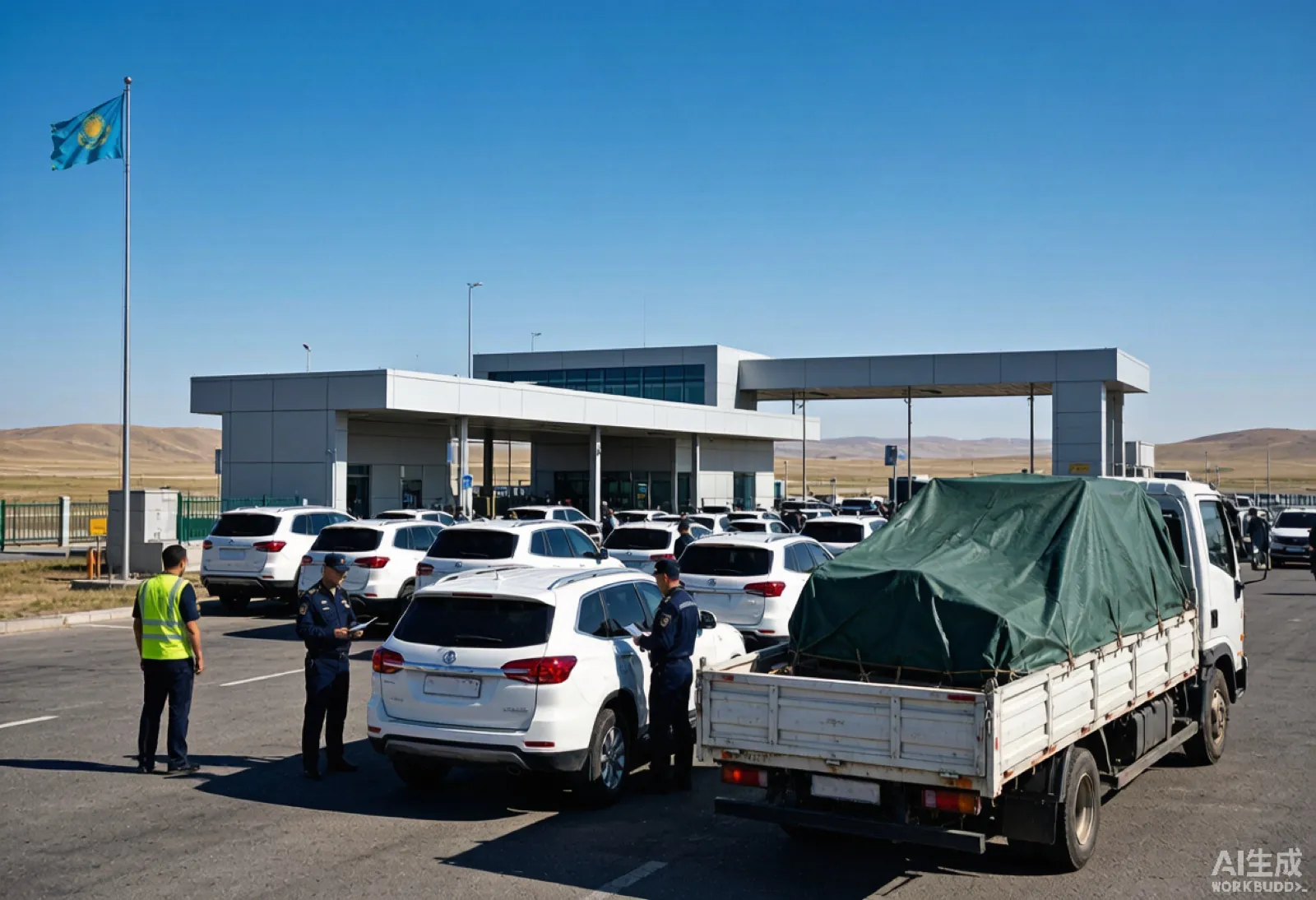
On July 21, 2026, Kazakh Prime Minister Bektenov instructed the Ministry of Finance, together with the Ministry of Industry and Construction, at a government meeting to formulate comprehensive measures to curb illegal car imports within 10 days, and made clear that the new customs management and technical regulation measures must take effect from September 1 this year. Industry and Construction Minister Nagaspayev said the same day that "gray imports" of cars remain a serious problem facing Kazakhstan's automotive industry, hampering the development of the local auto sector, and that the country will take strict measures to curb them while explaining the policy to the public.
Kazakhstan has in recent years been an important transit hub for the Russian market: large numbers of Chinese cars enter the Eurasian Economic Union via Kazakhstan, where goods circulate duty-free within the union, making Kazakhstan a "bridgehead" of gray channels. According to Makasheva, chairwoman of the Kazakhstan Automobile Union, vehicles brought in through unofficial channels often carry legal defects such as liens or theft records, which buyers can hardly verify in advance. The Ministry of Industry has also noted that some companies import vehicles in bulk under individual names to evade the certification and tax obligations imposed on legal entities, depriving the state of customs revenue while flooding the market with improperly registered vehicles. At the same time, the Kazakh authorities remain open to compliant new-energy imports — the zero import duty on pure electric vehicles has been extended to the end of 2027 — in striking contrast to the crackdown on gray channels.
Personal imports for own use remain capped at one vehicle per person per year; in July the State Revenue Committee specifically clarified that current import duties had not been raised and that rumors of a "tariff increase" were unfounded. Industry estimates, however, show that the arbitrage margin for a single gray vehicle transshipped via Kazakhstan to Russia once reached RMB 80,000 to 120,000. Once the September 1 measures take effect, under-declaration, pooling of individual orders and transit-based circumvention will face dual scrutiny from customs enforcement and technical inspection: vehicles must comply with the technical regulations of the Eurasian Economic Union, the full chain of certification, customs declaration and tax payment will be examined item by item, and arbitrage margins are expected to narrow sharply.
For exporters using the "Kazakhstan transit to Russia" route, this corridor is narrowing fast amid the Russian recycling-fee hike, the launch of the SPOT road import declaration system and tightened Kazakh enforcement. The per-vehicle compliance risk of continuing to bet on gray channels rises significantly: if caught, back taxes or even vehicle confiscation could swallow the entire profit. For compliant exporters to Kazakhstan, by contrast, it is a positive — as gray vehicles are gradually cleared from the market, local price order improves, the competitive environment for compliant brands becomes healthier, and the tax-exemption dividend on new-energy models can be fully enjoyed by compliant players.
Exporters should immediately review the compliance of their Kazakhstan-bound and transit business: verify that vehicles meet Kazakh technical and environmental standards, declare and pay taxes properly under a legal-entity identity, and never under-declare prices. Treat September 1 as a deadline — clear existing orders before that date, re-quote prices against the new regulatory expectations, and keep complete documentation for inspection. In the medium and long term, shift to official authorized channels and local assembly partnerships, repositioning Kazakhstan from a "transit springboard" into a direct market worth operating in for the long run.
Source: China News Service / Kazinform / PM Office of Kazakhstan

CPCA data shows Chinese self-owned brands took a 54.9% share of the Russian market in June, but with VAT raised to 22% and the scrappage fee rising to roughly 800,000-900,000 rubles, compounded by the taxi localization law, the era of effortless gains from complete-vehicle exports is over.
→ Read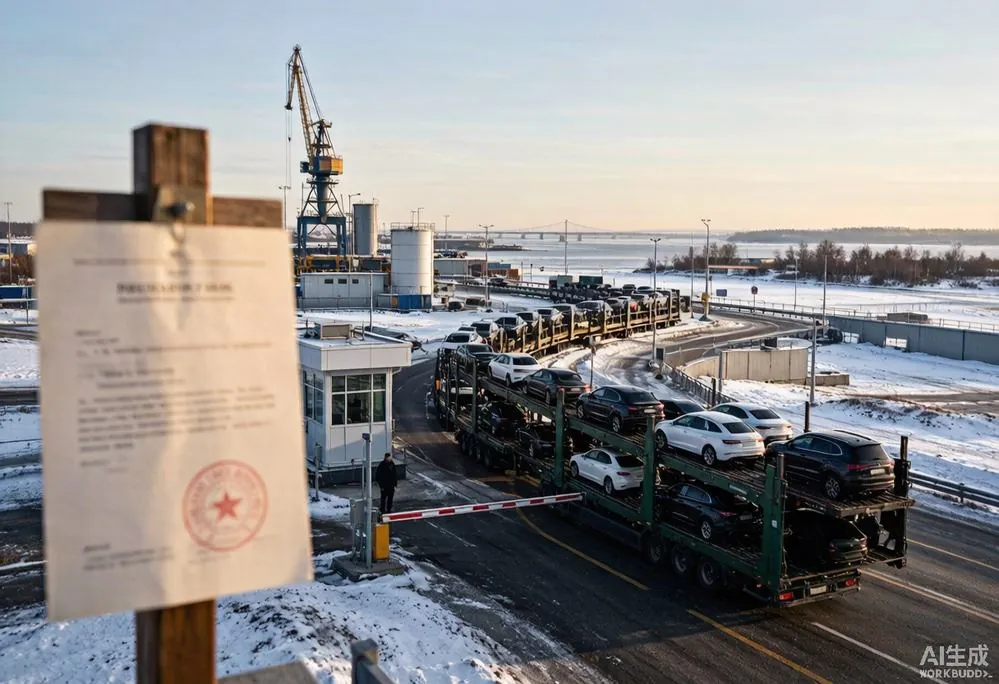
Effective July 1, 2026, Russia has once again raised the recycling fee coefficient for used cars by 18% to 25%. Combined with the cancellation of the low-rate personal import channel in April, gray-market space is being squeezed further, making compliant bulk imports by legal entities the mainstream channel.
→ Read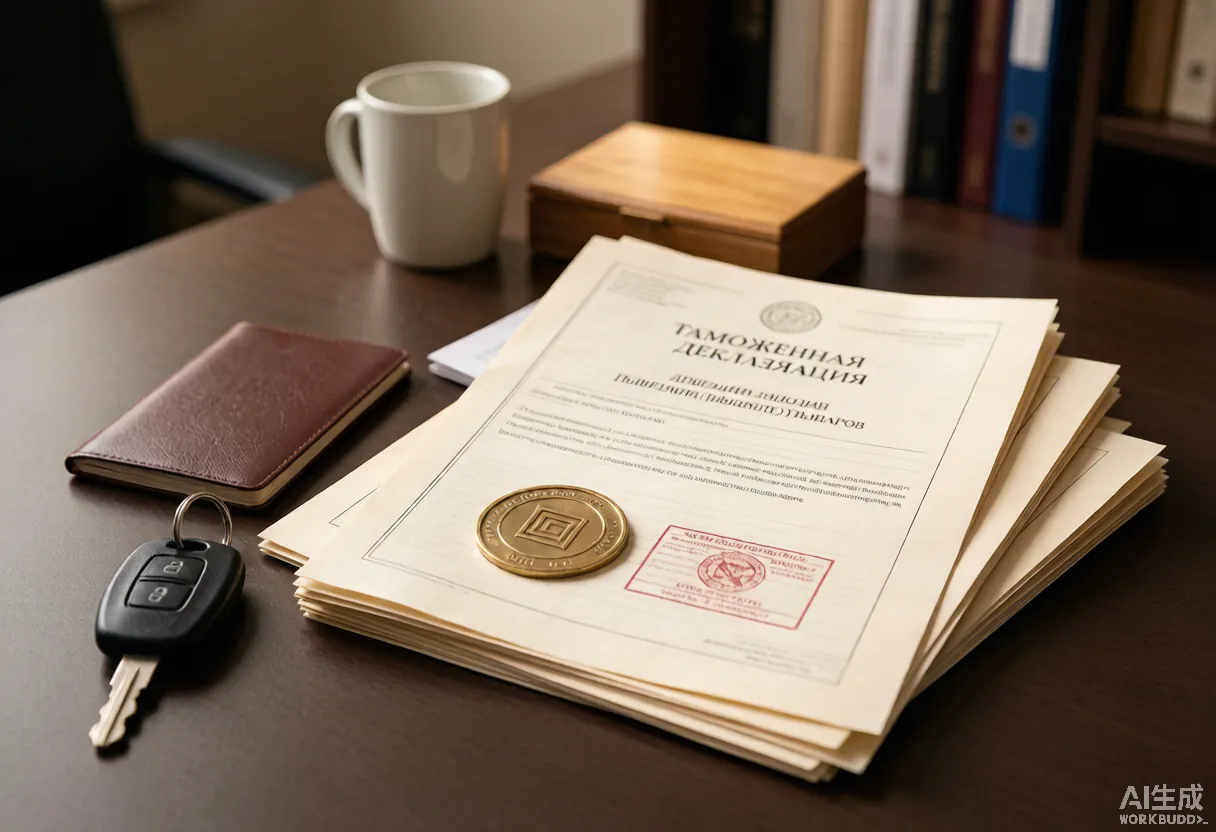
From April 2026 Russia tightened import vehicle certification and customs clearance: new direct-import rules took effect and certification audits are enforced more strictly, leaving compliant importers better off.
→ ReadMessage us on WhatsApp for the latest prices and delivery to your country.
WhatsApp us