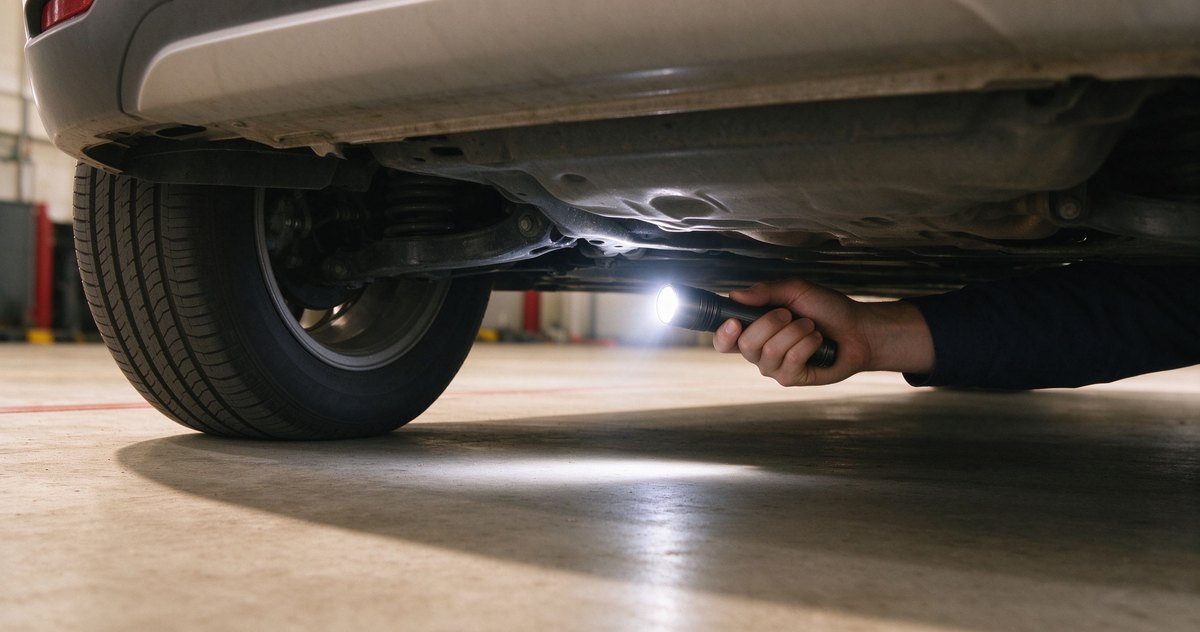
These two markets are often quoted together, yet they handle Chinese used cars in opposite ways. Kenya recognises pre-export certificates from six countries only, and China is not one of them. Tanzania is the reverse: cars from mainland China are certified by CCIC before shipment. Both are called PVoC, but for a Chinese car they are two different chains.
Kenyan used vehicles go through CoR, issued by a contractor authorised by KEBS; KEBS does not inspect the cargo itself. There is one such contractor, QISJ, covering Japan, the UAE, the UK, Singapore, Thailand and South Africa.
China is not among them. A car shipped from China to Mombasa cannot obtain an export-country CoR and goes to destination inspection, where the file qualifies only if it carries three documents: an Interpol clearance certificate, the deregistration certificate or title from the previous country of registration, and the export documents of the country of origin. The second is the one most often missing; Chinese dealers frequently hold only a copy of the registration document.
Official timescales: physical inspection within 4 working days of a complete RFC, certificate within 2 working days for a compliant unit, and the draft confirmed within 48 hours. No change is accepted after issue. These exclude document corrections and berth queues.
Tanzania also runs PVoC, but pre-shipment: it is completed in the export country, and at the port TBS only verifies and stamps the certificate. Used vehicles are certified by a TBS-authorised contractor with a CoC or CoR; mainland China, Hong Kong, China, Macao, China and Taiwan, China sit with CCIC, whose agreement was renewed in April 2022 and expires in April 2027.
The difference matters: for a car going to Tanzania, inspection and certification are finished in China, and the certificate is in hand before the vessel sails. A CoC or CoR is valid for 3 months from the issue date, so production, booking and sailing must all fit inside those 3 months, or it is reissued.
On age, the TBS procedure sets no bar. Above 8 years a car is not excluded, it is taxed more. Under the TRA 2025/2026 schedule, excise duty is 15% for 8 to 10 years and 30% above 10 years (passenger cars under 10 people); four-wheel drives over 5 years seating 10 or more are at 10%.
 Can you train our technicians to repair the cars?Method yes, authority no. Service standards, fault diagnosis, lifting and disassembly, torque values and PDI can be taug
 Is it hard to repair a Chinese car in Africa?The hard part is not the repair but finding a licensed workshop and waiting for dedicated parts. Kenya requires a KG lic
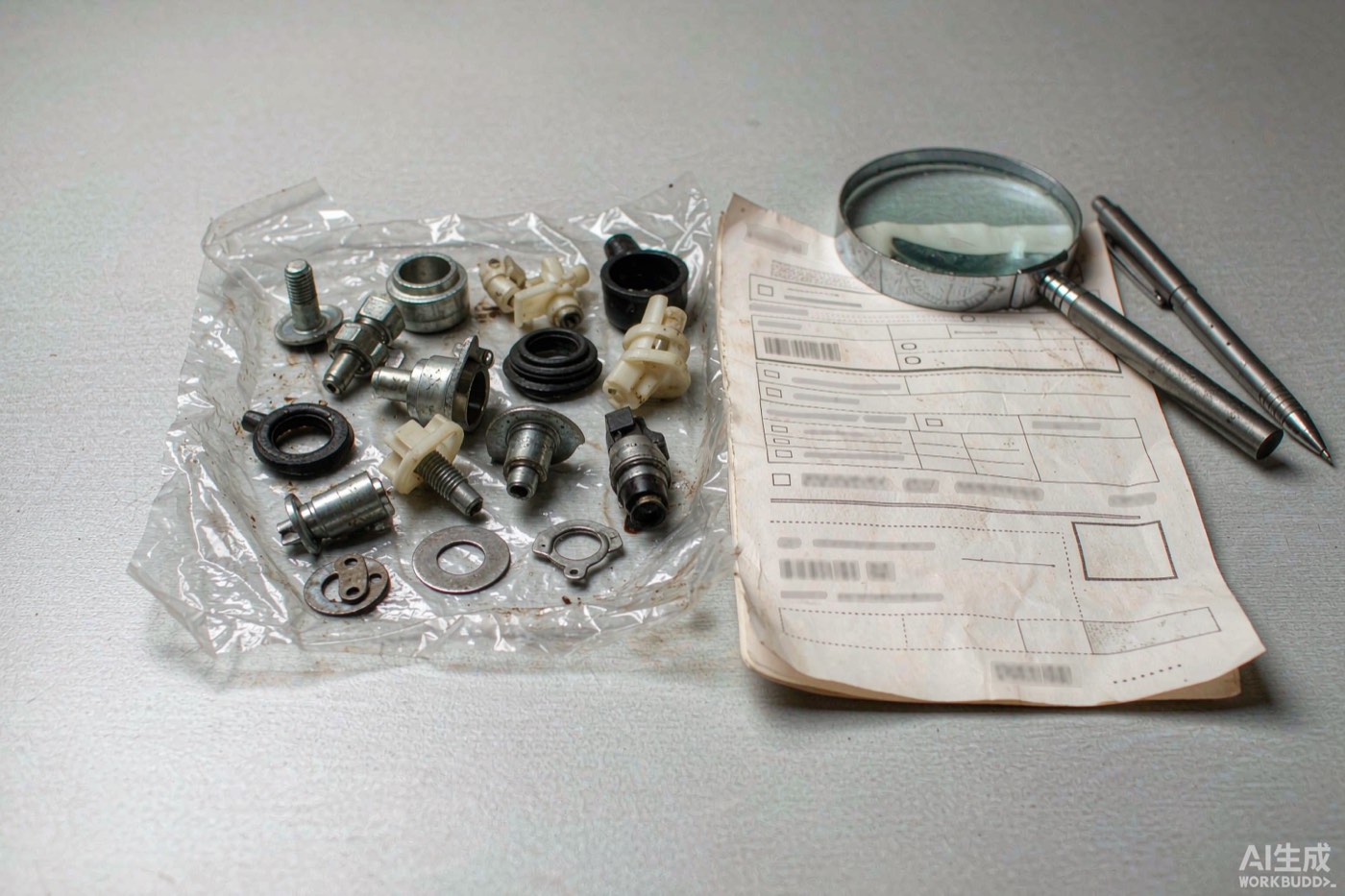 How do you lock an exchange rate, and who carries it?An exchange rate is not a market question but a sharing question. Only three wordings work: fixed rate, band, or a split
 Which clauses must a purchase contract get right?A contract is not a filled-in template. The CISG does not apply automatically in Nigeria, Kenya, Ghana, Tanzania or Sene
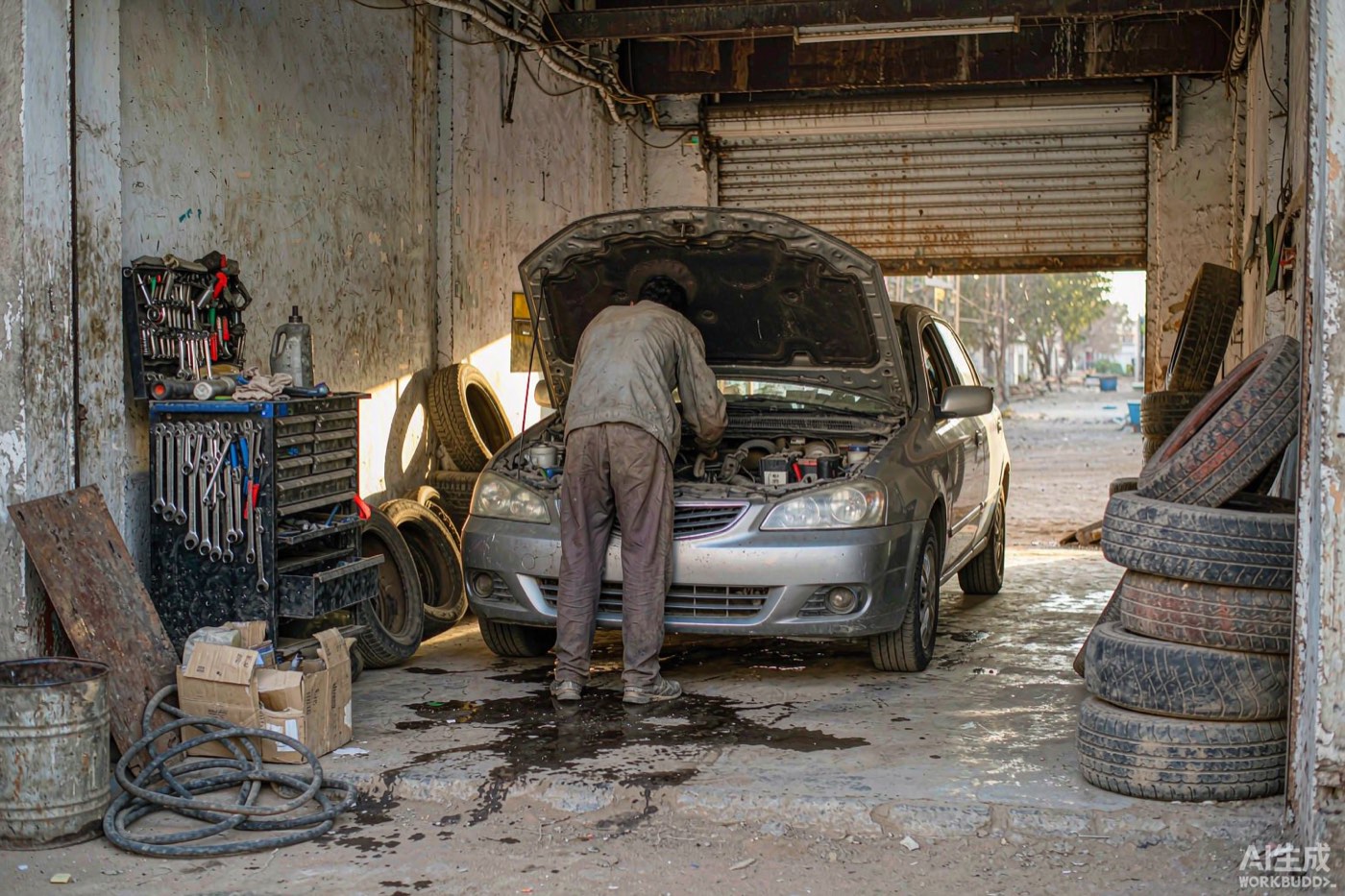 The car has arrived — how do you register it? What paperwork is neededRegistration is not the last step; it is the acceptance check on duty, admission and local inspection. Ghana's DVLA, Ken
Message us on WhatsApp for the latest prices and delivery to your country.
WhatsApp us