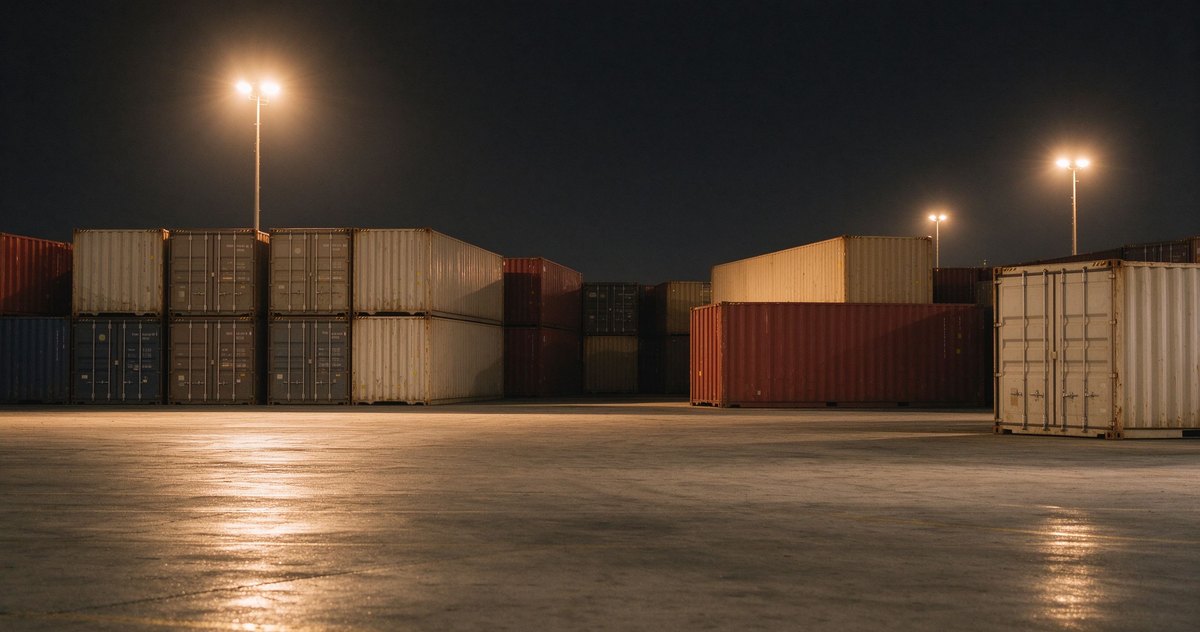
An arrival invoice often shows three lines at once: Demurrage, Detention and Storage. The consignee's first reaction is double charging. The three lines belong to two parties: the terminal bills storage, the carrier bills for a box held too long, and the clocks do not start on the same day.
Maersk states it plainly: Demurrage is what the merchant pays for holding the carrier's container inside the terminal, port or depot beyond the agreed free time; Detention is what it pays for holding it outside those places. The two can be billed separately or merged into Combined D&D, depending on the carrier's local terms.
Free time is not written in the port tariff. It sits in the carrier's local import page, tariff or service contract. Within one country it can differ sharply by box type: on Hapag-Lloyd's Ghana import, transit dry containers get 21 days and reefers 12. So "this port gives 7 days" holds only for one carrier's one box type, not as a port rule.
The two charges can run at once. Hapag-Lloyd's US guide says that wherever possible it lists line demurrage alone and the terminals bill storage to customers independently; only where that is impossible does the carrier invoice line demurrage plus terminal storage as a pass-through. Maersk in some countries folds terminal storage into the Demurrage figure. There is no global answer to whether Demurrage includes storage; only the carrier's local page has it.
Mombasa, KPA 2025-09-15 edition: vehicles get 5 days domestic, 12 transit, 10 transhipment, counted from the day after discharge, including weekends and public holidays, with part of a day counted as a whole.
Dar es Salaam, TPA January 2026 edition: vehicles follow the breakbulk wording, 5 days domestic and 15 transit; the clock starts when the cargo is discharged and posted in the TRA system, not on the day the delivery order is issued. Overstay has two tiers: documents not submitted within 21 days of discharge move the cargo to a customs warehouse; cargo still in the port beyond 90 days is sold under section 29 of the Ports Act.
Dakar, PAD: 7 days for domestic vehicles, 12 for transit vehicles and 20 for transit general cargo, counted from the end of the ship's operations.
Nigeria has three layers. Terminal free storage: TICT publishes 3 days, Lekki LFT's 2026-02-16 edition gives 5, and Apapa ENL V67 gives containers 72 hours. Customs overtime: under the NCS notice of 2025-01-20, cargo cleared within 30 days of arrival is free of overtime constraints; beyond 30 days a CAC may extend by another 30; after 60 days ACG approval is required, and clearance remains possible within 90 days. Beyond 90 days the disposal process starts. Three free days at the terminal does not mean auction on day three.
Ghana adds three figures: about 7 days free storage at the terminal; section 52 of Customs Act 891, under which goods not declared within 7 days of discharge may be moved to a state warehouse; and section 53, under which general cargo at 21 days and vehicles at 60 days are forfeited, entered on the UCL and later auctioned.
Keep tax and storage apart: start with the on-site import duty calculator (/en/duty-calculator), which covers what customs collects and excludes storage and D&D.
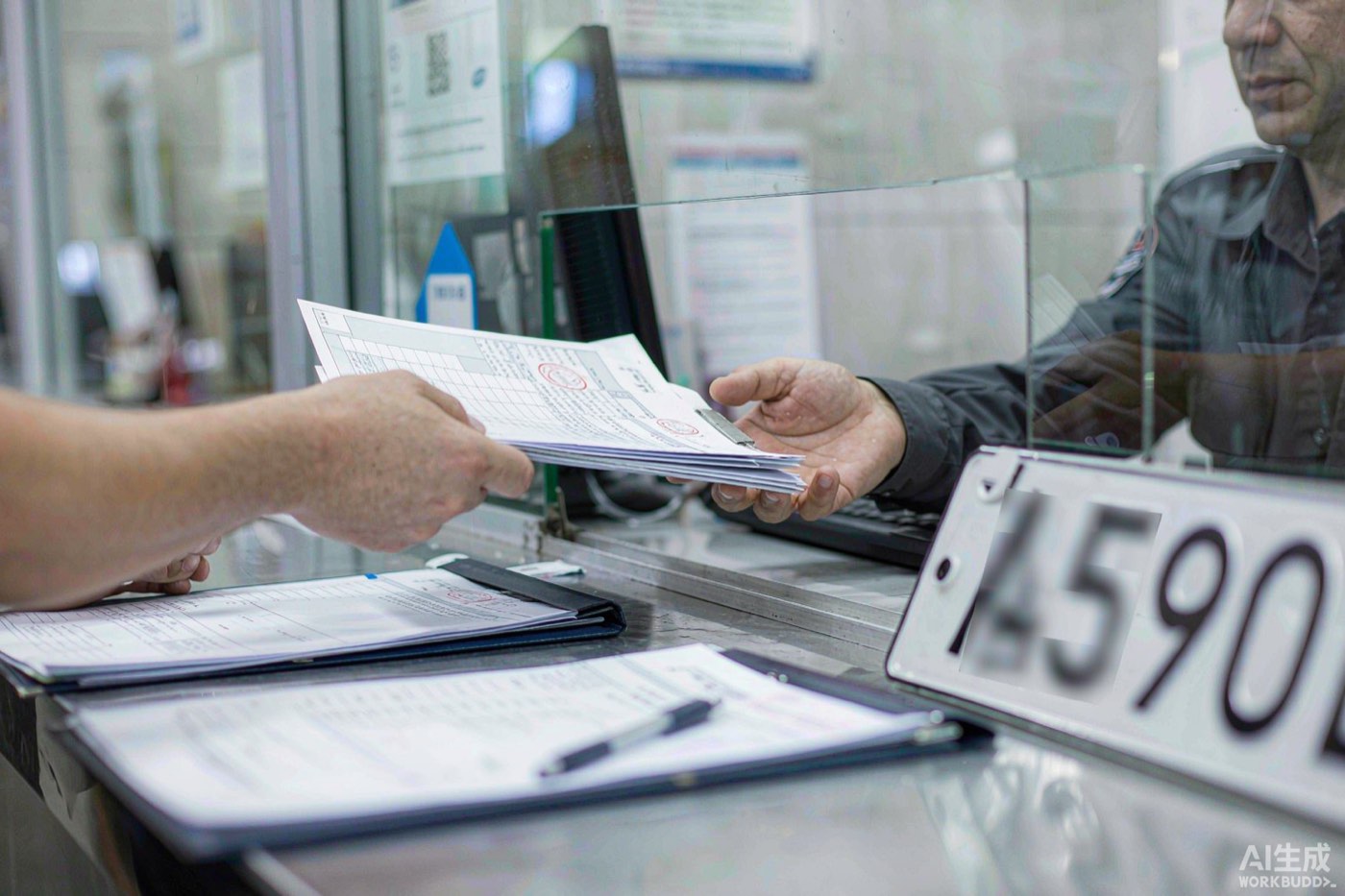 Can you train our technicians to repair the cars?Method yes, authority no. Service standards, fault diagnosis, lifting and disassembly, torque values and PDI can be taug
 Is it hard to repair a Chinese car in Africa?The hard part is not the repair but finding a licensed workshop and waiting for dedicated parts. Kenya requires a KG lic
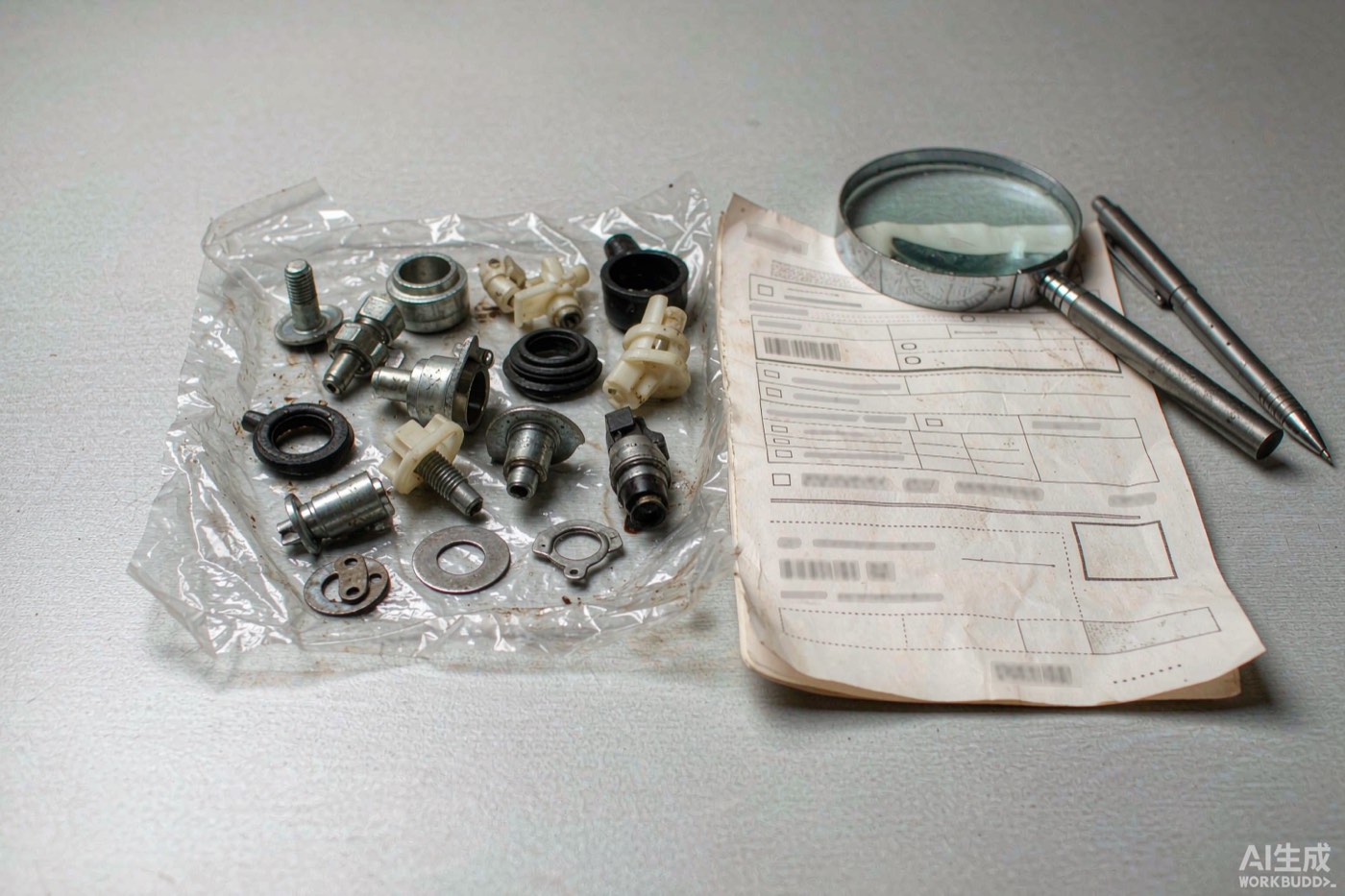 How do you lock an exchange rate, and who carries it?An exchange rate is not a market question but a sharing question. Only three wordings work: fixed rate, band, or a split
 Which clauses must a purchase contract get right?A contract is not a filled-in template. The CISG does not apply automatically in Nigeria, Kenya, Ghana, Tanzania or Sene
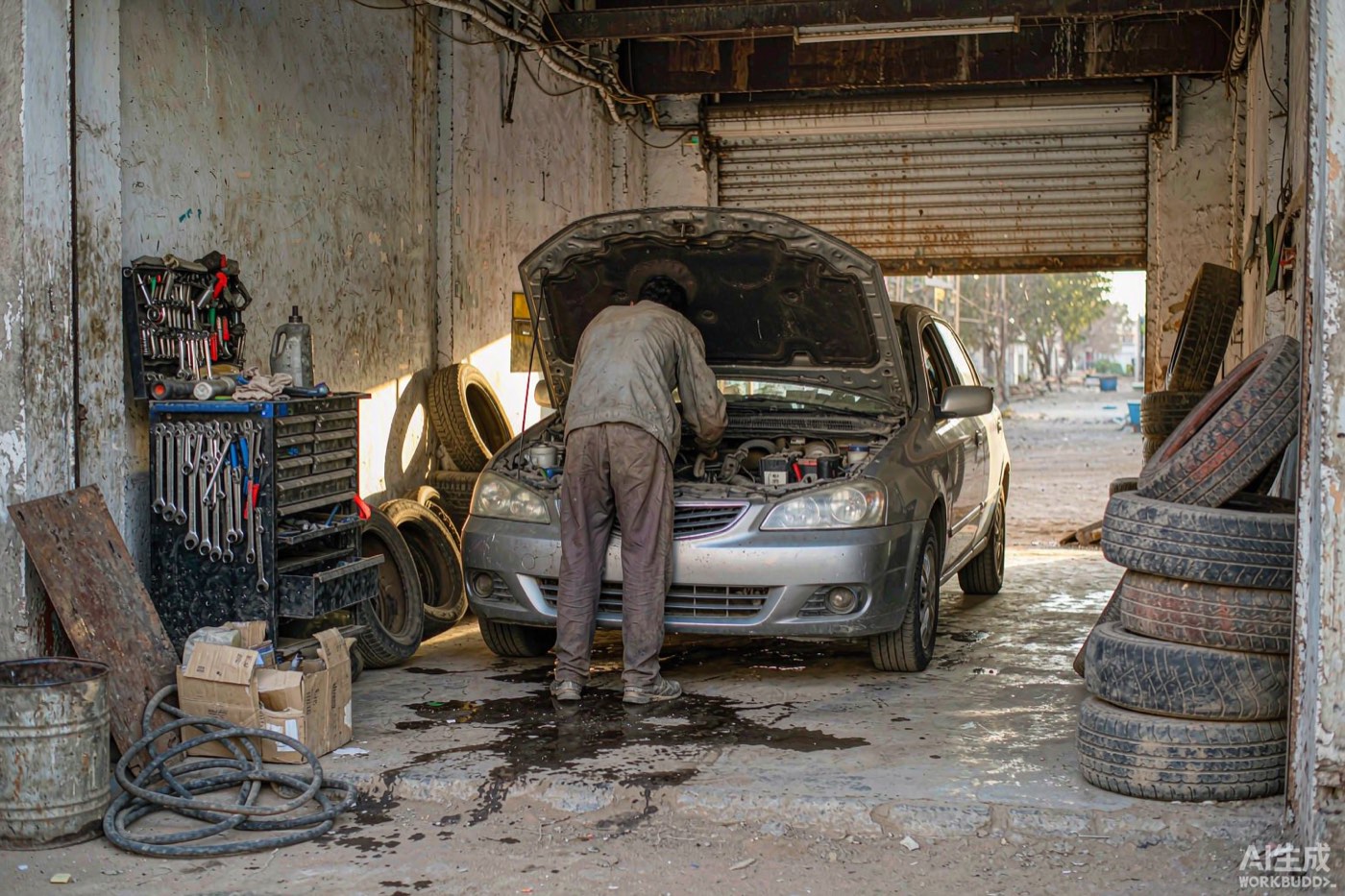 The car has arrived — how do you register it? What paperwork is neededRegistration is not the last step; it is the acceptance check on duty, admission and local inspection. Ghana's DVLA, Ken
Message us on WhatsApp for the latest prices and delivery to your country.
WhatsApp us