A buyer asks whether T/T or a letter of credit is safer. The question is aimed one step too late: the instrument decides how the money travels, the buyer's ability to pay decides whether it travels at all. Most deals die not at the issuing bank but at the foreign exchange quota.
Article 4 separates the credit from the underlying contract, and the bank is not bound by it. Article 5 says banks deal with documents, not with the goods the documents may relate to. Article 14 requires only that documents appear on their face to comply. Article 34 frees the bank from liability for the authenticity of documents and for the condition of the goods. Together they say one thing: a credit protects compliance, not the cargo.
A soft clause rewrites that boundary. In the 2004 Hunan Hualong case, the credit required the applicant's signature to match the specimen held by the issuing bank; the receipt tendered bore a different seal, the bank refused, and the court held the refusal proper. Formally still a credit, in substance conditional commercial credit.
Nigeria: Form M is a statutory document and must be raised at an authorised dealer bank whether or not foreign exchange is involved. It must be approved before shipment, not at arrival, and the bill of lading must show the Form M number. Get the order wrong and every later step is a repair job.
Ghana: under the Foreign Exchange Act 2006, Act 723 (not 712), authorised dealer banks must verify that the trade is genuine; in practice the invoice, the bill of lading and the CCVR generated in ICUMS must agree.
China adds its own gate: SAFE Circular 2024 No.11 moved registration on the foreign exchange receipts and payments list to the domestic bank from 1 June 2024, to be completed before the first receipt or payment; outside the list, banks in principle may not handle goods trade receipts and payments. For where to split the payment nodes, see "First cooperation: how to avoid a runaway order".
No instrument is better in the abstract, only better matched. The one that works is the one where the country can pay, the amount can bear it and the documents can control it. To size what the deal leaves you, run the CIF figure through the site's import duty calculator (/en/duty-calculator) first, then decide what to give away on terms.
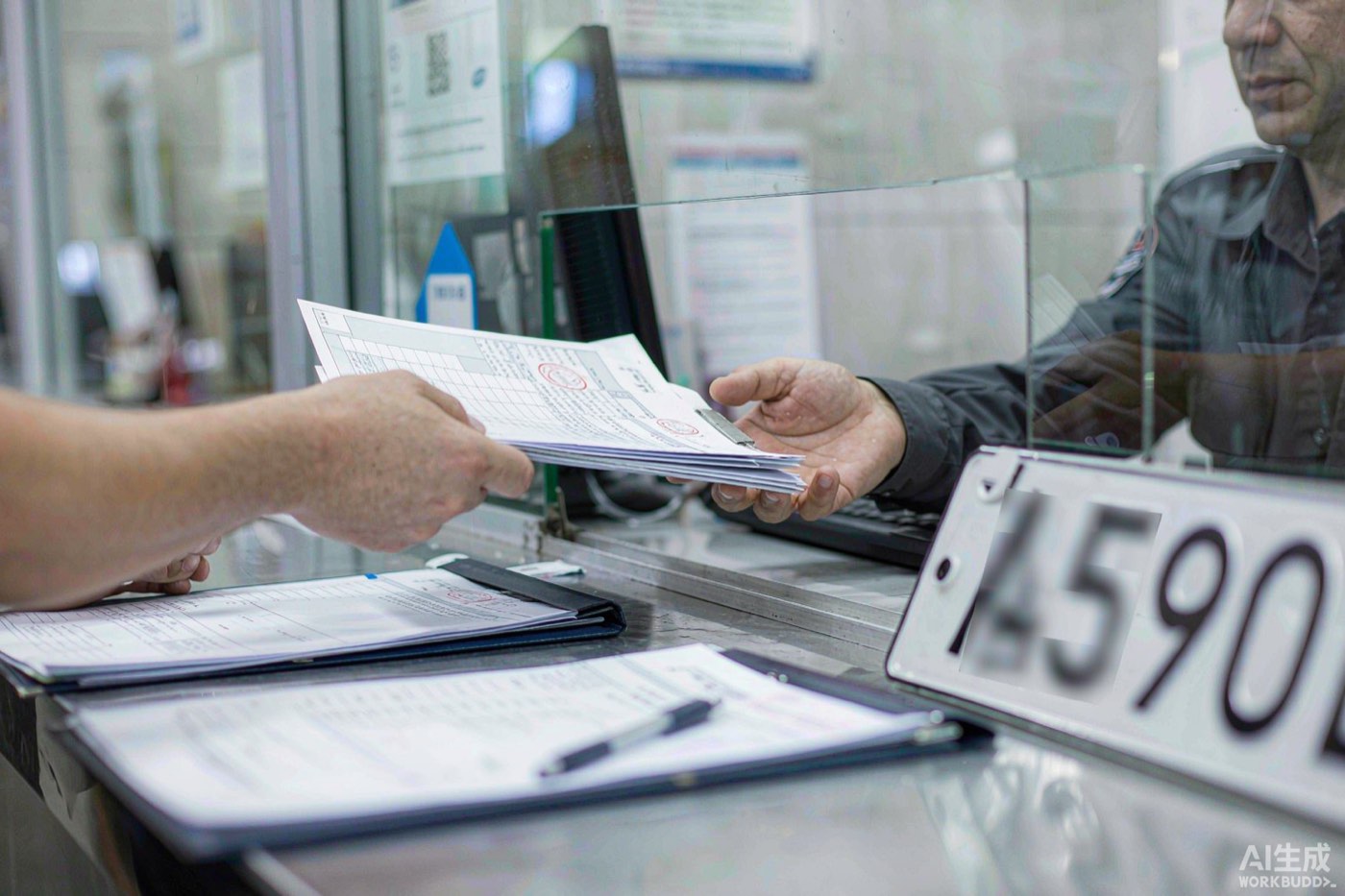 Can you train our technicians to repair the cars?Method yes, authority no. Service standards, fault diagnosis, lifting and disassembly, torque values and PDI can be taug
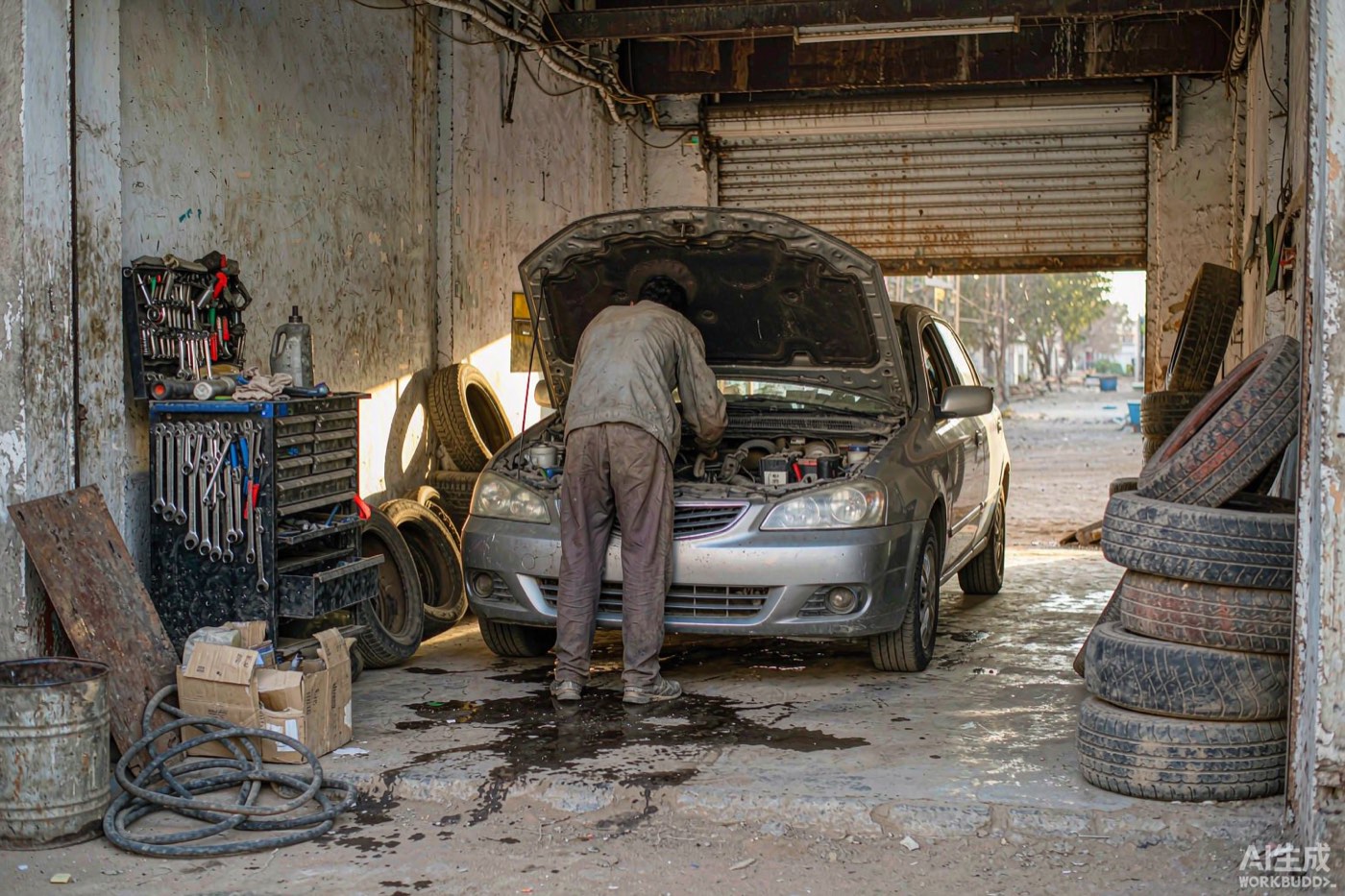
 Is it hard to repair a Chinese car in Africa?The hard part is not the repair but finding a licensed workshop and waiting for dedicated parts. Kenya requires a KG lic
 How do you lock an exchange rate, and who carries it?An exchange rate is not a market question but a sharing question. Only three wordings work: fixed rate, band, or a split
 Which clauses must a purchase contract get right?A contract is not a filled-in template. The CISG does not apply automatically in Nigeria, Kenya, Ghana, Tanzania or Sene
 The car has arrived — how do you register it? What paperwork is neededRegistration is not the last step; it is the acceptance check on duty, admission and local inspection. Ghana's DVLA, Ken
Message us on WhatsApp for the latest prices and delivery to your country.
WhatsApp us