
Russia's recycling fee is collected by Customs at clearance, and the vehicle is not released until it is paid. Its formula differs from duty and VAT, so the three have to be calculated separately.
The amount payable is the base rate multiplied by the coefficient.
The base rate is fixed: 20000 roubles per passenger car, used included; 150000 roubles for trucks, buses and trailers; 172500 roubles for tractors and construction machinery. That layer has run on Government Decree No. 1291 of 26 December 2013.
The variable is the coefficient. From 1 December 2025 the method changed: it used to look only at displacement, age and use; now the band is set by engine type and displacement, and the coefficient rises with engine power. Battery-electric and series hybrids are assessed on 30-minute maximum power; other hybrids on combustion power plus the motor's 30-minute maximum.
The schedule has more than a dozen bands and changes with each decree, so the schedule in force governs.
The fee ignores price. Duty and VAT follow the declared value, so a lower value means lower tax; the fee looks only at displacement, power, age and use. Declare the car at one dollar and the fee does not move.
The three sit side by side and cannot offset one another; indirect taxes a company has already paid on an EAEU import do not enter the fee base either.
Personal use at or below 160 hp keeps the reduced band: 3400 roubles new, 5200 roubles over 3 years, coefficients of 0.17 and 0.26, unchanged for five years.
Above 160 hp the commercial basis applies and the cost jumps by one to two orders of magnitude. Declaring in a private name and reselling afterwards is treated as a commercial import.
From 1 April 2026, vehicles routed into Russia through other EAEU states (Kyrgyzstan, Belarus, Armenia, Kazakhstan) are subject to the same formula even when imported by an individual. The Ministry of Industry and Trade says this raises no coefficient and adds no new charge.
The fee is banded at under 3 years and over 3 years, and the over-3 coefficient is markedly higher, which makes it the main cost variable for a used car.
Russia sets no nationwide age cap on imports: an old car is not barred, it simply costs more in this band. Government Decree No. 1065, in force from 1 August 2025, raised coefficients for heavy machinery, trailers and buses; passenger cars fall outside it.
EAC certification decides whether a car may enter; the recycling fee decides what entry costs. The two are unrelated. For choosing between OTTC and SBKTS, see the article on this site, Russia EAC certification: OTTC or SBKTS, which route applies?
Power and displacement are the values most often entered wrongly. A first pass with the duty calculator on this site (/en/duty-calculator) fixes the order of magnitude, and the broker then applies the current coefficients.
 Can you train our technicians to repair the cars?Method yes, authority no. Service standards, fault diagnosis, lifting and disassembly, torque values and PDI can be taug
 Is it hard to repair a Chinese car in Africa?The hard part is not the repair but finding a licensed workshop and waiting for dedicated parts. Kenya requires a KG lic
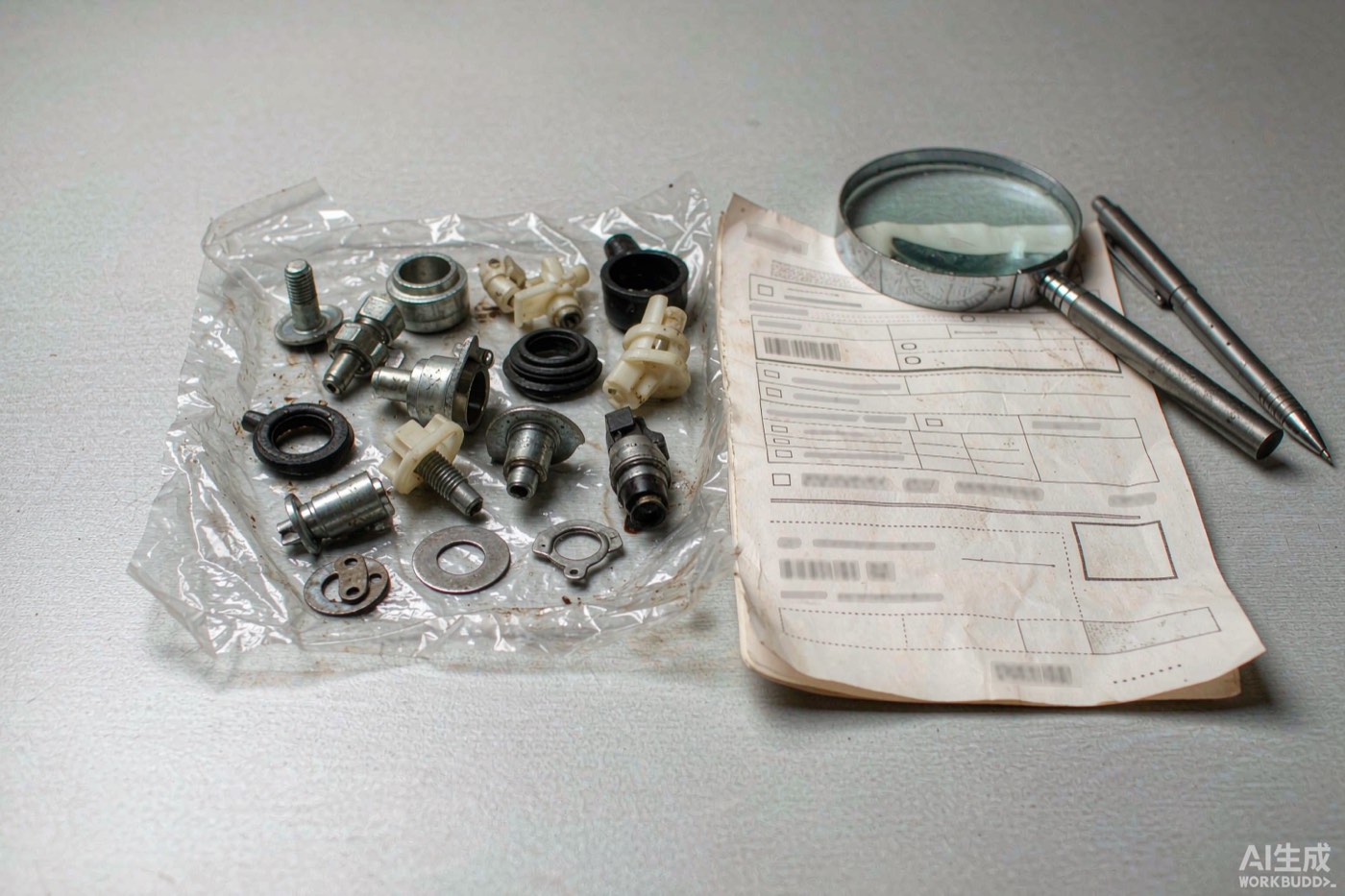 How do you lock an exchange rate, and who carries it?An exchange rate is not a market question but a sharing question. Only three wordings work: fixed rate, band, or a split
 Which clauses must a purchase contract get right?A contract is not a filled-in template. The CISG does not apply automatically in Nigeria, Kenya, Ghana, Tanzania or Sene
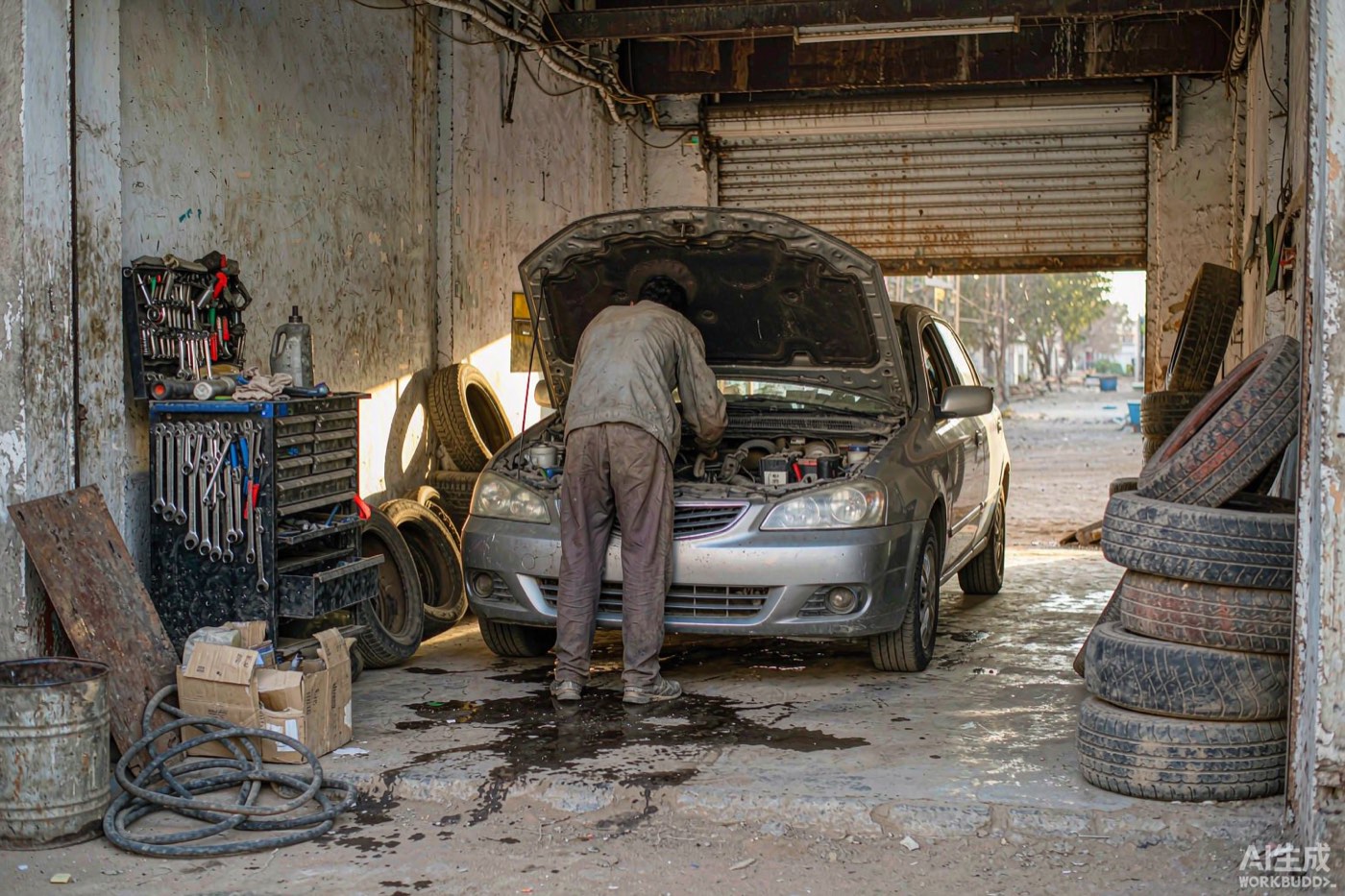 The car has arrived — how do you register it? What paperwork is neededRegistration is not the last step; it is the acceptance check on duty, admission and local inspection. Ghana's DVLA, Ken
Message us on WhatsApp for the latest prices and delivery to your country.
WhatsApp us