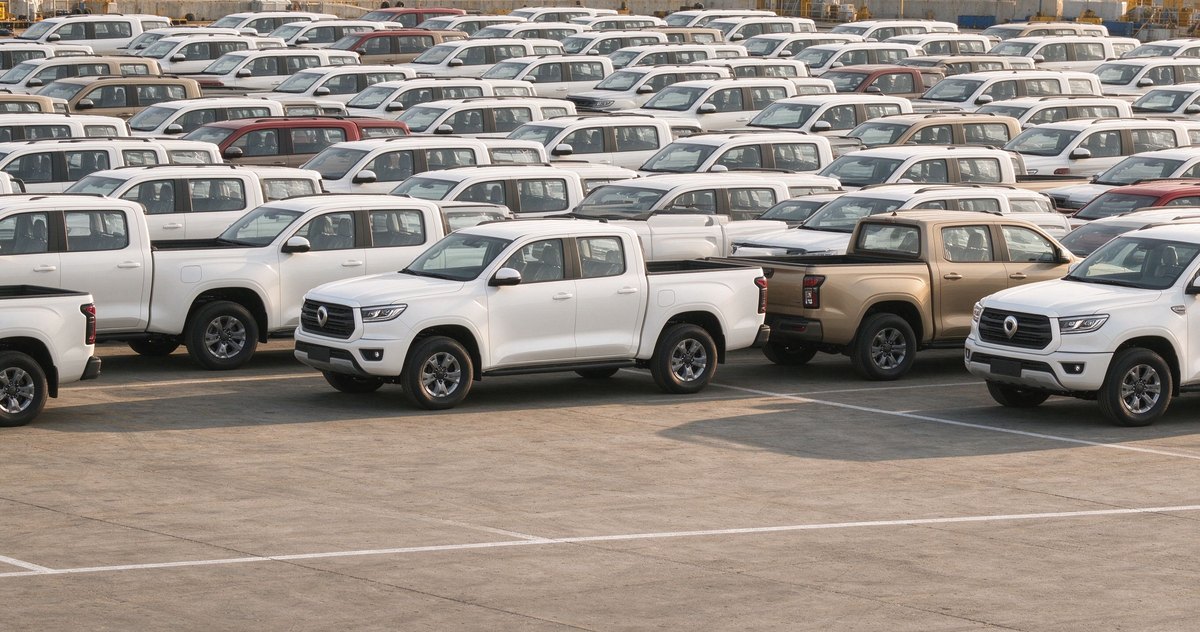
Ask a customer how many days to Mombasa and the question is really about delivery, not sailing. The carrier can only answer the sea leg; the other three sit with you: waiting for the ship, the free-time window at the port, and clearance and pickup.
Mombasa runs on the KPA tariff effective 15 September 2025. Local import boxes get the first 5 consecutive days free, transit boxes the first 15; vehicles have their own table: 5 days local, 12 transit, 10 transhipment. The clock starts at 00:01 the day after discharge, free days run consecutively and include Saturdays, Sundays and public holidays, and part of a day counts as a whole day.
Dar es Salaam runs on the TPA tariff, January 2026 edition. Local import FCL gets 5 days, transit 15, and the clock needs two conditions together: discharge, and posting in the TRA system. A release note does not start it. TPA has no per-unit vehicle rate; RoRo vehicles are treated as breakbulk, 5 days local and 15 transit, with overrun charged per port ton.
Overrun consequences differ too. In Dar, import cargo without the required documents 21 days after discharge moves to a customs warehouse; beyond 90 days it is sold under section 29 of the Ports Act. In Mombasa, overrun simply means storage rising per unit per day.
Waiting for the ship is the leg most often ignored. Space confirmation, booking approval for electric vehicles, and the order of licence and test reports all push the sailing back; there is no official time limit here, only the carrier's current space confirmation.
The sea leg is the only one that can be quoted, and only as a range, subject to the carrier's current schedule. Transhipment and seasonal congestion move the range, and any fixed number written into a quote will be held against you at execution.
The free-time window is a hard deadline. Mombasa counts from the day after discharge, Dar waits for TRA posting, and both include weekends and holidays. Overrunning that box costs money, and no explanation removes it.
Clearance and pickup take their own days: documents, duty, delivery order, drayage. Admission and sailing are two separate lines: used-car certification in Kenya and Tanzania has its own thresholds, and the site article on why Chinese cars cannot obtain a CoR covers admission, not transit time.
Put the four legs into the quote separately and the customer can see which one can be compressed and which cannot. To size the landed cost, run the CIF figure through the site's import duty calculator (/en/duty-calculator) first, then plan sailing and pickup.
 Can you train our technicians to repair the cars?Method yes, authority no. Service standards, fault diagnosis, lifting and disassembly, torque values and PDI can be taug
 Is it hard to repair a Chinese car in Africa?The hard part is not the repair but finding a licensed workshop and waiting for dedicated parts. Kenya requires a KG lic
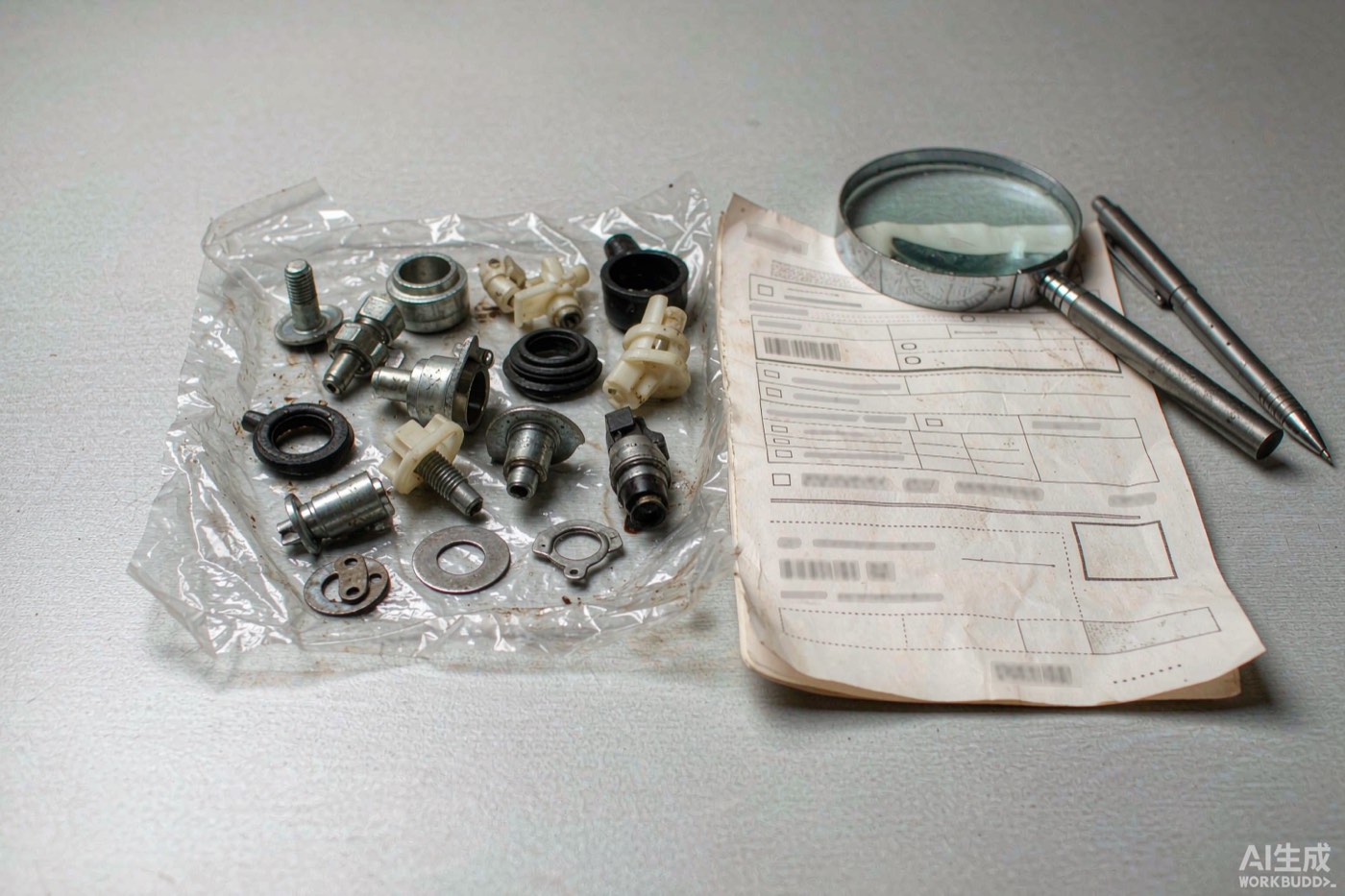 How do you lock an exchange rate, and who carries it?An exchange rate is not a market question but a sharing question. Only three wordings work: fixed rate, band, or a split
 Which clauses must a purchase contract get right?A contract is not a filled-in template. The CISG does not apply automatically in Nigeria, Kenya, Ghana, Tanzania or Sene
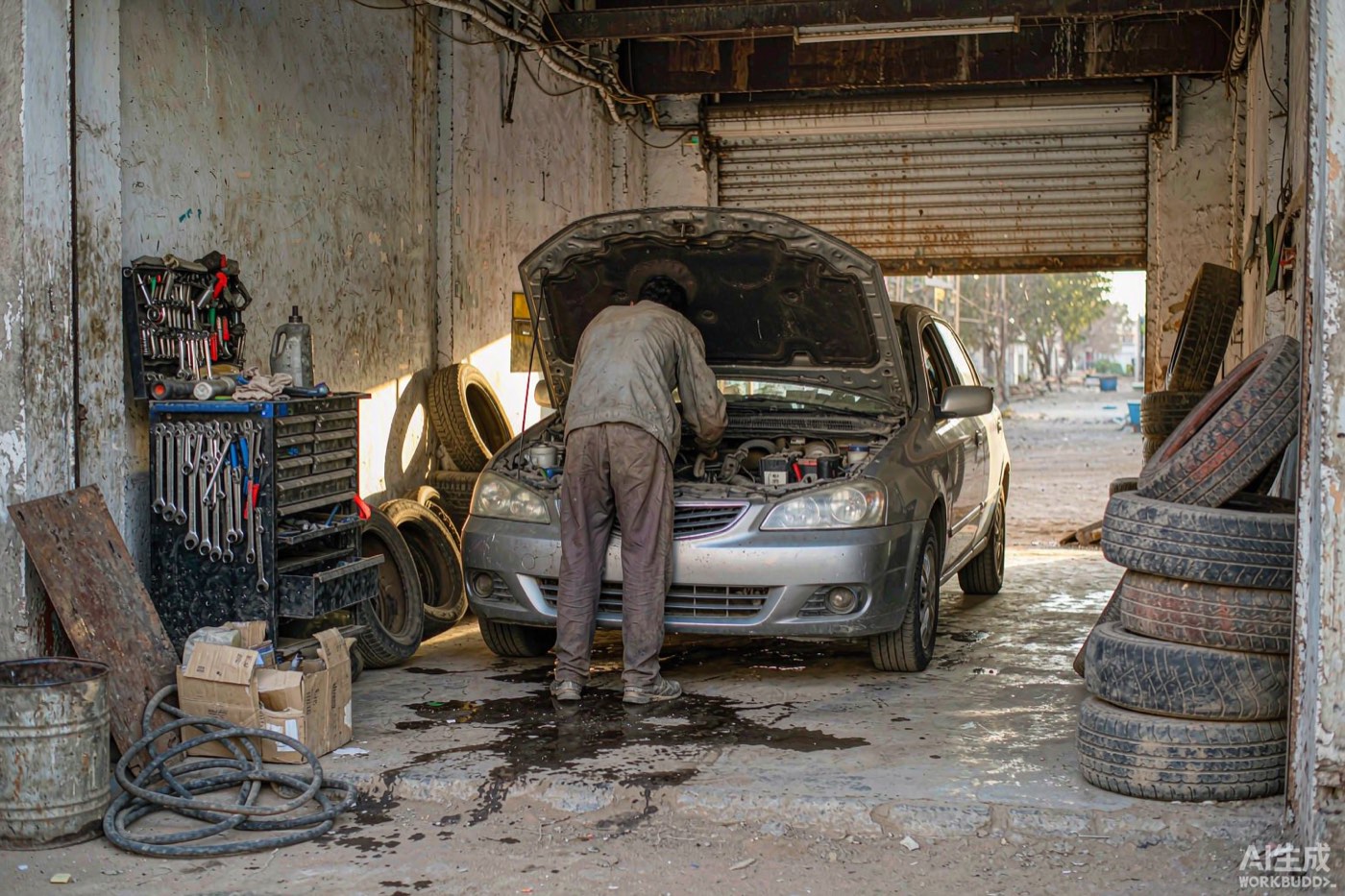 The car has arrived — how do you register it? What paperwork is neededRegistration is not the last step; it is the acceptance check on duty, admission and local inspection. Ghana's DVLA, Ken
Message us on WhatsApp for the latest prices and delivery to your country.
WhatsApp us