
Kuwait and the UAE are usually asked about together, because both apply the GCC common customs tariff and both charge 5% on complete vehicles. One level down they part company: Kuwait has no VAT today, the UAE does, also at 5%.
The GCC common external tariff sets a 5% base rate, and passenger cars fall in that band. The base is CIF — value plus freight plus insurance. Beyond that band there is no other turnover tax at import.
On VAT, be precise. Kuwait signed the GCC VAT framework in 2016 and committed to a 5% rate, but domestic legislation has never been completed, and the four-year fiscal plan for 2026 to 2030 does not include it. Kuwait and Qatar are now the only Gulf states without VAT.
The correct wording is: agreement signed, no legislation, not implemented. Not "legislation passed but not applied" — there is no legal text. Nor "VAT from a given year" — there is no official timetable. Adding a VAT line to a Kuwaiti quotation raises your price by 5% for nothing.
The UAE stacks two layers at import. The first is 5% duty on CIF. The second is 5% VAT on CIF plus duty, in force since 1 January 2018.
Take a CIF value of 20000 dollars: duty is 1000, VAT is 5% of 21000, or 1050, and the import total is 2050, about 10.25% of CIF. That figure is safe to quote because it covers the import stage only, not clearance fees or inland transport.
What matters is who pays the second layer. An importer registered for VAT treats the 1050 as input tax and offsets it against later sales, so the real burden is the 1000 duty, 5% of CIF. A private importer, or a buyer not registered for VAT, cannot recover the 1050, and 10.25% is the whole cost.
That difference is easily missed in a quotation: the same 10.25% means different things to a wholesaler and to an end user. Quote a business buyer at 10.25% and you sit five points above the market, which their finance team will spot.
Both markets tax lightly, but whether a car may enter has nothing to do with the rate.
Kuwait handles conformity through the Public Authority for Industry (PAI), and non-GCC-spec vehicles must be modified and re-certified. The UAE handles it through the Ministry of Industry and Advanced Technology (MOIAT): an ECAS or GCC certificate of conformity is required before clearance and registration, and China-spec cars usually need changes to cooling, lighting and the speed limiter. Emission thresholds are tightening in both, so confirm by model year.
These are admission costs, not taxes, and folding them into a tax rate distorts the number.
Splitting freight from insurance is where most errors start. You can run a first pass with the duty calculator on this site (/en/duty-calculator), then hand the range to a broker to check against the current tariff.
 Can you train our technicians to repair the cars?Method yes, authority no. Service standards, fault diagnosis, lifting and disassembly, torque values and PDI can be taug
 Is it hard to repair a Chinese car in Africa?The hard part is not the repair but finding a licensed workshop and waiting for dedicated parts. Kenya requires a KG lic
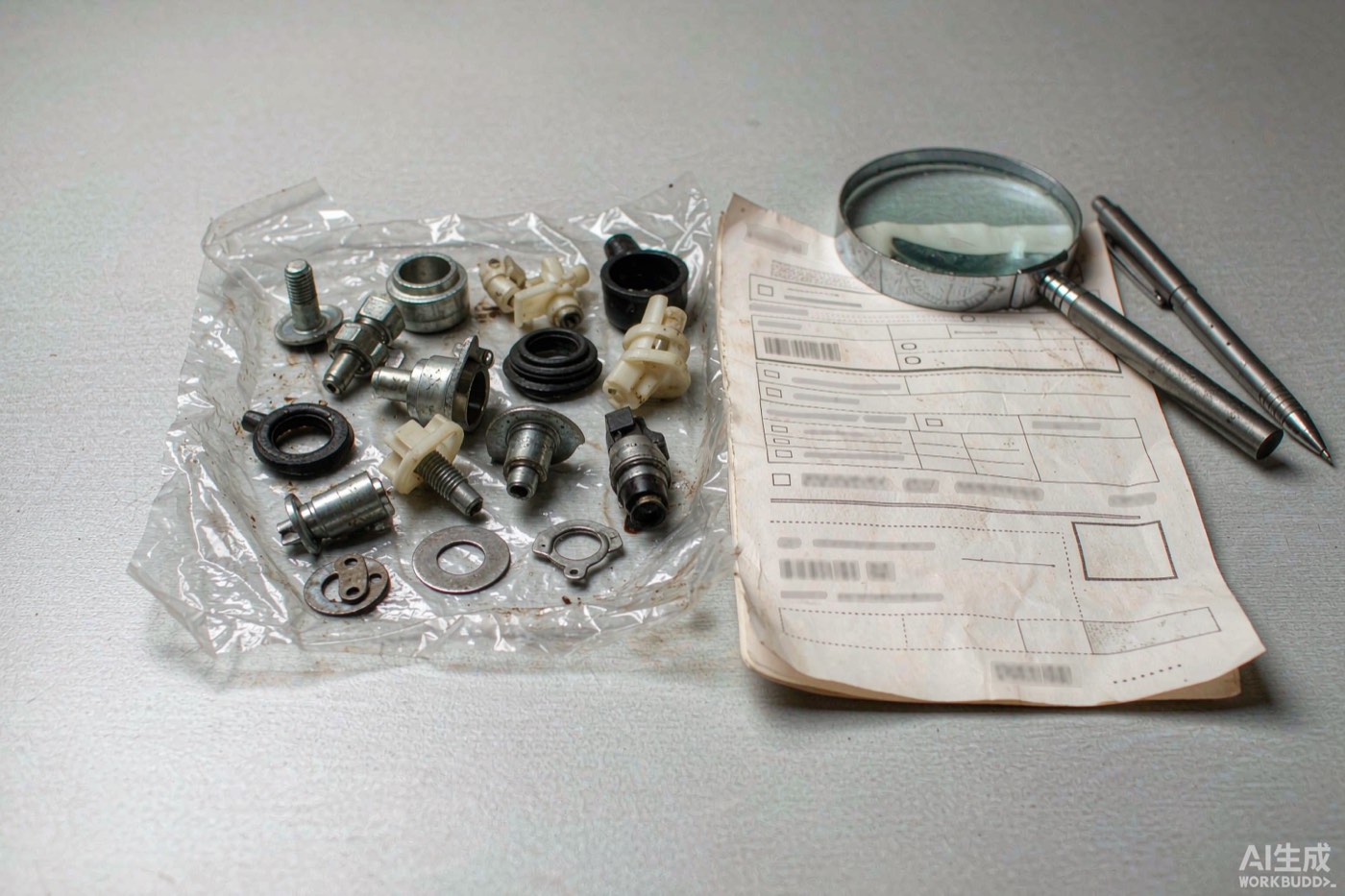 How do you lock an exchange rate, and who carries it?An exchange rate is not a market question but a sharing question. Only three wordings work: fixed rate, band, or a split
 Which clauses must a purchase contract get right?A contract is not a filled-in template. The CISG does not apply automatically in Nigeria, Kenya, Ghana, Tanzania or Sene
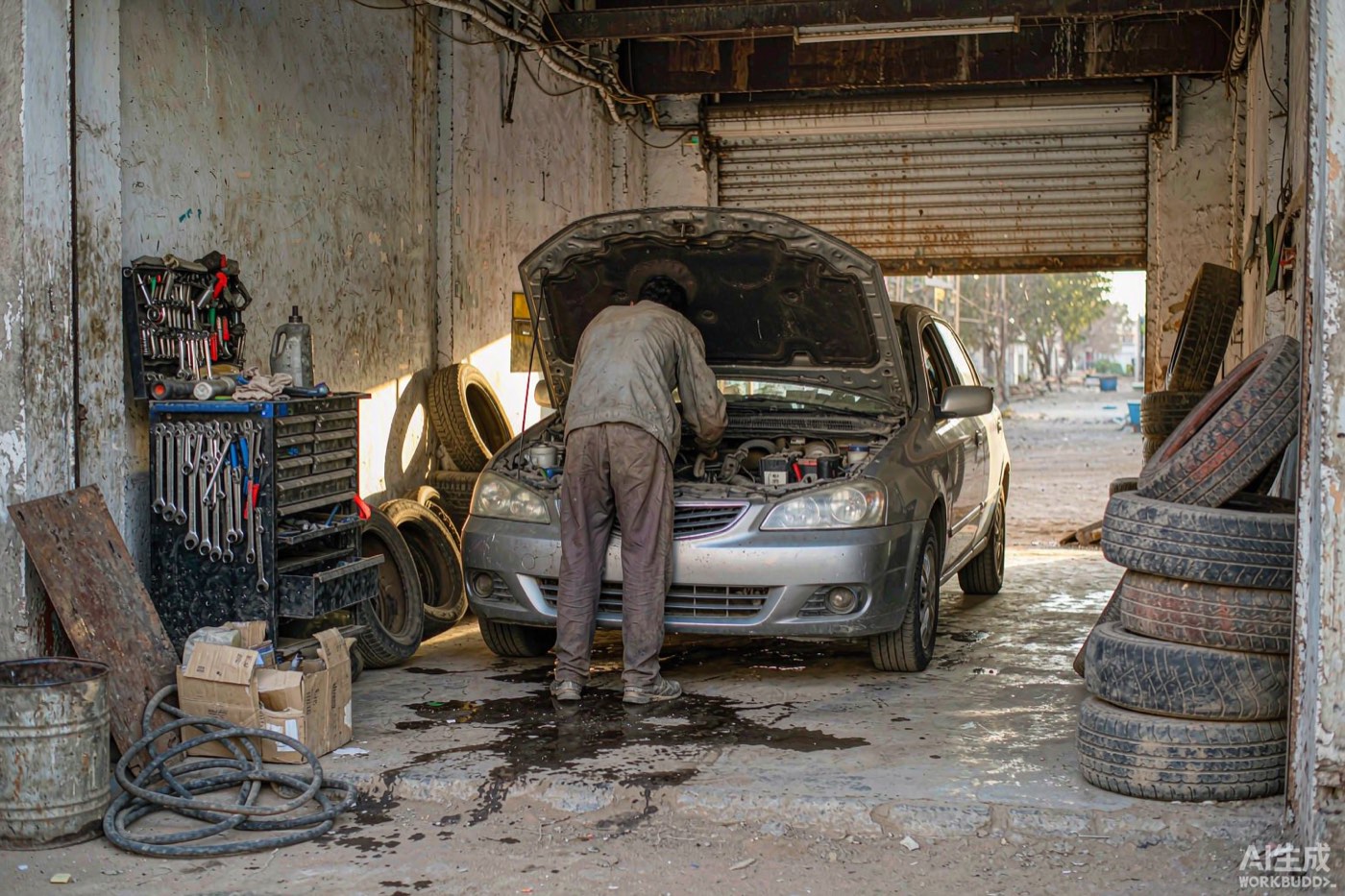 The car has arrived — how do you register it? What paperwork is neededRegistration is not the last step; it is the acceptance check on duty, admission and local inspection. Ghana's DVLA, Ken
Message us on WhatsApp for the latest prices and delivery to your country.
WhatsApp us