
Jordan changed its import tax in 2025, and not the way most markets did: instead of three separate charges for customs duty, general sales tax and special tax, it merged them into one total rate set by fuel type. The rate fell and the arithmetic got simpler, but admission rules tightened at the same time, so keep the two apart.
Petrol fell from 71% to 51%, hybrid from 60% to 39%, and electric, once banded by value up to 55%, is now a flat 27%. That is a real cut, but it is not the whole cost: assessment, freight, testing and clearance remain. Working backwards from the rate to a car price will undershoot.
Tax runs on the customs-assessed value. Customs sets that value by year, make, model and engine size, does not read the sale invoice, and an understated invoice does not move it. This track is about money.
The certificate runs through JSMO. An imported passenger car must meet one of four technical regulations, European, American, GCC or Saudi, and conformity proof is completed before loading. This track is about whether the car may enter at all. The tracks are independent: a correct tax calculation does not help a car without the certificate.
Used cars have no separate tax on this track. The three fuel brackets apply as they are, and the difference falls on admission: age, accident history, testing.
Before ordering you can start with the on-site import duty calculator (/en/duty-calculator), estimate a range by fuel type and assessed value, then have the broker check it against the tariff in force.
From 1 November 2025 every used car must enter the Zarqa Free Zone for testing and clearance; without that route it cannot be registered. Inside the zone cars can be stored duty-suspended, reconditioned and displayed, with tax paid when the car is sold, cleared or re-exported, which is the channel used for transit to Iraq and Syria. How long a car may stay is set by the zone's rules in force, and we do not fix a number.
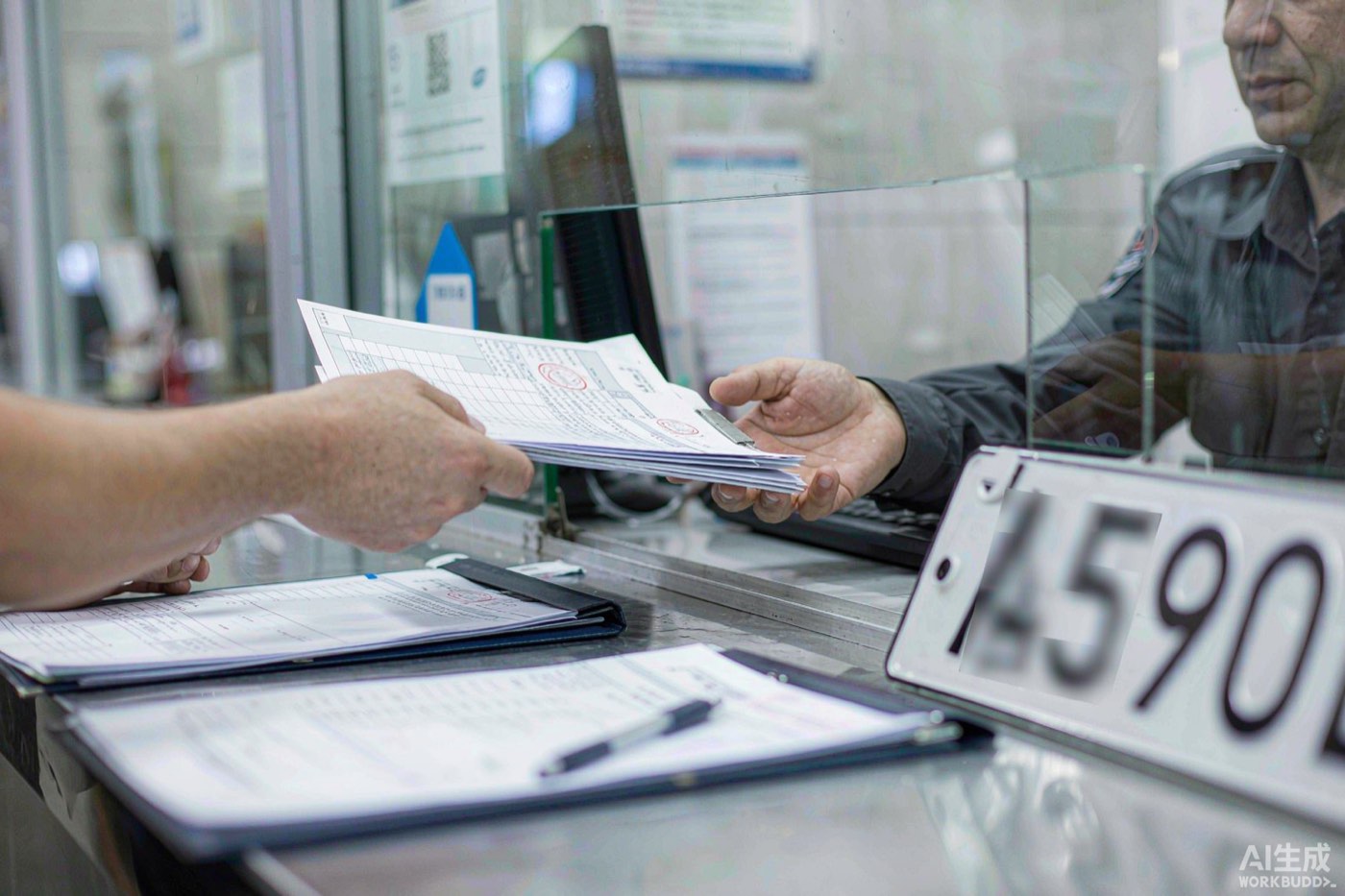 Can you train our technicians to repair the cars?Method yes, authority no. Service standards, fault diagnosis, lifting and disassembly, torque values and PDI can be taug
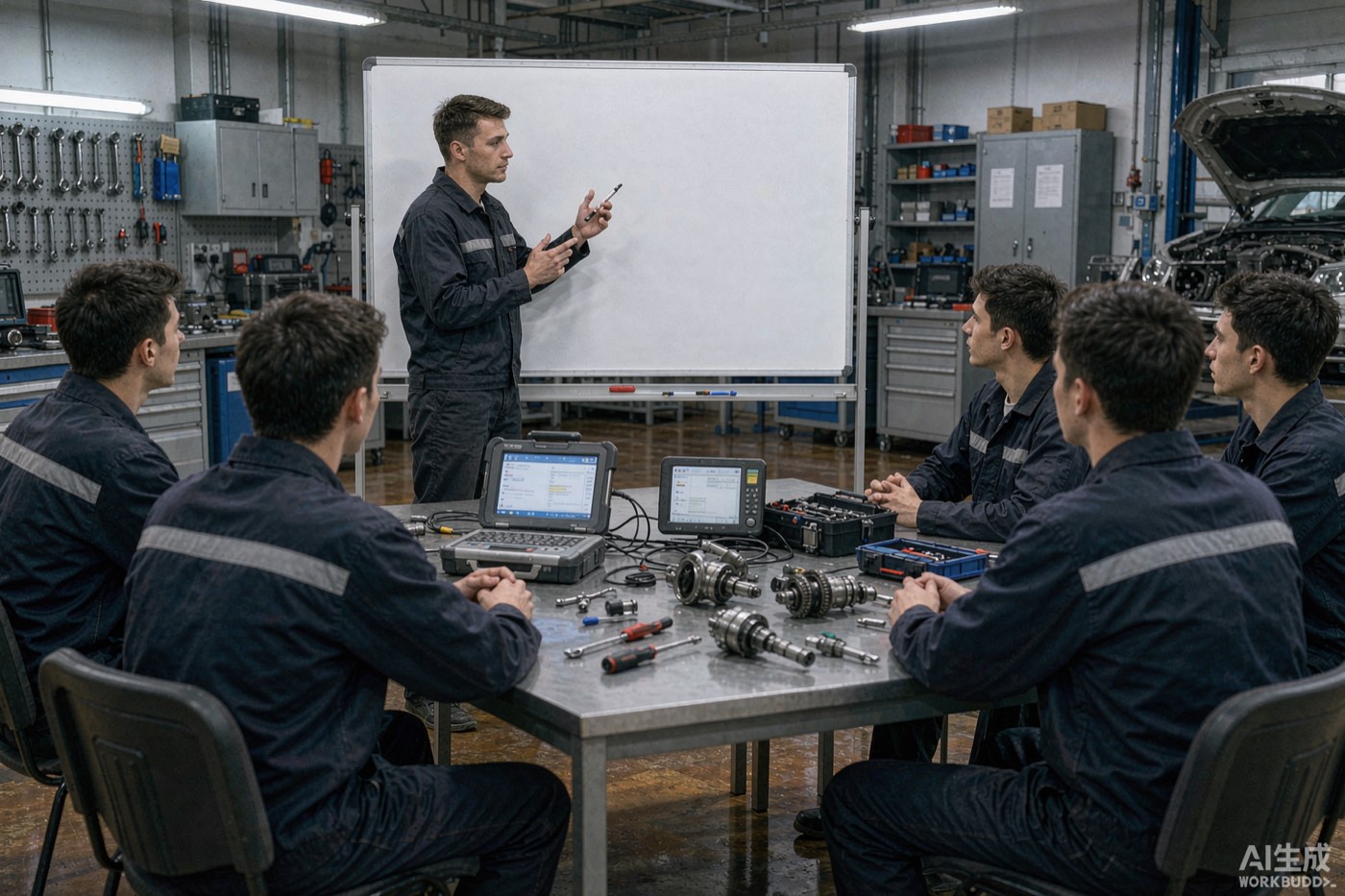 Is it hard to repair a Chinese car in Africa?The hard part is not the repair but finding a licensed workshop and waiting for dedicated parts. Kenya requires a KG lic
 How do you lock an exchange rate, and who carries it?An exchange rate is not a market question but a sharing question. Only three wordings work: fixed rate, band, or a split
 Which clauses must a purchase contract get right?A contract is not a filled-in template. The CISG does not apply automatically in Nigeria, Kenya, Ghana, Tanzania or Sene
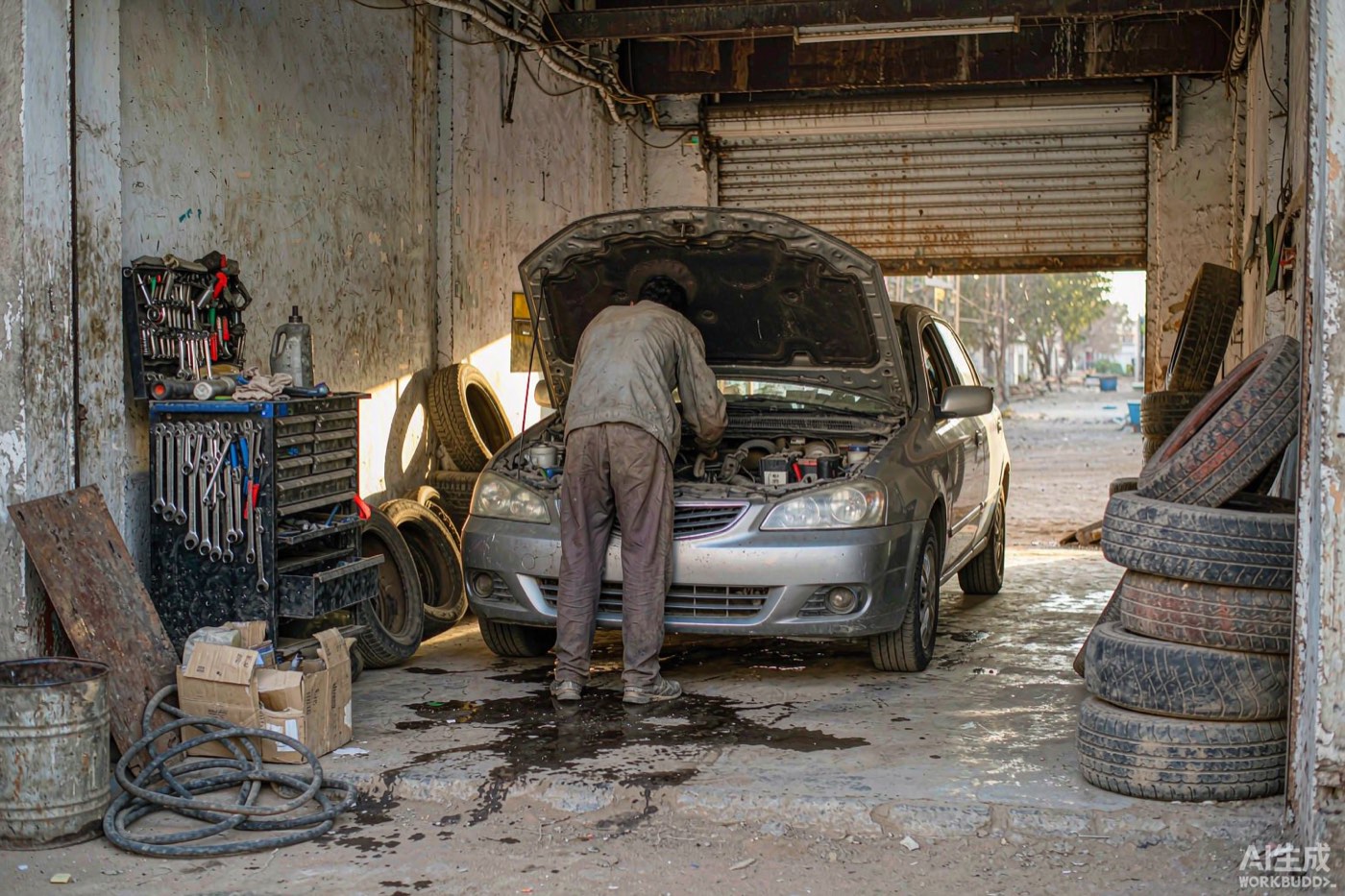 The car has arrived — how do you register it? What paperwork is neededRegistration is not the last step; it is the acceptance check on duty, admission and local inspection. Ghana's DVLA, Ken
Message us on WhatsApp for the latest prices and delivery to your country.
WhatsApp us