Shipping spare parts is a classification and paperwork exercise as much as a freight one. The HS code sets the duty and the rebate; the Incoterm sets who carries risk and cost; the container choice sets the economics. This page explains the terms we quote so there are no surprises at the port. We provide the HS code and declaration elements per item to support customs valuation at destination.
Most parts fall under HS 8708, for example 8708.30 brakes, 8708.40 transmissions and 8708.80 suspension. Many subheadings qualify for a 13 percent VAT rebate. Incoterms are FOB, CIF and EXW, paid by T/T or letter of credit. Around 15 cubic metres is the break point between LCL and FCL, and LCL cut-off is typically five to seven days earlier.
Parts fall mainly under HS 8708, parts and accessories for motor vehicles. Examples we use daily are 8708.30 for brakes, 8708.40 for transmissions and 8708.80 for suspension, with further subheadings for body, electrical and other systems. Correct classification matters because most subheadings in that chapter qualify for a 13 percent export VAT rebate, subject to the rate in force at the time of declaration.
The rebate does not change your purchase price directly, but correct classification affects our cost structure, which benefits both sides. We supply the corresponding HS code and declaration elements per item so your broker can value the goods cleanly at destination and claim any applicable preference.
We quote on FOB, CIF or EXW; the term must be stated in the order because an unstated term is a common source of dispute in practice. Minimum order quantity depends on the category, and fast-moving maintenance parts are friendly to small quantities, which suits trial orders and replenishment. Samples are available, with sample charges agreed per order.
Lead time is normally seven to thirty days, and urgent orders are negotiable. Stating the Incoterm and the MOQ clearly up front keeps the quotation and the contract aligned, and it lets us reserve the right container space before peak-season cutoff.
The common economic threshold is around 15 cubic metres. Well below that volume, less-than-container-load is usually cheaper; close to or above it, full-container-load is more economical. The break point shifts with freight rates, so for borderline volumes we compare both quotes. LCL also incurs consolidation charges at both ends, and its cut-off is typically five to seven days earlier than FCL, which affects the sailing you can catch.
Container sizes run from about 25 to 28 CBM for a 20-foot general purpose, 55 to 60 for a 40-foot, and 67 to 72 for a 40-foot high cube. We advise on the actual volume and route in the quotation so the choice is made on real numbers.
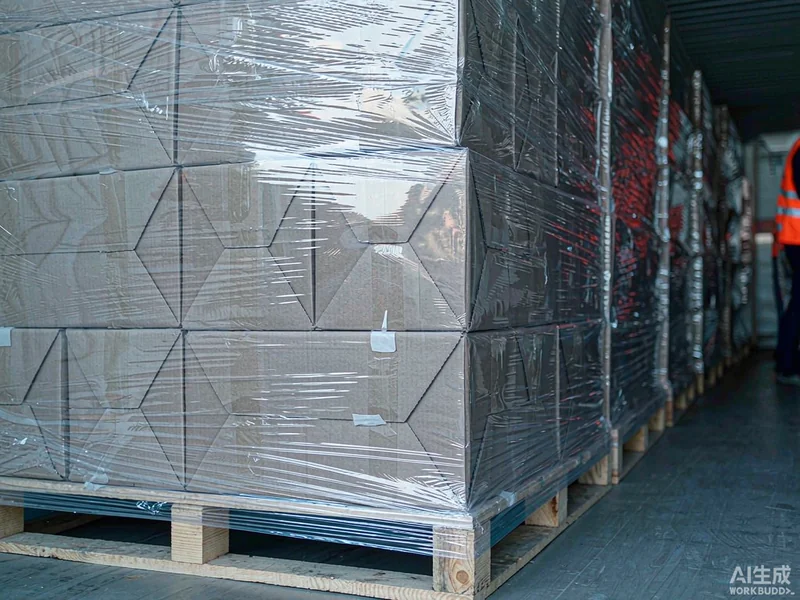
Packaging is single-unit, bulk or branded, properly protected for the part. Solid wood pallets and crates must comply with ISPM 15 and carry the IPPC mark as specified, or they can be refused at the destination. Dangerous goods need the right declaration: airbags and pretensioners are UN3268, Class 9, and lithium batteries require a UN38.3 test summary and a safety data sheet.
Getting these details right before the container is booked avoids the most expensive failures, which are the ones discovered at the destination port after the goods have already sailed.
HS 8708, parts and accessories for motor vehicles, with subheadings such as 8708.30 brakes, 8708.40 transmissions and 8708.80 suspension. We give the exact code per item.
Most subheadings under HS 8708 qualify, but the rate in force at the time of declaration applies. We confirm the current rate and classify correctly so the rebate is properly supported.
Around 15 CBM is the usual break point, though it moves with freight. Below it LCL usually wins; at or above it FCL usually wins. For borderline volumes we quote both.
LCL is consolidated at a container freight station at both ends, which adds handling time. Its cut-off is typically five to seven days earlier than FCL, so it catches an earlier sailing.
Airbags and pretensioners are UN3268, Class 9. Lithium batteries need a UN38.3 test summary and a safety data sheet. We prepare these declarations before booking.
Yes. We work with T/T and letters of credit, and for higher-risk markets a sight or confirmed L/C is a common, safer arrangement agreed in the order.
Share quantities and destination; we will quote HS code, Incoterm and container option.
WhatsApp